From 6–12 September 2025, the diving safari “North & Tiran with Marine Biology” took place on the vessel My Destiny.

My Destiny. The trip was accompanied by marine biologist and underwater photographer Stephan Moldzio. The route led from Hurghada to the most spectacular dive sites of the northern Red Sea all the way to the Strait of Tiran. On the return journey, several exciting wrecks were on the schedule, such as the world-famous Thistlegorm, as well as the heavily encrusted wrecks of the Carnatic, the Dunraven, and the Kingston.
Arrival went smoothly for all participants: visa issuance and transfer to the ship were excellently organized. During the shared dinner in Hurghada prior to the start of the trip, participants were already able to get to know each other a little.
The ship and the crew
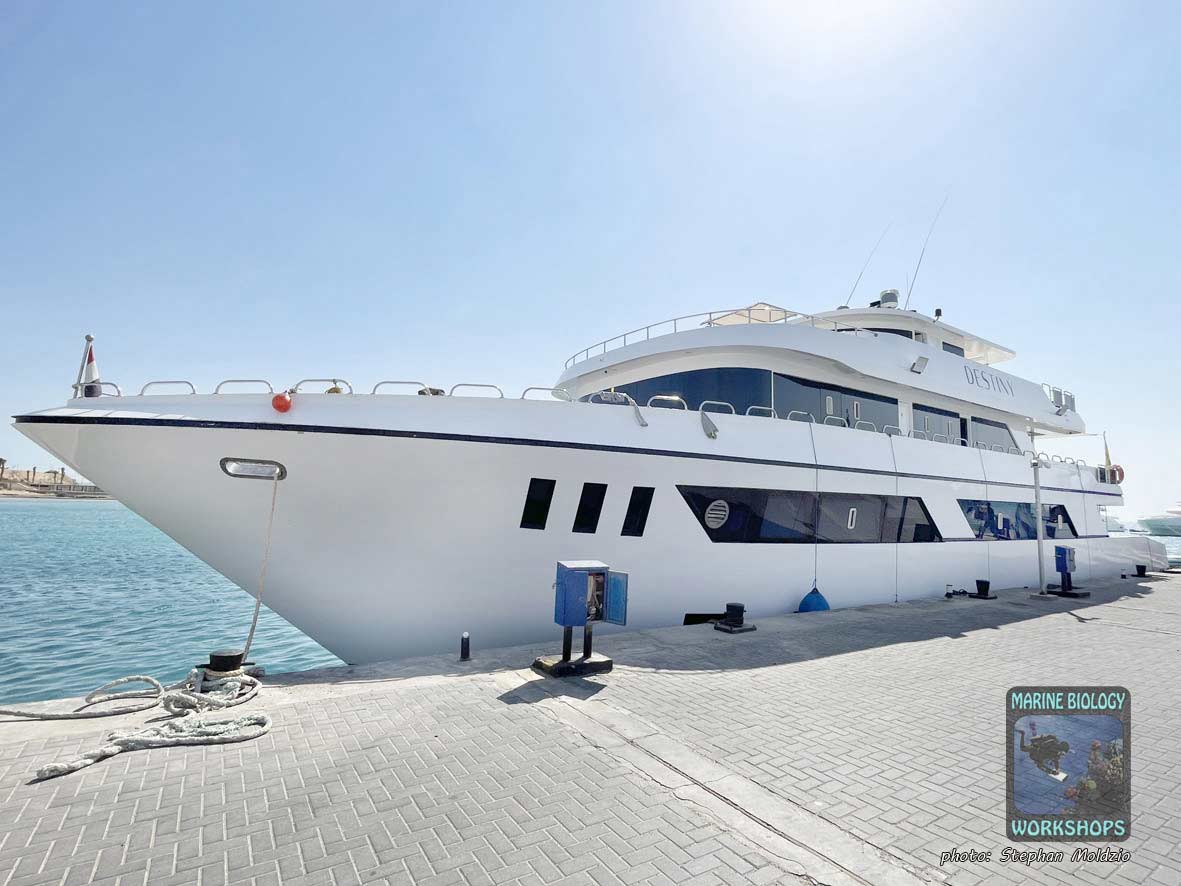
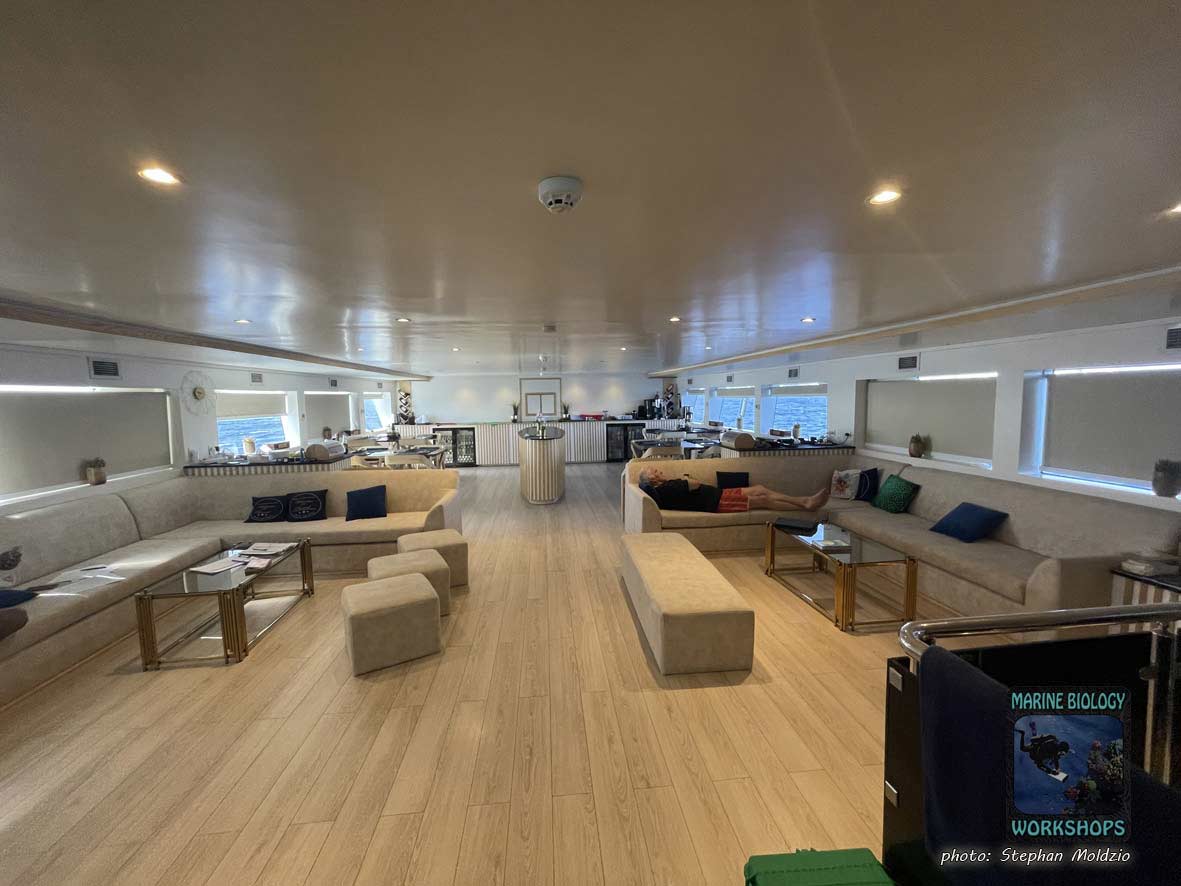
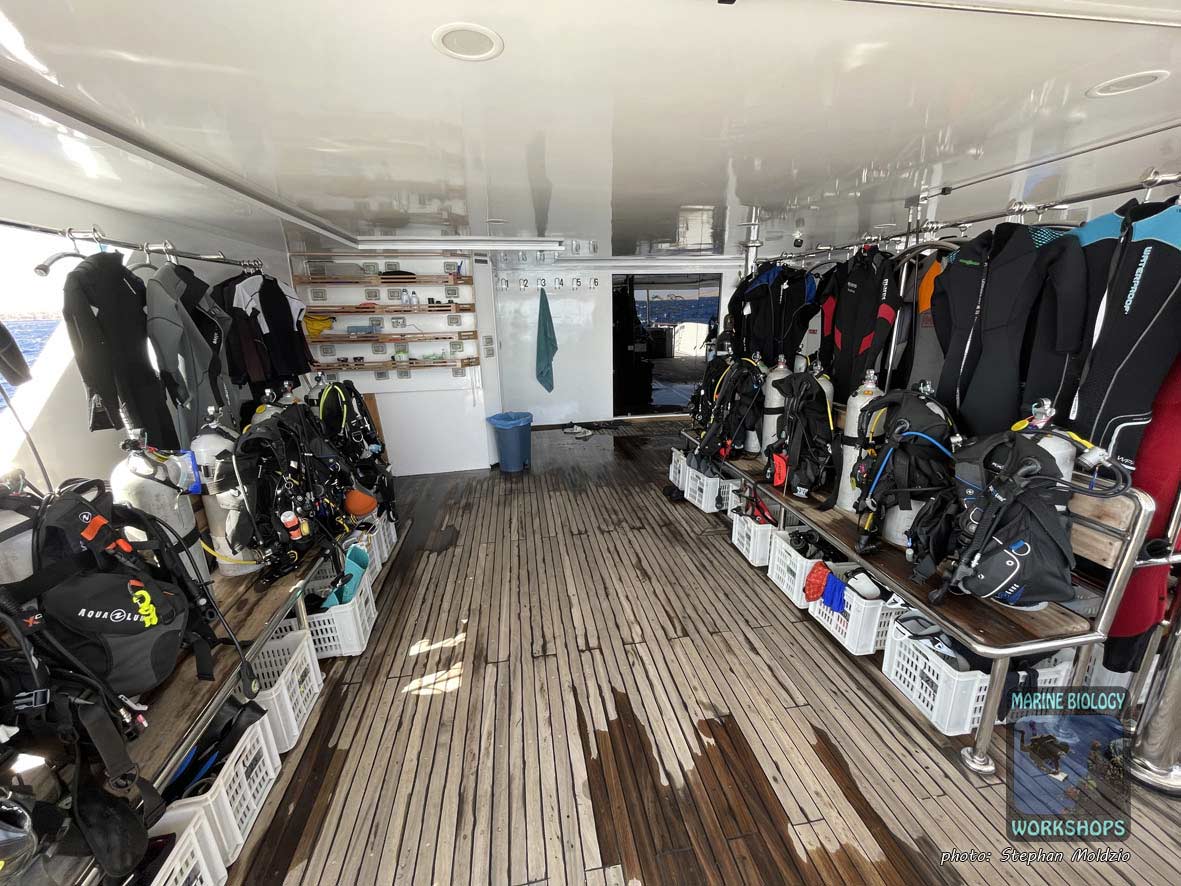
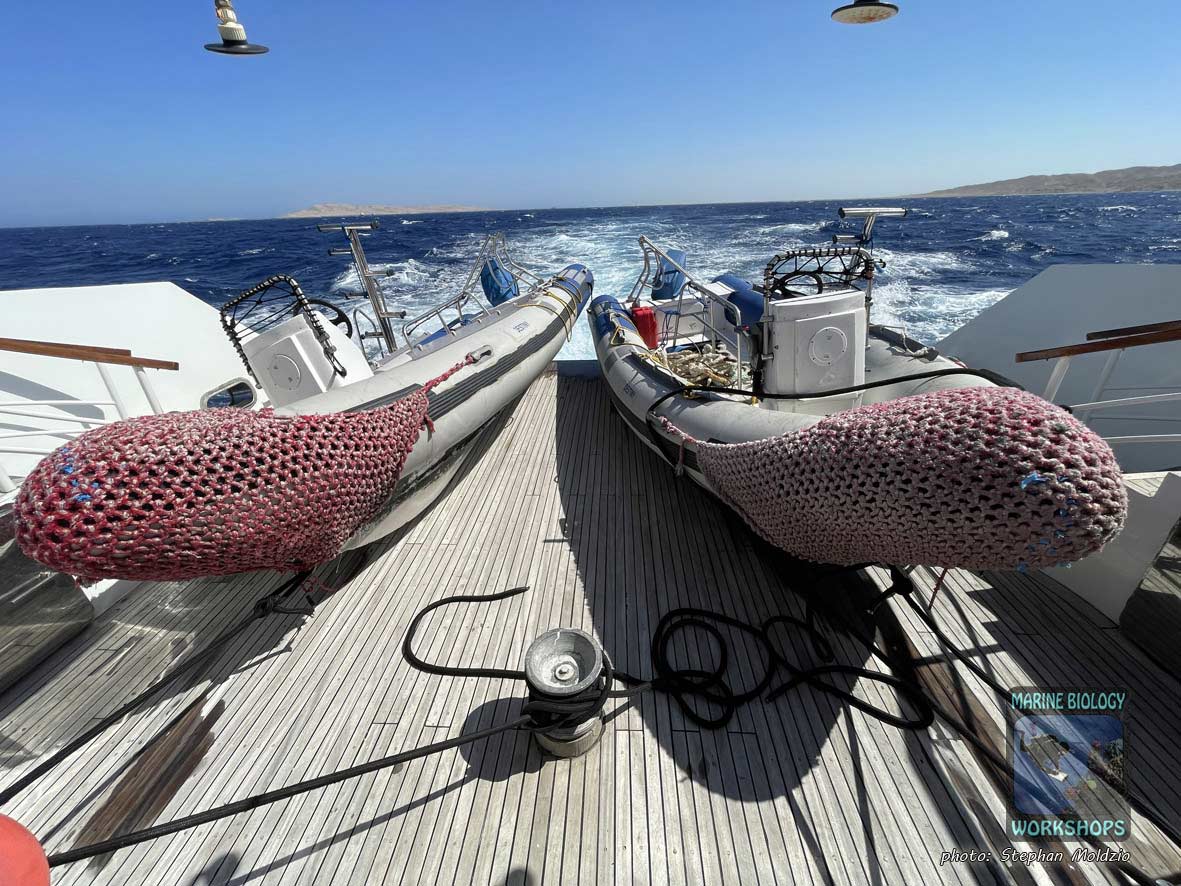
The MY DESTINY is a modern, comfortable steel vessel, built in 2023, and is equipped with extensive safety and emergency gear. This includes modern navigation and communication systems (GPS, radar, echo sounder, satellite phone, ENOS emergency system), as well as two speedboats, life rafts, life jackets, fire extinguishers, and smoke detectors on every deck. For divers, both Nitrox and regular compressed air are available as standard. Naturally, there is oxygen, a defibrillator, and first-aid kits specifically equipped for diving-related emergencies.
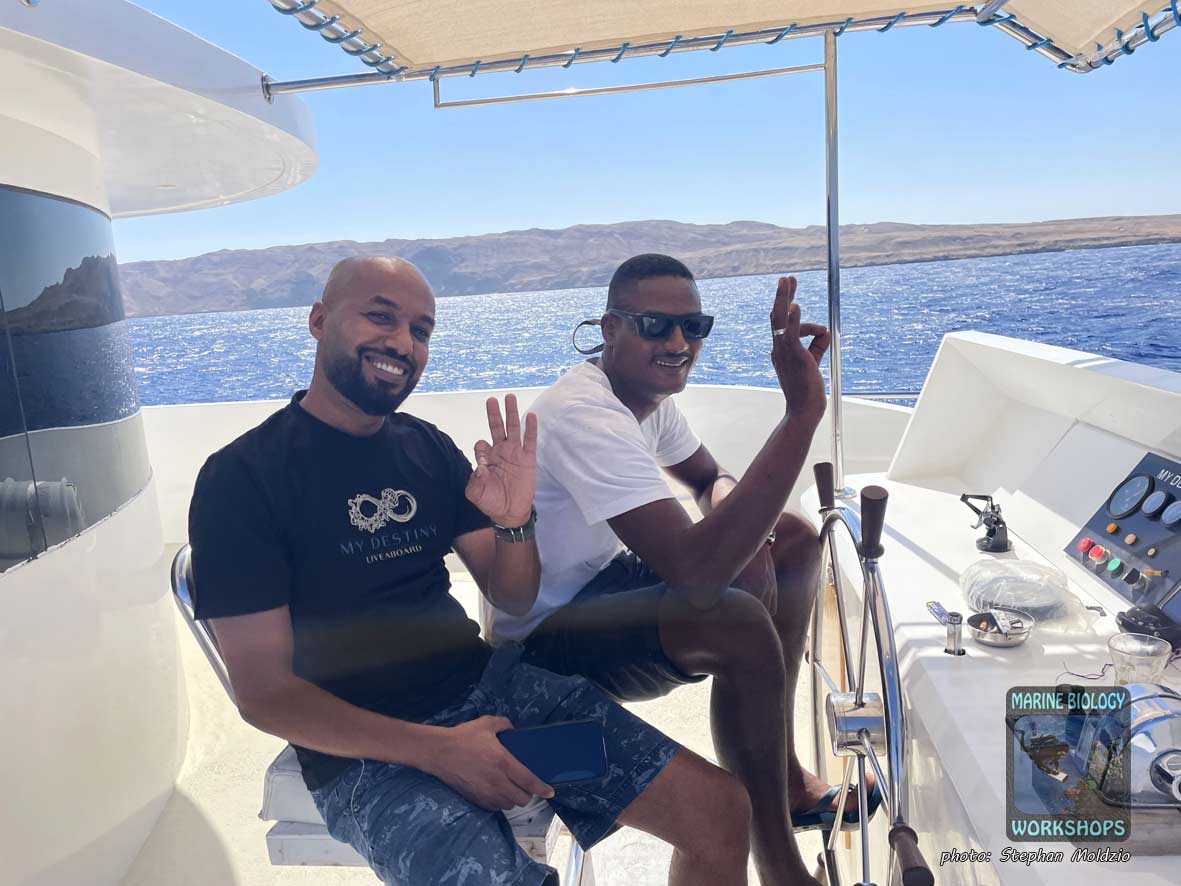
The two experienced guides, Mustafa and Said, provided short, precise briefings and led the group confidently during the dives. They managed the trip and maintained contact with the captain to adjust the exact route and dive sites according to external conditions.
The captain and the ship’s crew navigated us safely to the dive sites. The kitchen team conjured up delicious, healthy meals three times a day — the entire crew was friendly and helpful, ensuring a pleasant and welcoming atmosphere on board.
The participants
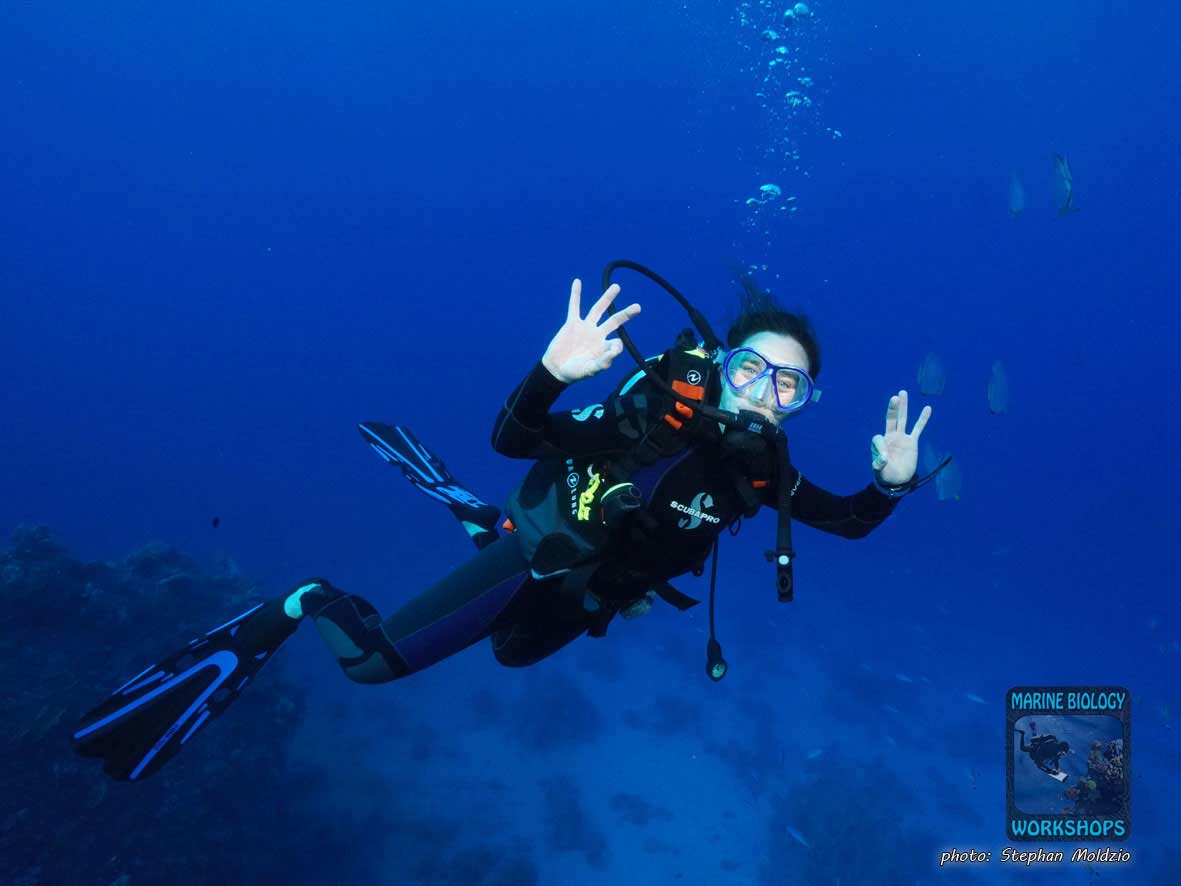
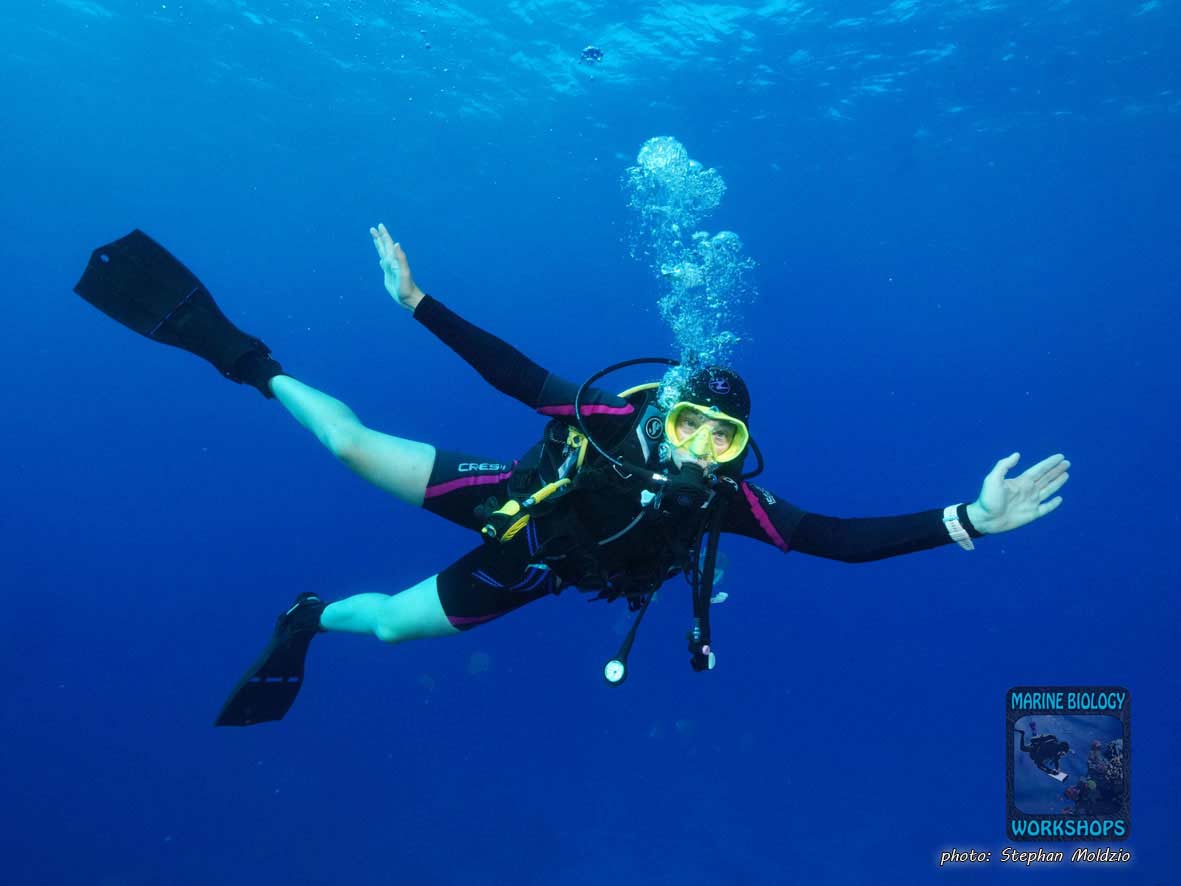
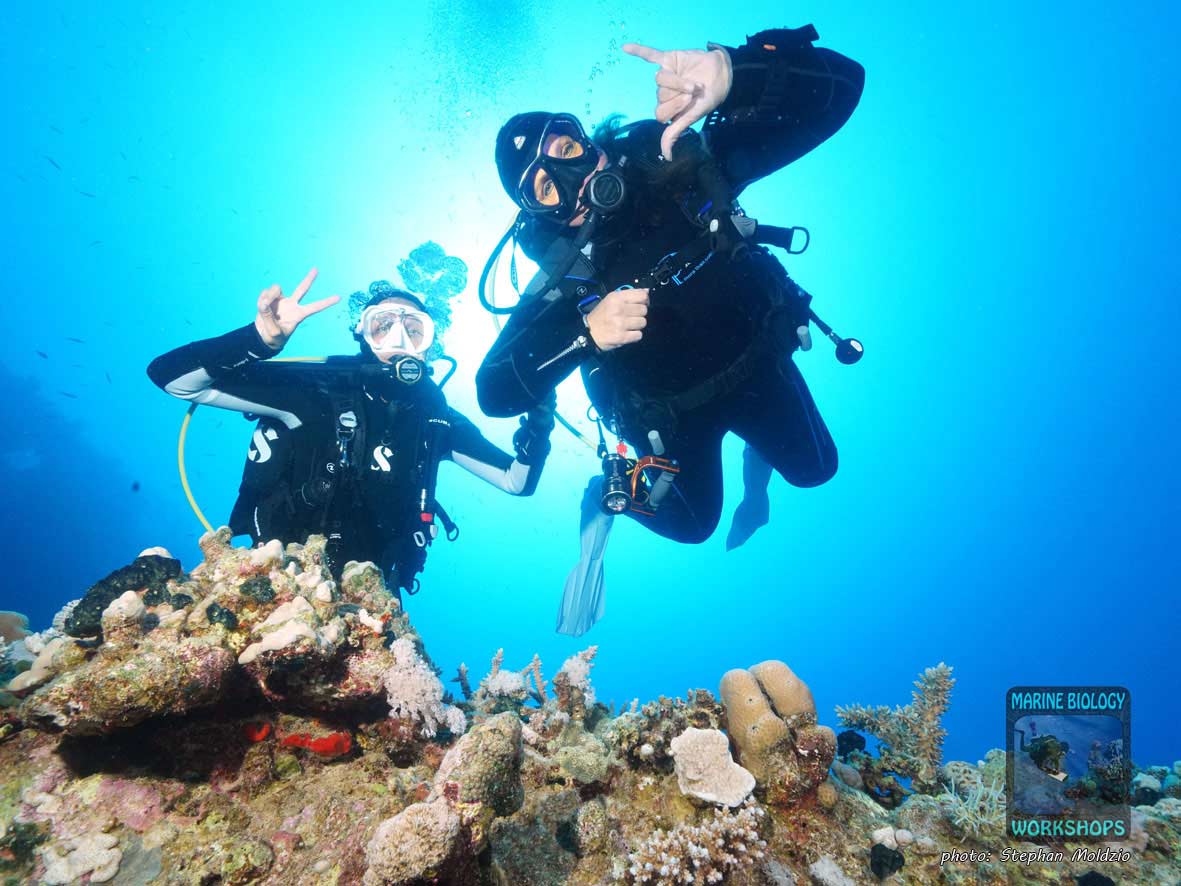
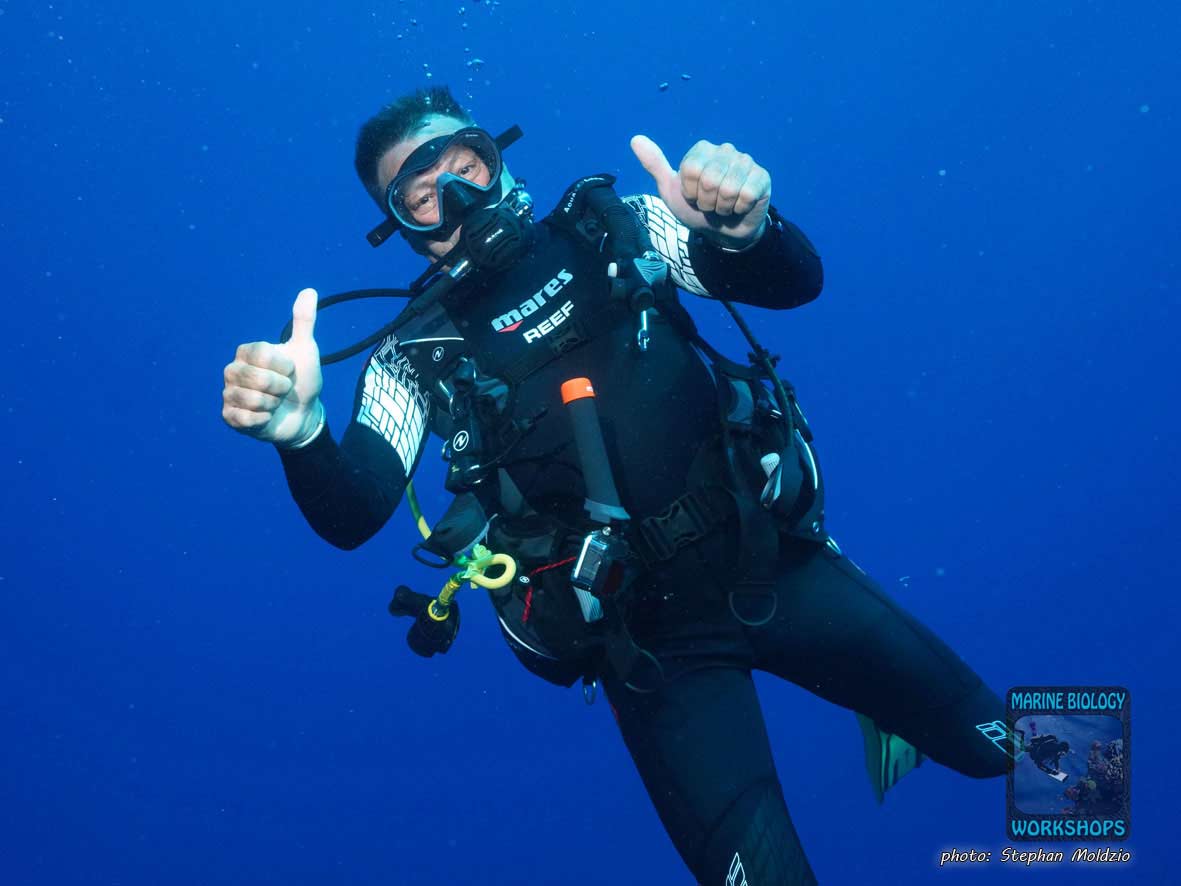
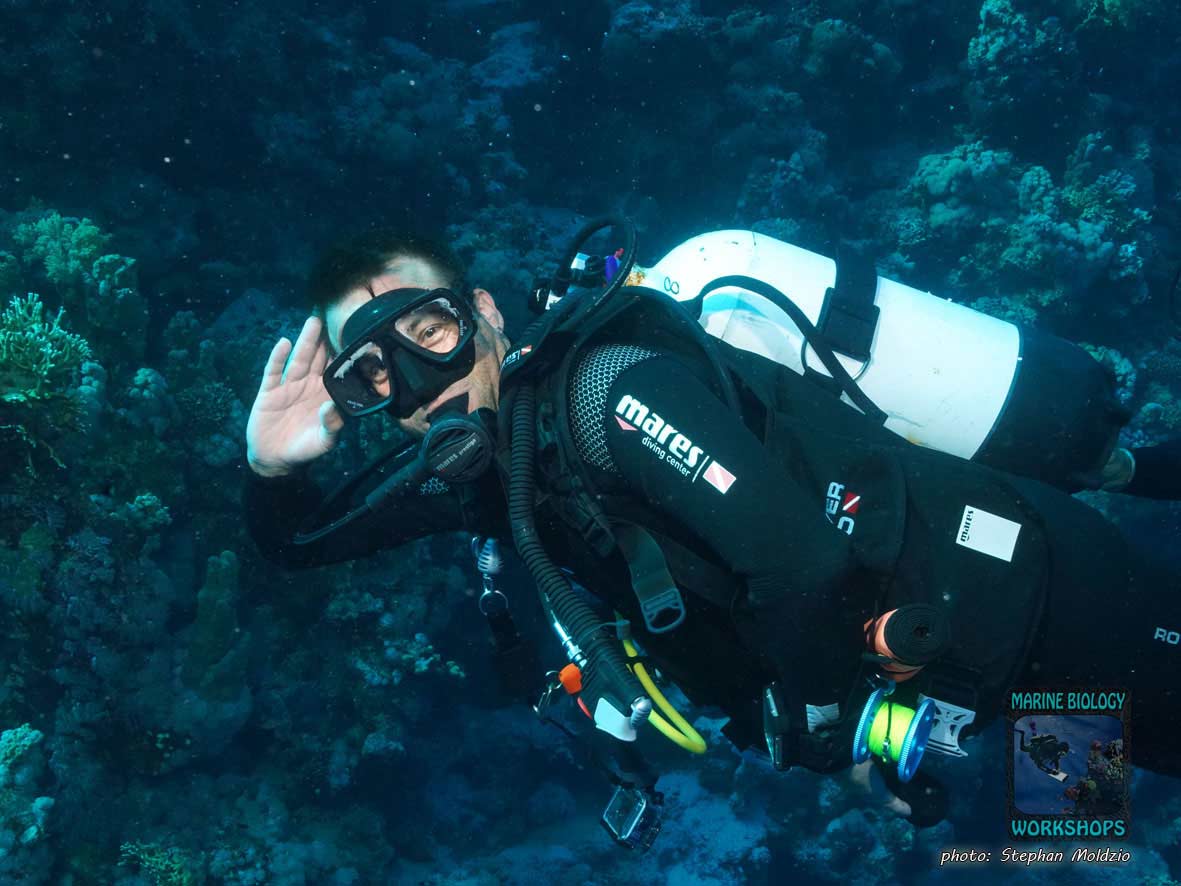
We were a diverse group of divers, ranging from young to old — families, diving friends, and solo travelers. Most participants came from Switzerland, some from Germany, plus our two Egyptian guides, Mustafa and Said.
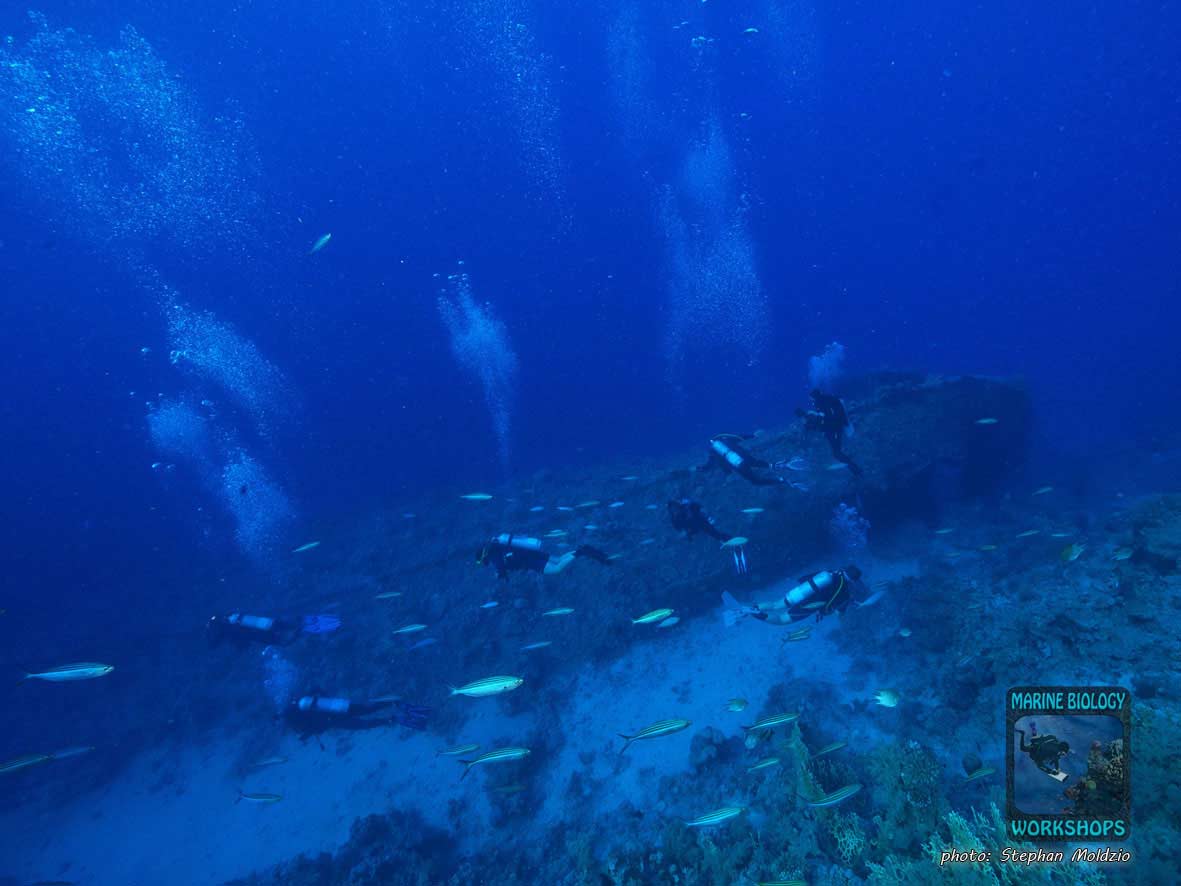
The divers were divided into two clear and manageable groups of seven and eight.
Mustafa and Said always had a complete overview; no one ever got “lost” or anything of the sort.😊
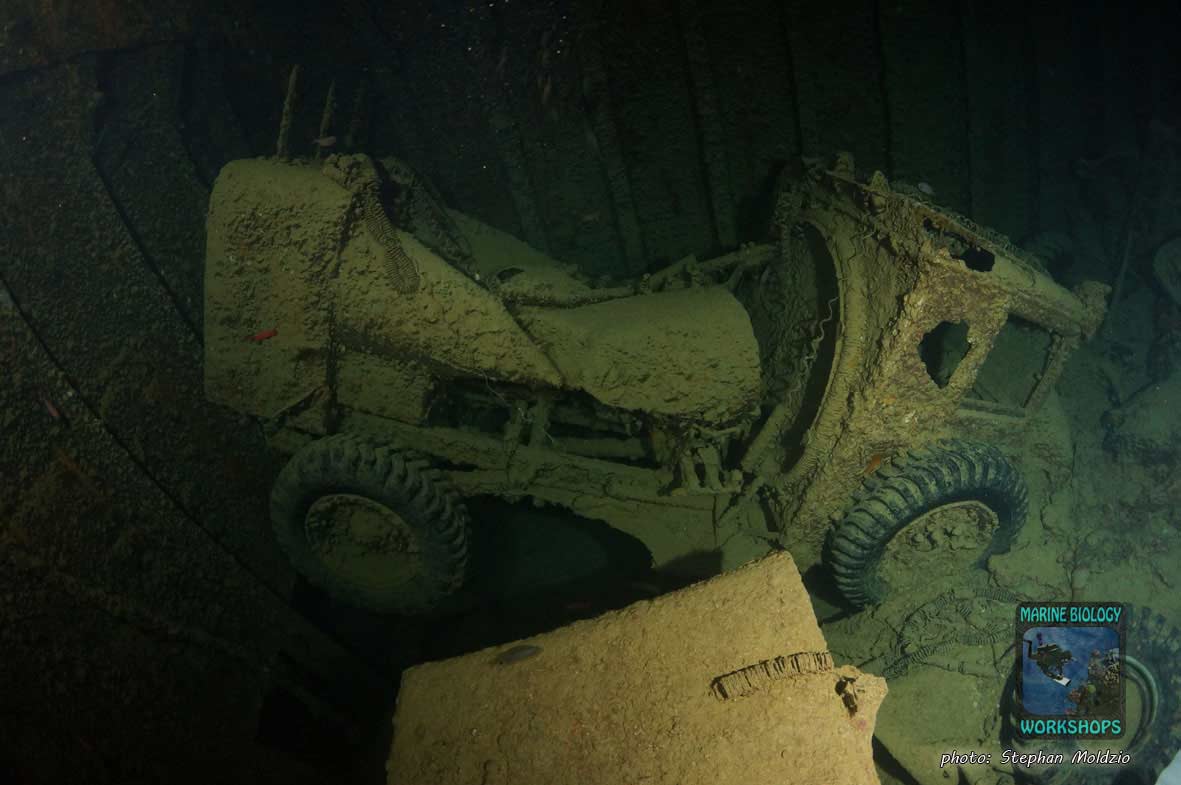
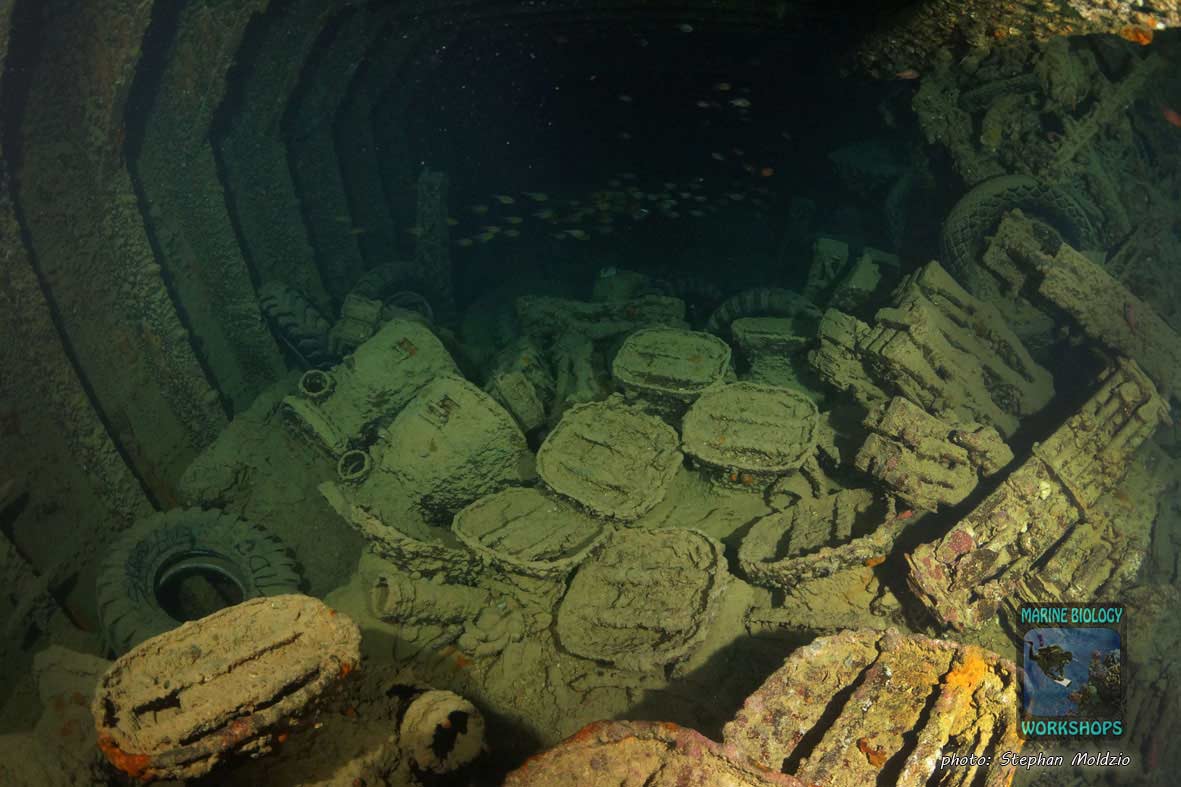
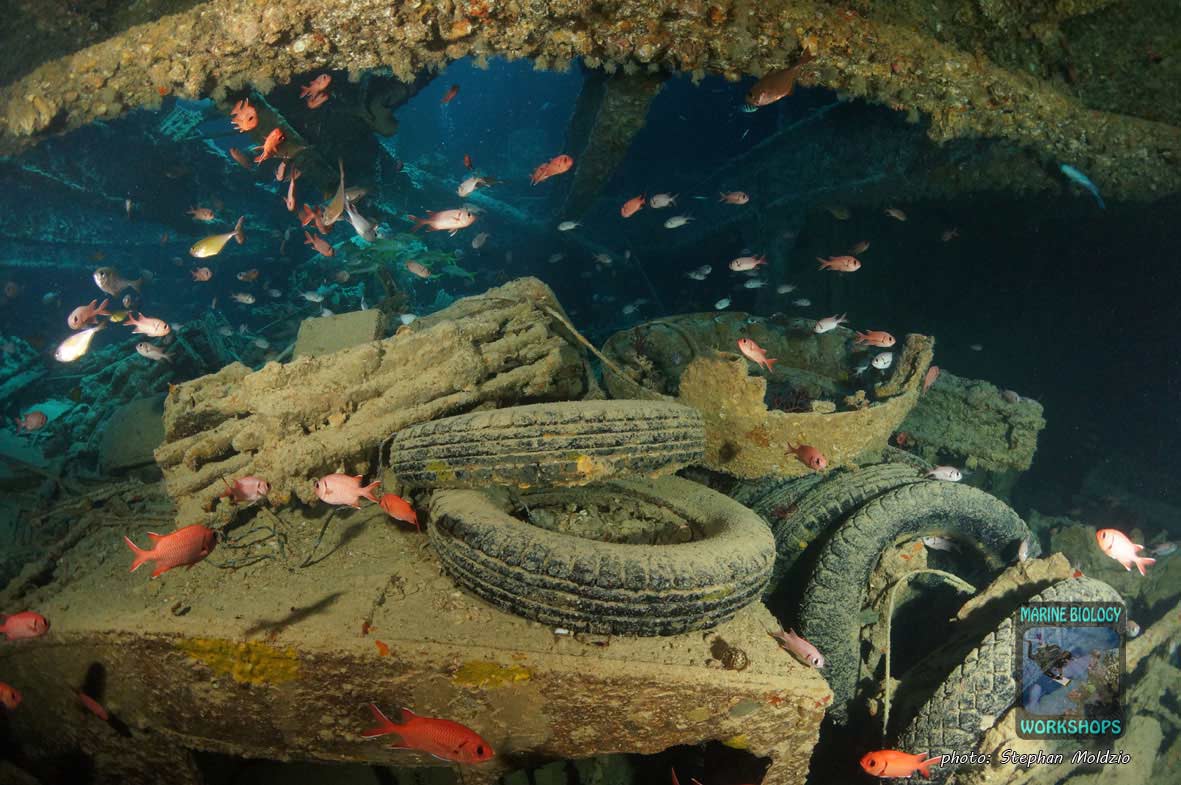
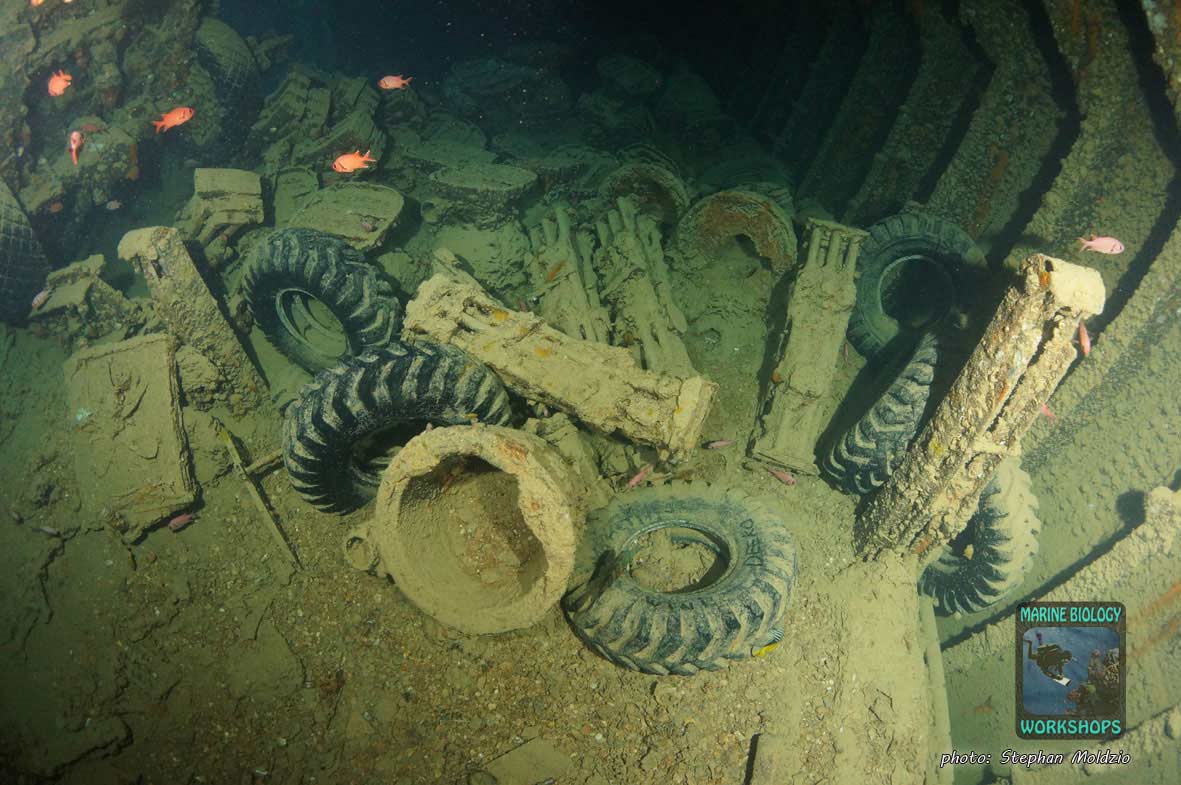
Especially noteworthy are the three dives on and inside the wreck of the SS Thistlegorm, which we penetrated systematically and documented photographically.
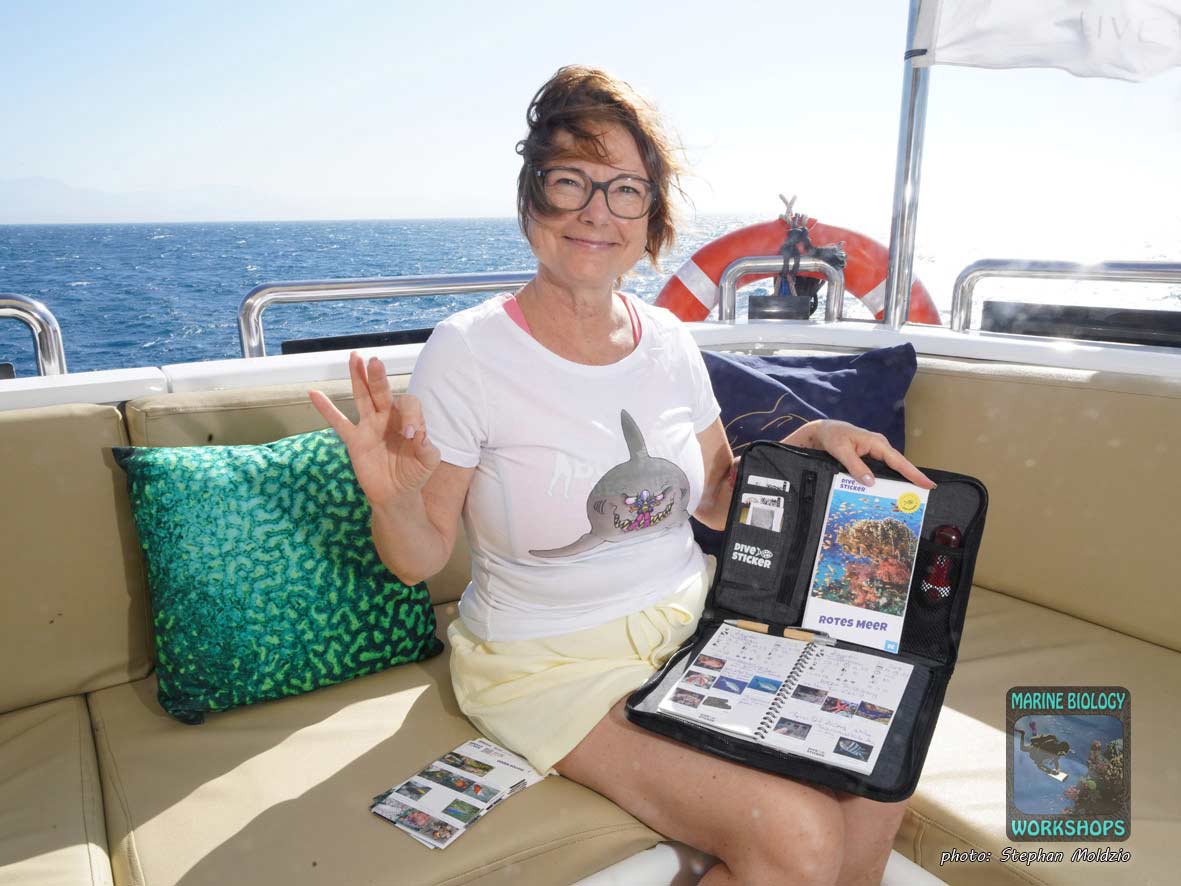
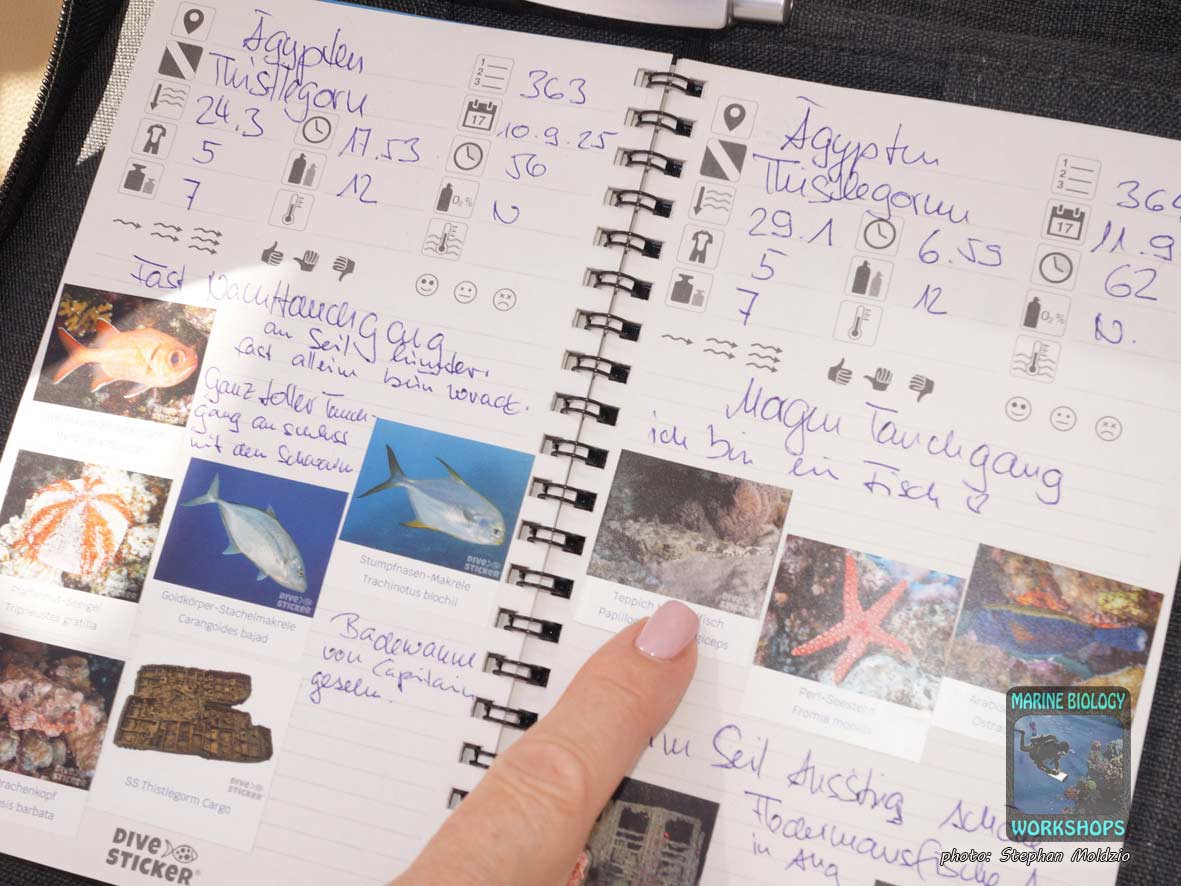
Also joining the trip was Julia from Dive Sticker. She kindly provided each participant with a “Red Sea” sticker set. The idea behind Dive Sticker is that after a dive, you can place small stickers of the marine life you observed into your logbook. This encourages divers to engage more deeply with species identification and, at the same time, results in a beautiful logbook.
Julia and Stephan had previously collaborated on the creation of the “Red Sea” sticker set. Stephan contributed many photos to the total of 288 stickers covering fish, vertebrates, invertebrates, corals, and plants, and selected the most common species with correct scientific identification.




Marine Biology Up Close
At the beginning of the trip, marine biologist Stephan Moldzio presented the planned program to the group. In addition to the evening lectures, he was available to participants at any time for questions — whether at breakfast, lunch, dinner, or between dives in the salon.
Guests were explicitly encouraged to “pepper him with questions” on a wide range of topics, such as fish, invertebrates and corals, coral reef ecology, interesting relationships and interactions, the phenomenon of coral bleaching and the status of coral reefs worldwide, as well as tips on underwater photography.
Underwater Photography
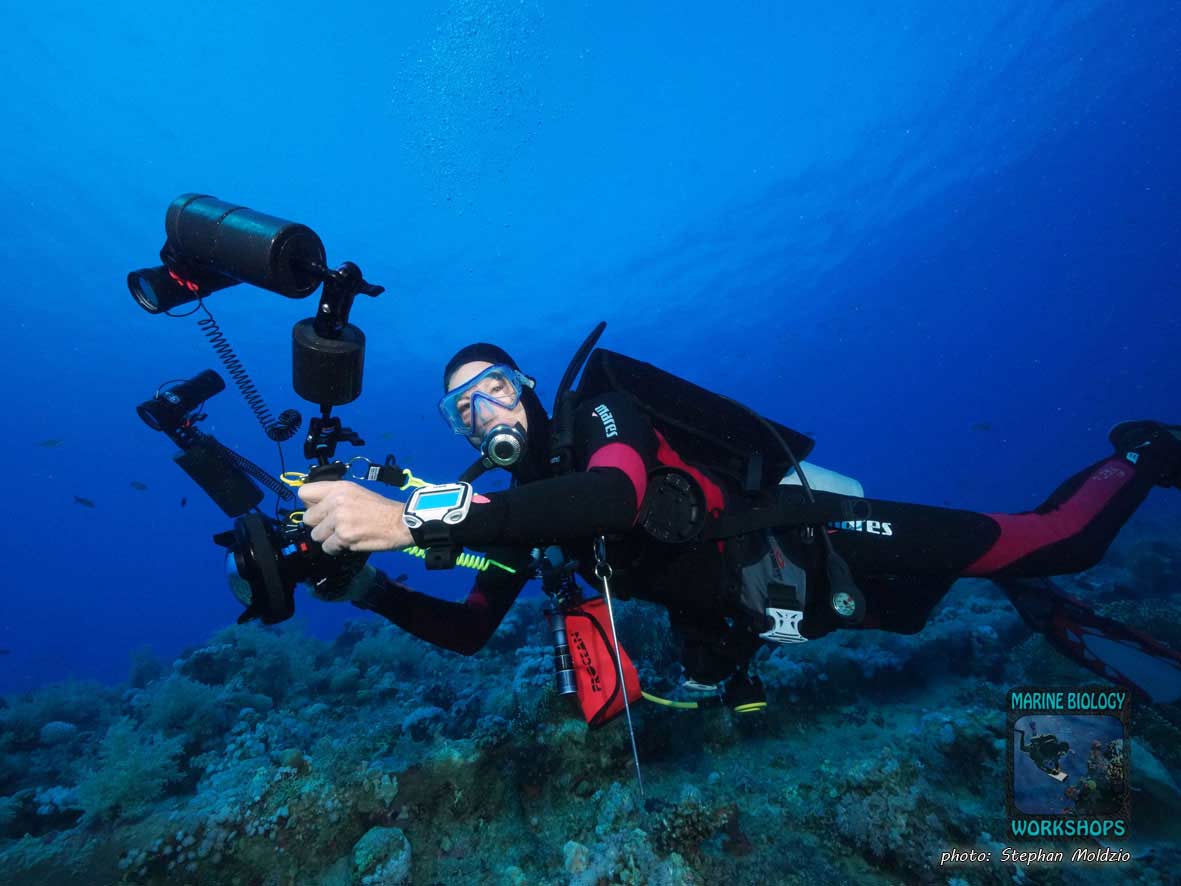
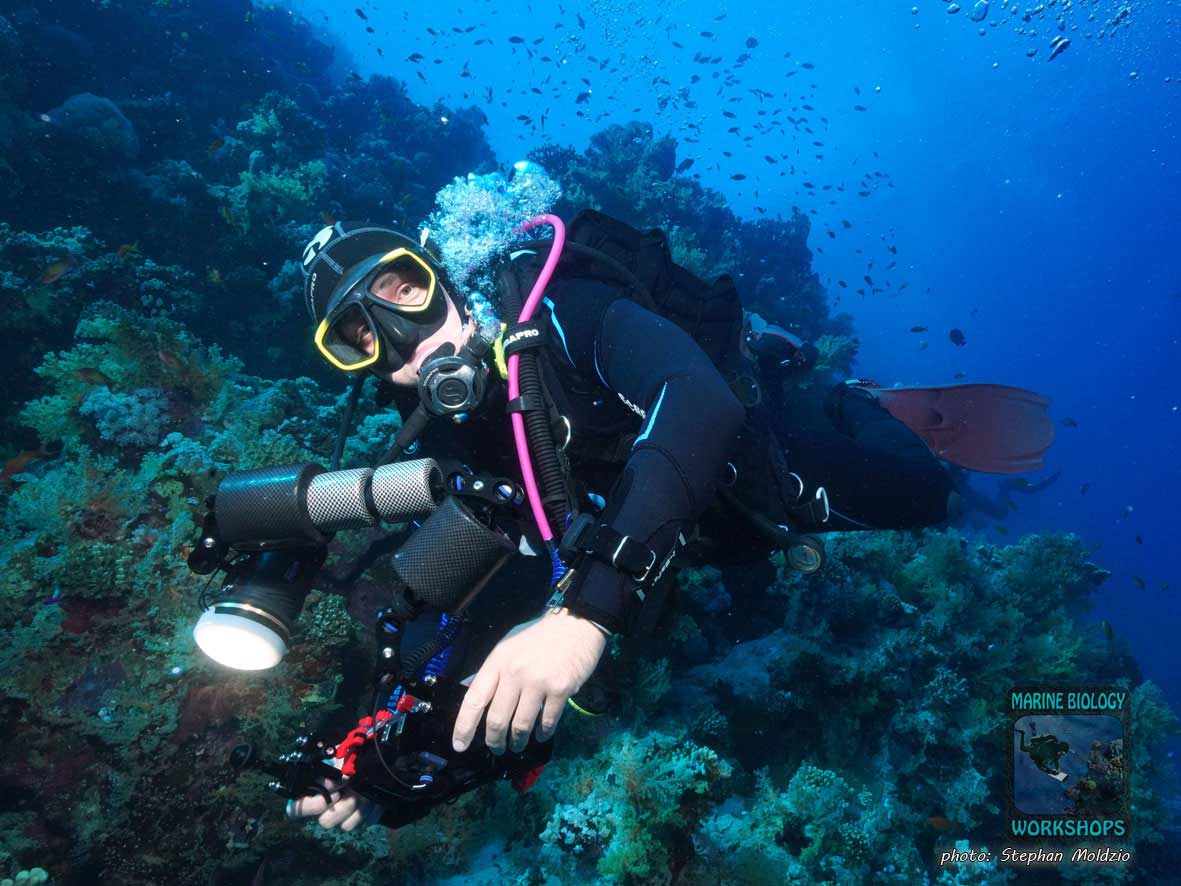
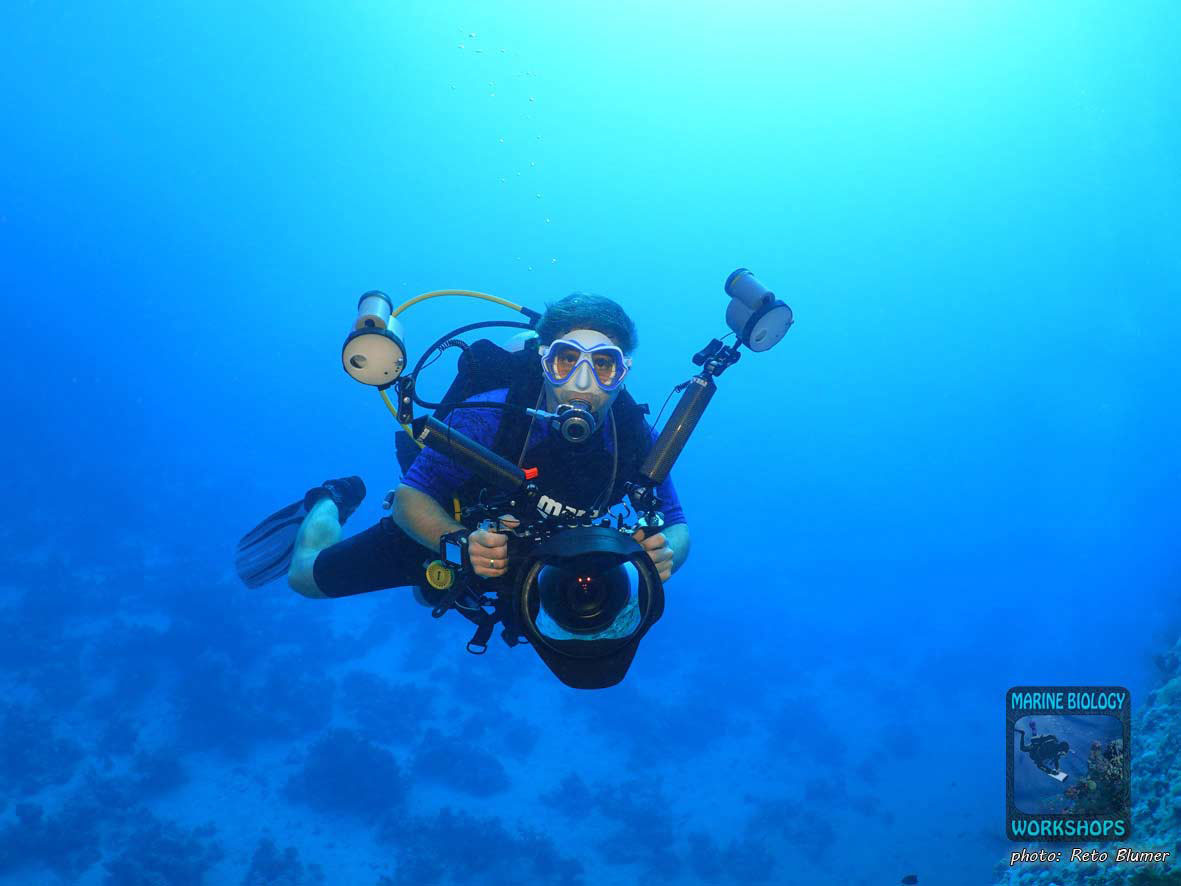
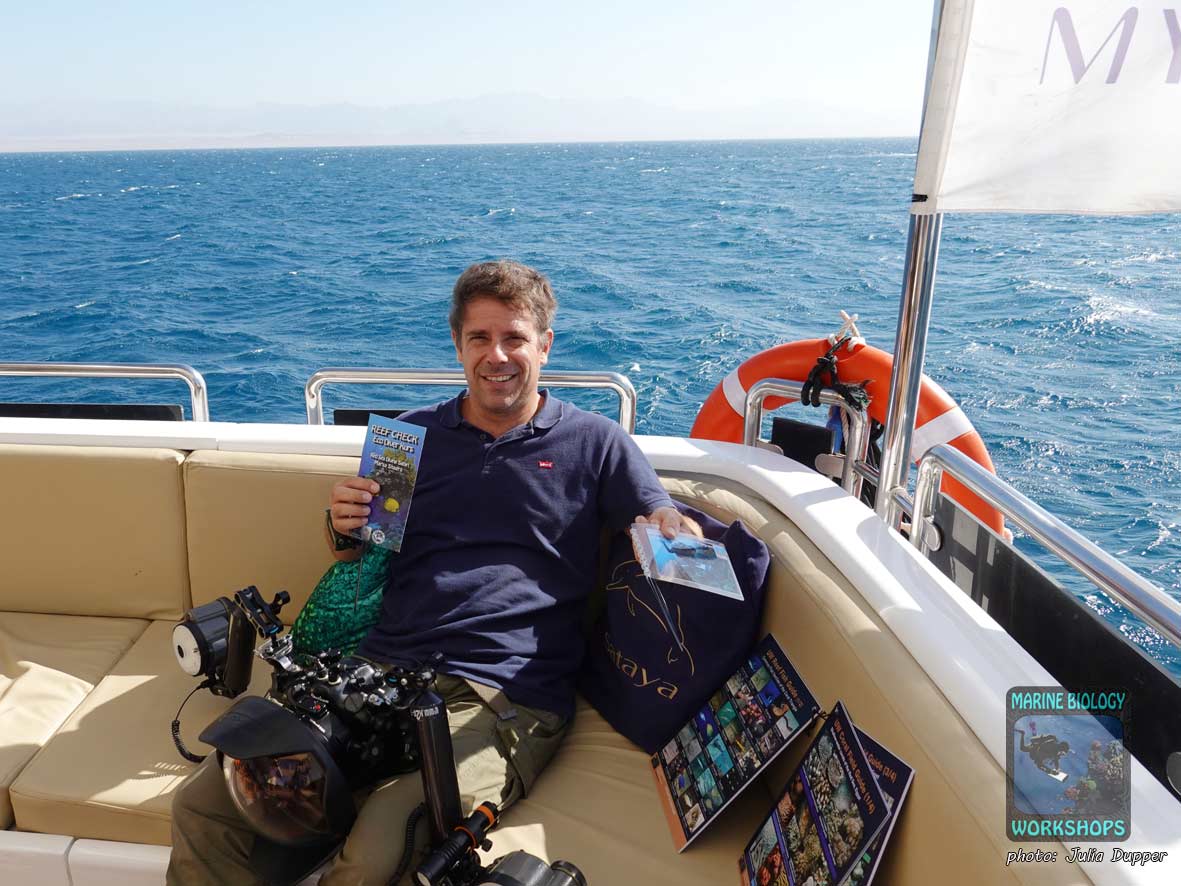
Stephan brought not only his diving equipment but also a microscope and sampling accessories, identification literature, a notebook, and two underwater cameras.
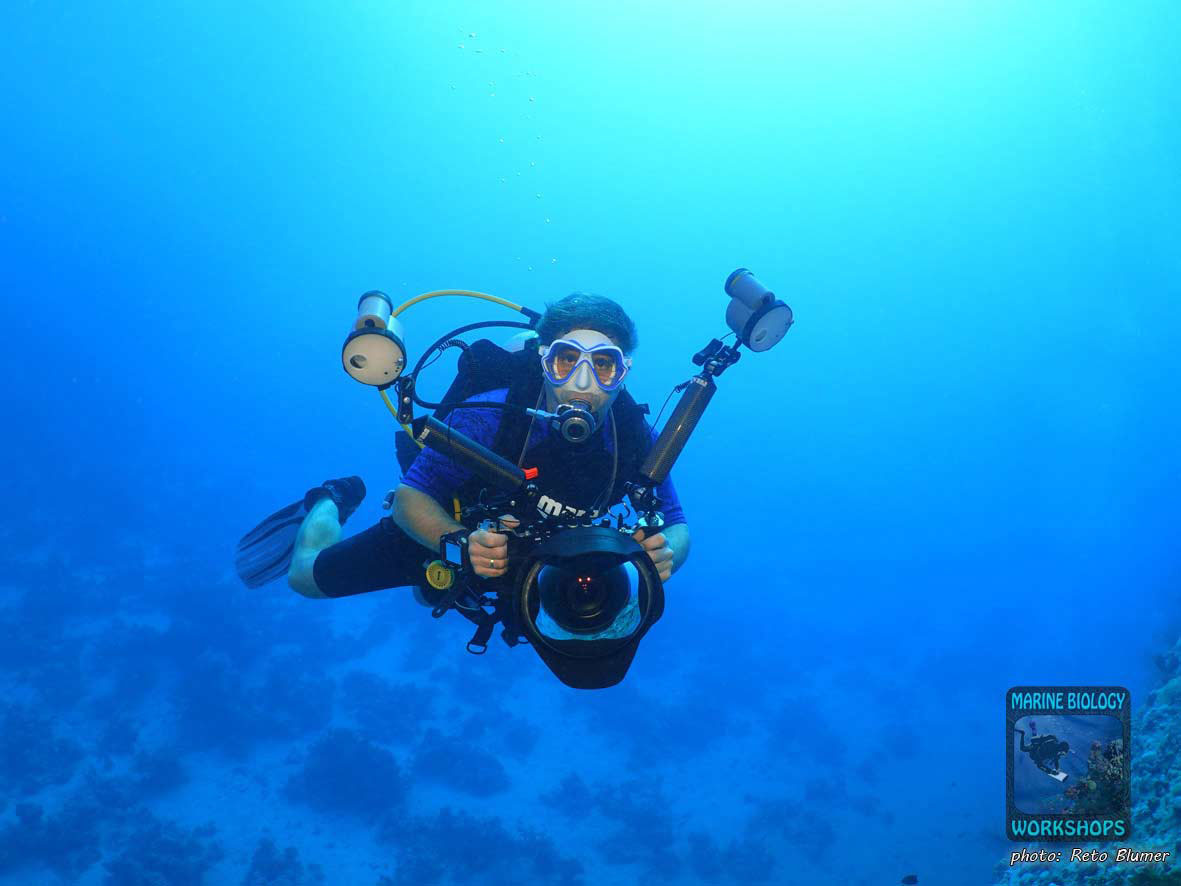
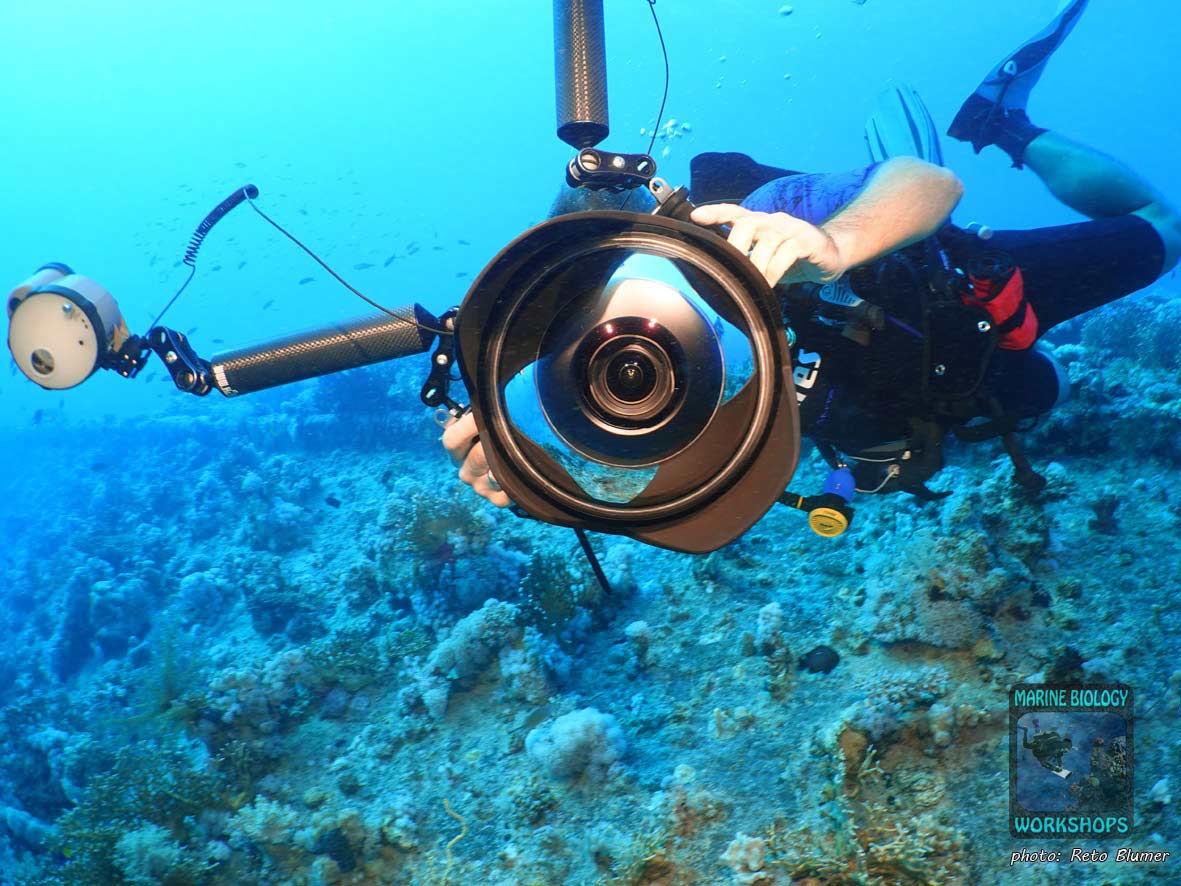
With various lenses ranging from macro to fisheye, ports, strobes, and video lights, he was well equipped for professional documentation of the underwater world.
As a result, participants received Stephan’s best-of photos a few weeks after the trip, as well as underwater photos of themselves — a wonderful reminder of this beautiful diving adventure.
Evening Lectures & Quiz
Evening Lectures & Quiz
In the evenings, when the ship was anchored, engaging lectures on various topics were held:
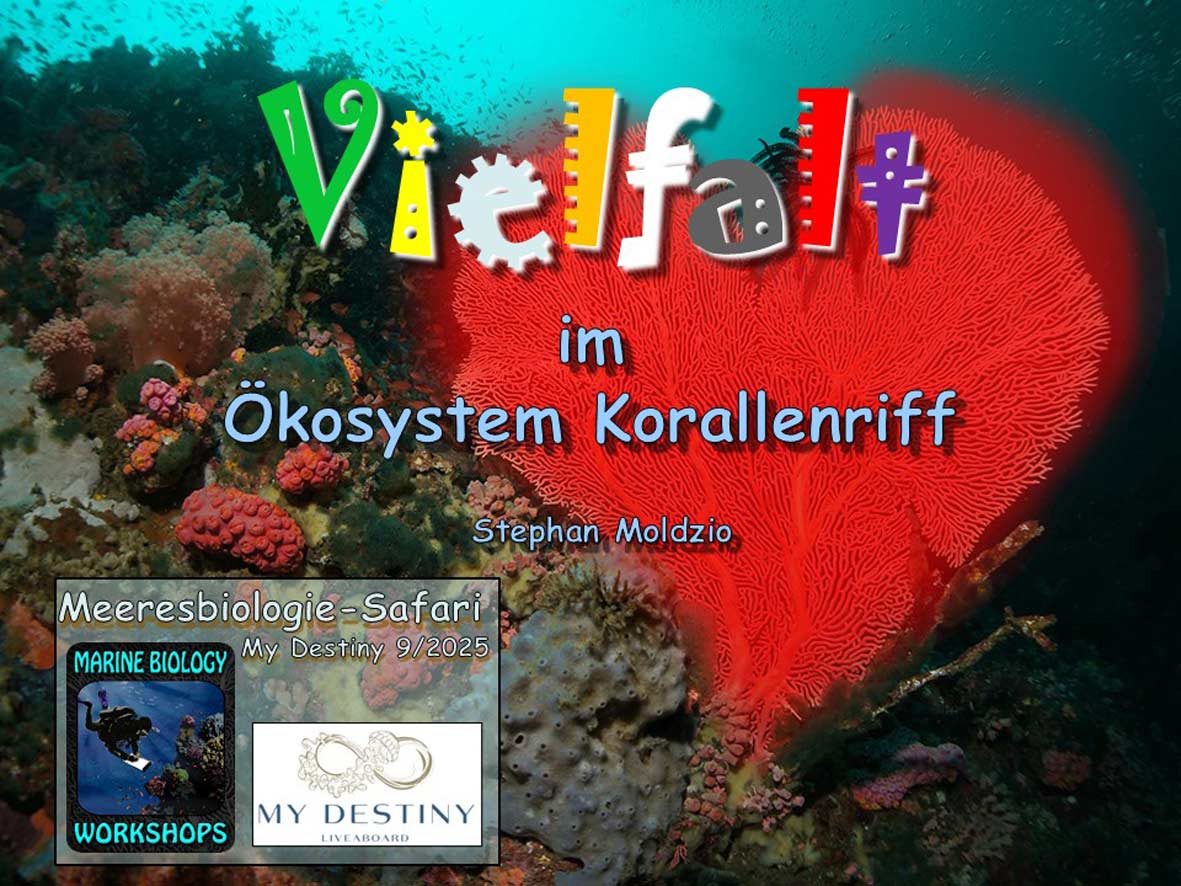
- Diversity in the Coral Reef Ecosystem
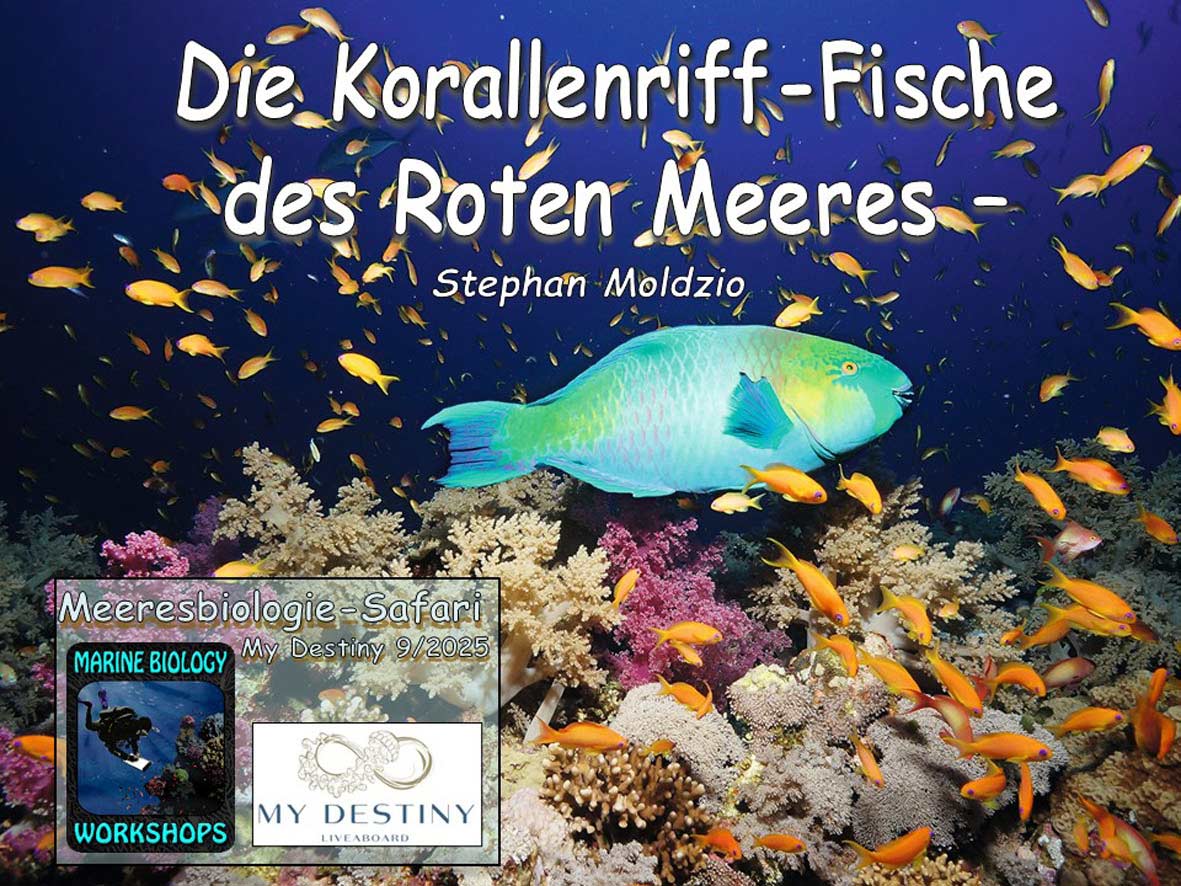
- The Coral Reef Fishes of the Red Sea
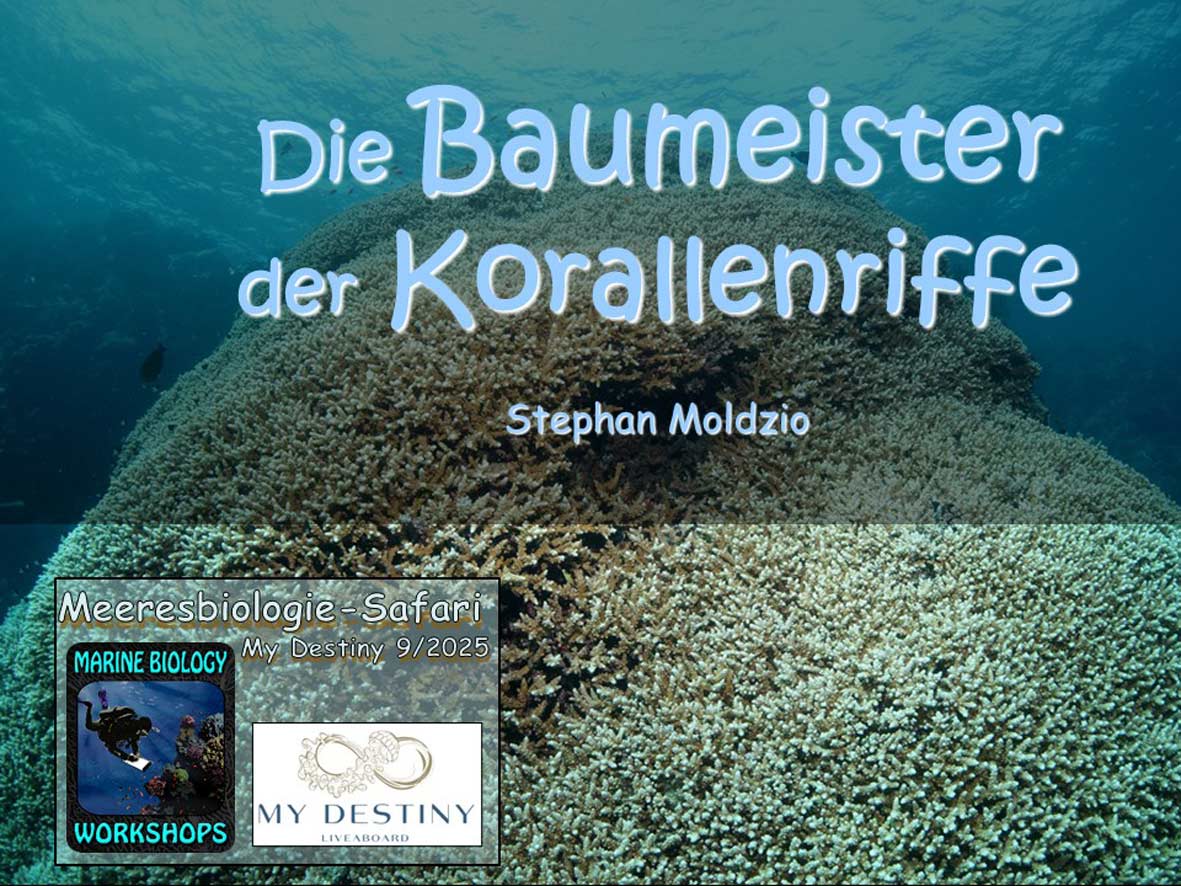
- The Builders of Coral Reefs
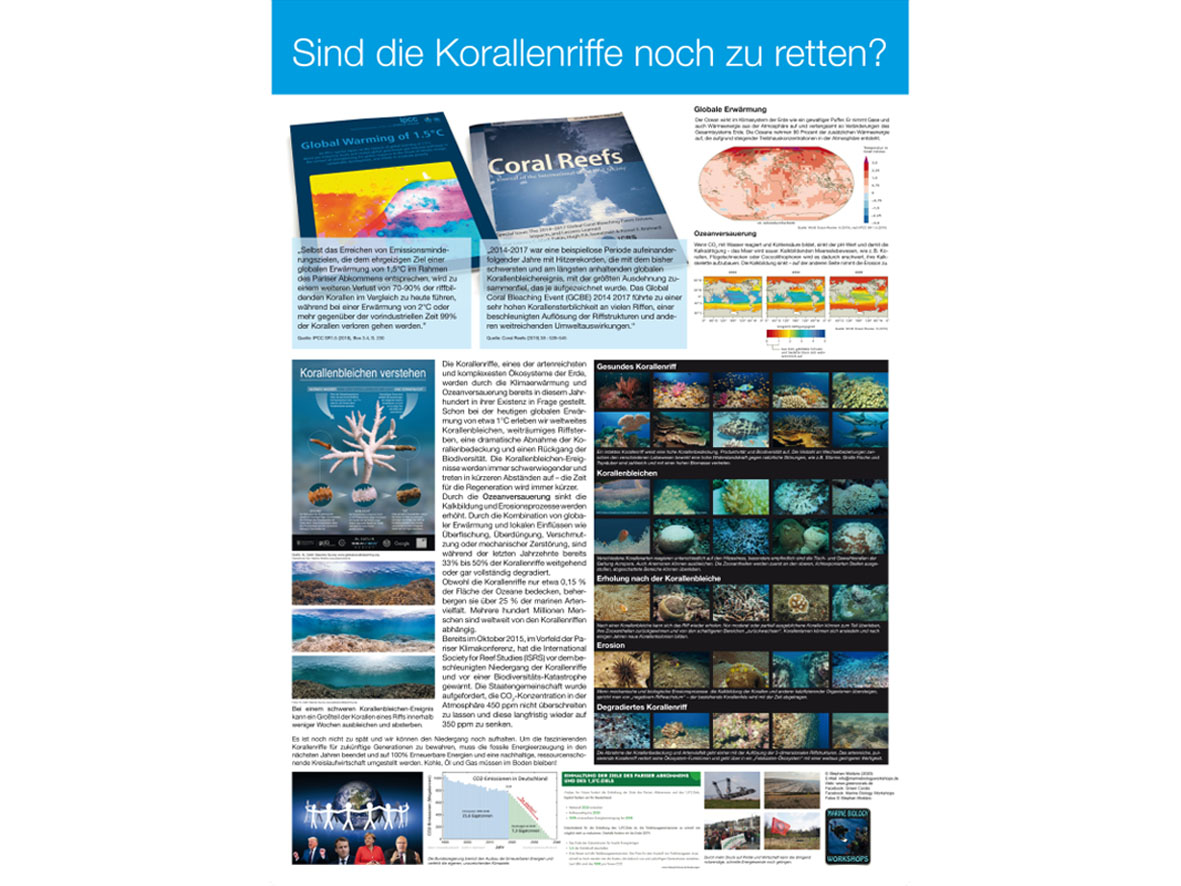
- Focus Topic: Coral Bleaching — Causes, Mechanisms, Identification, and Prospects for Recovery
- Fish Quiz with Attractive Prizes
he presentations offered an excellent opportunity to review the day’s dives, ask questions, deepen knowledge, and exchange ideas.
Afterwards, everyone was able to sleep wonderfully and look forward to the next day’s dives.
Exploring the World of the Microcosm
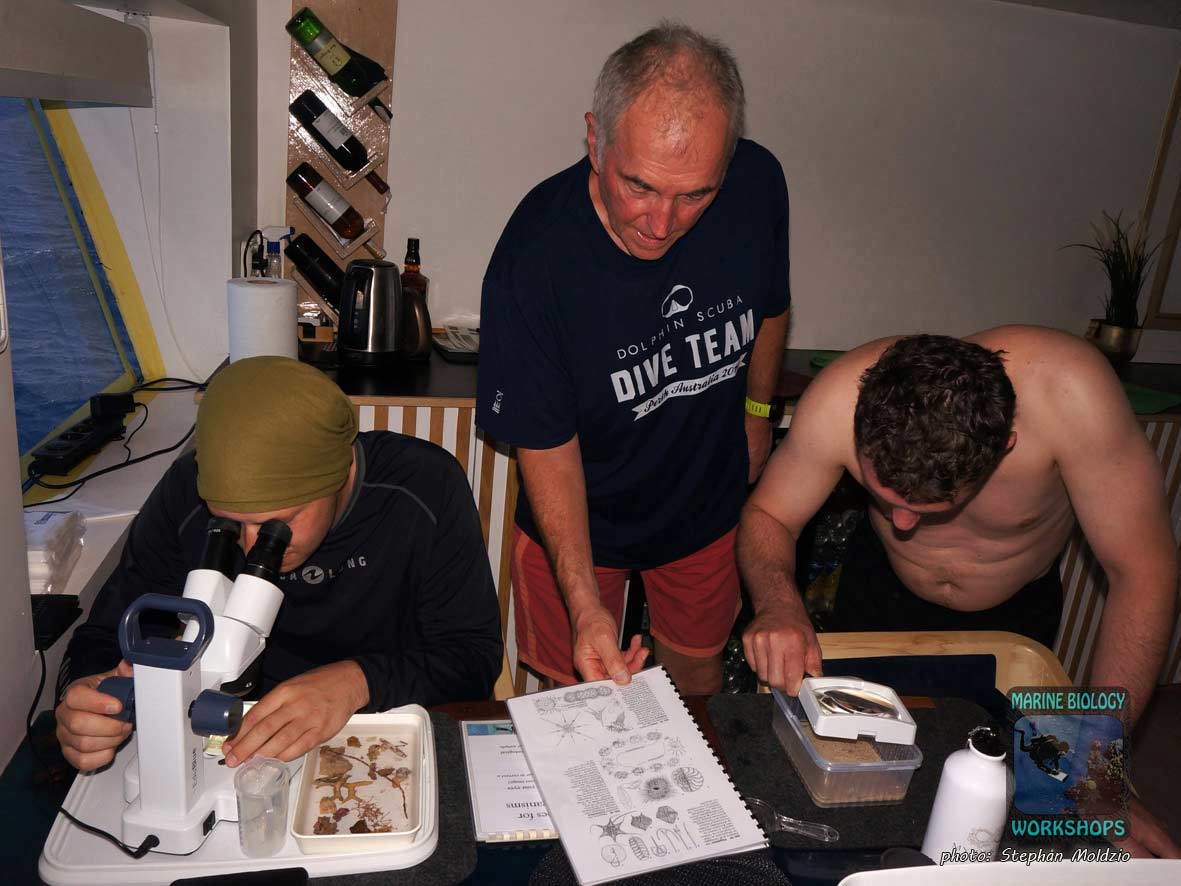
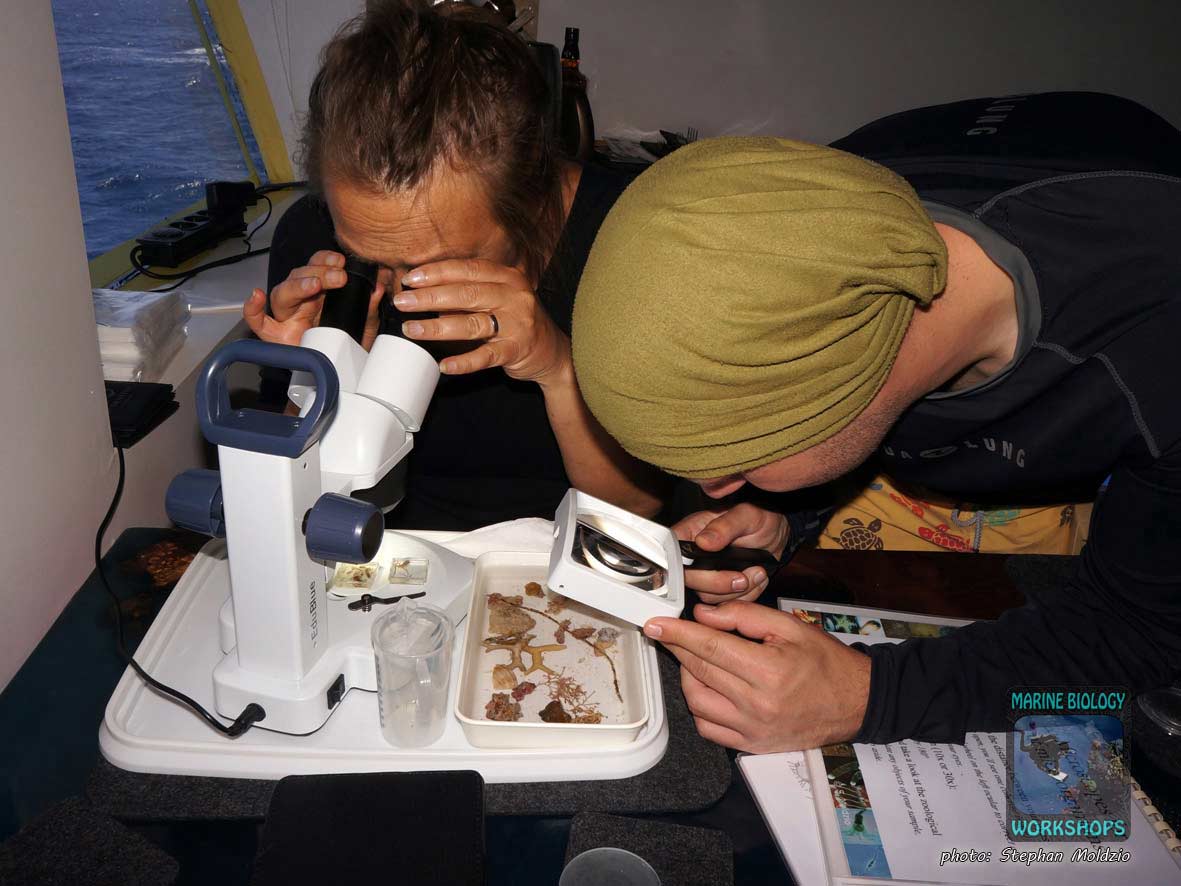
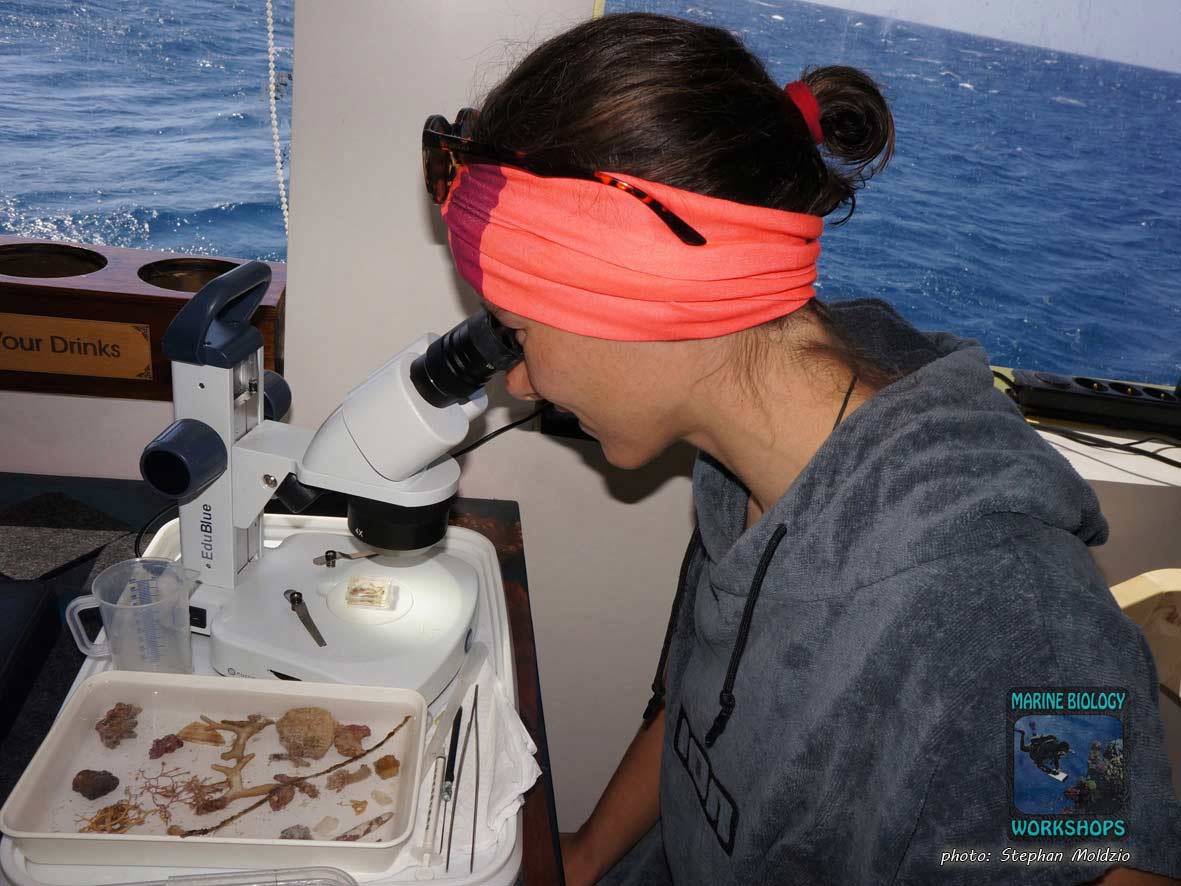
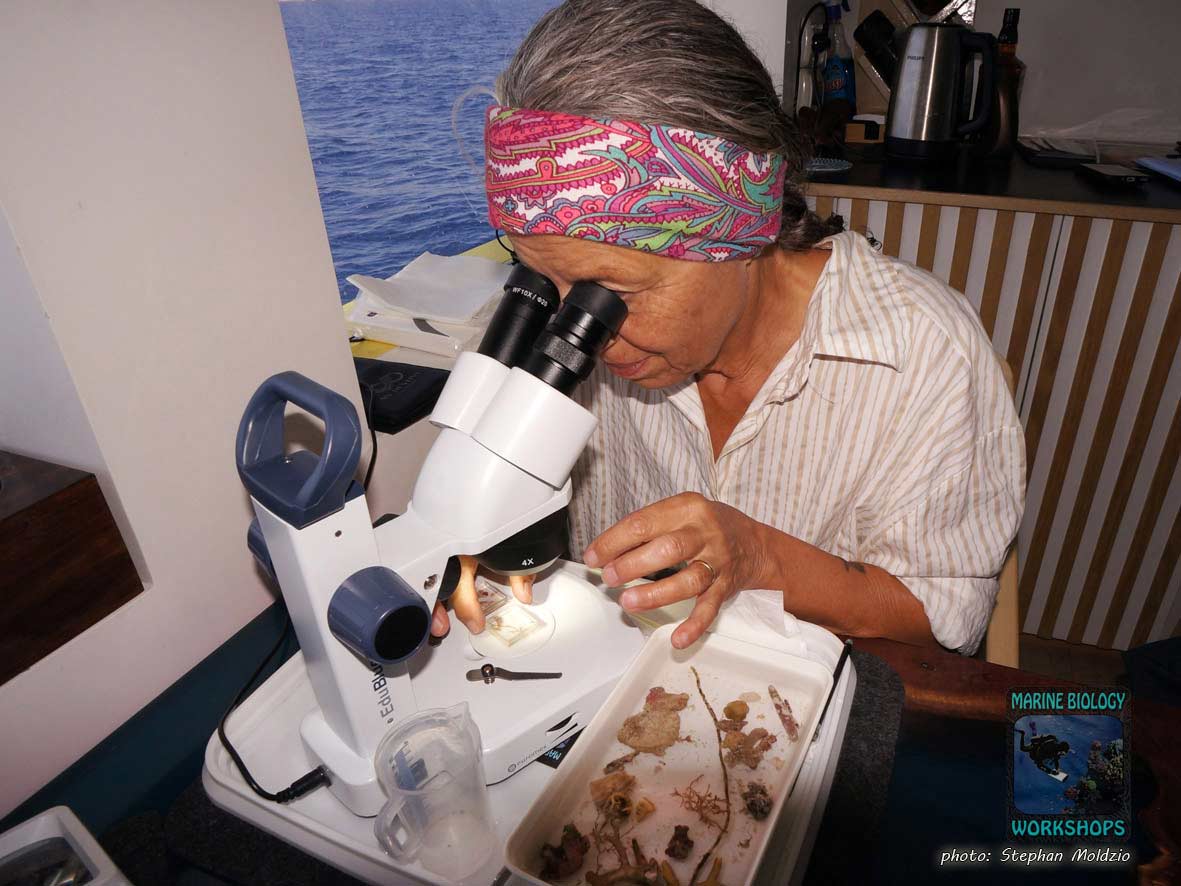
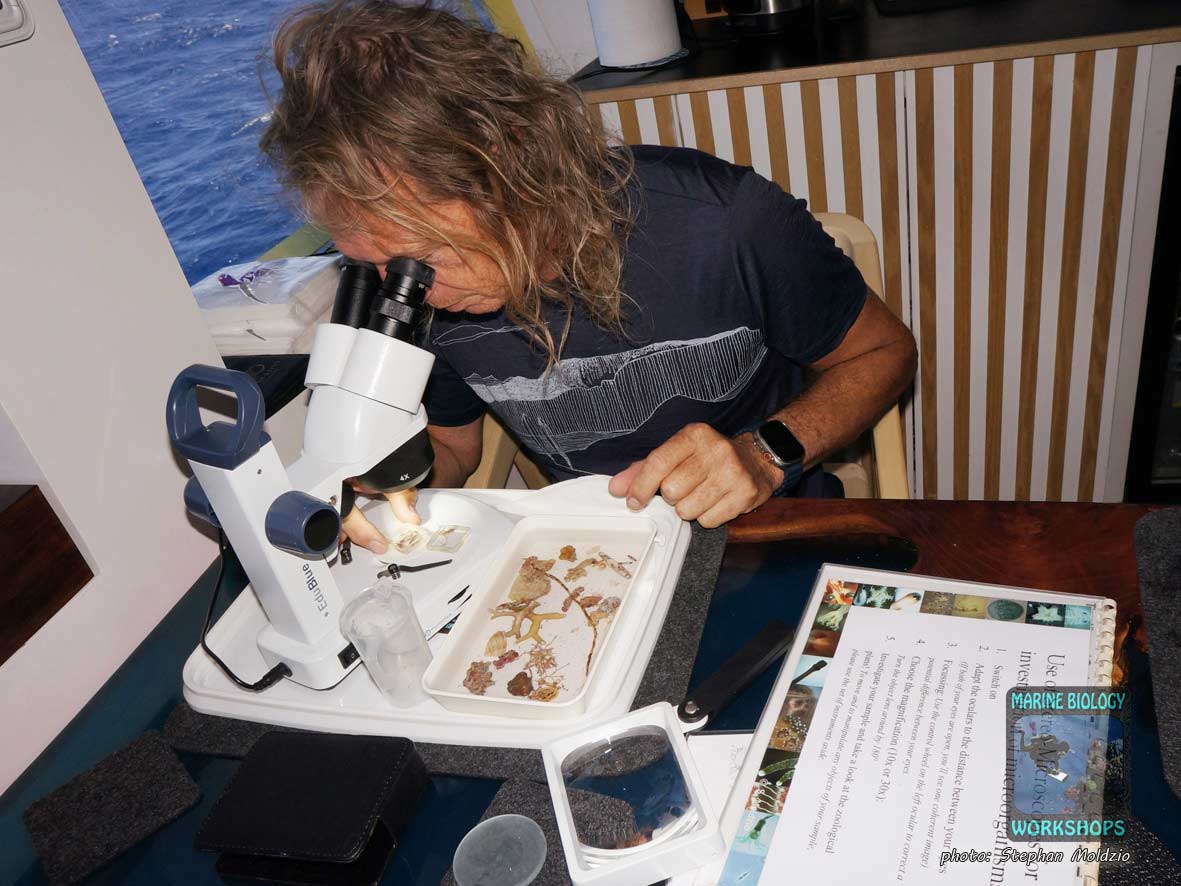
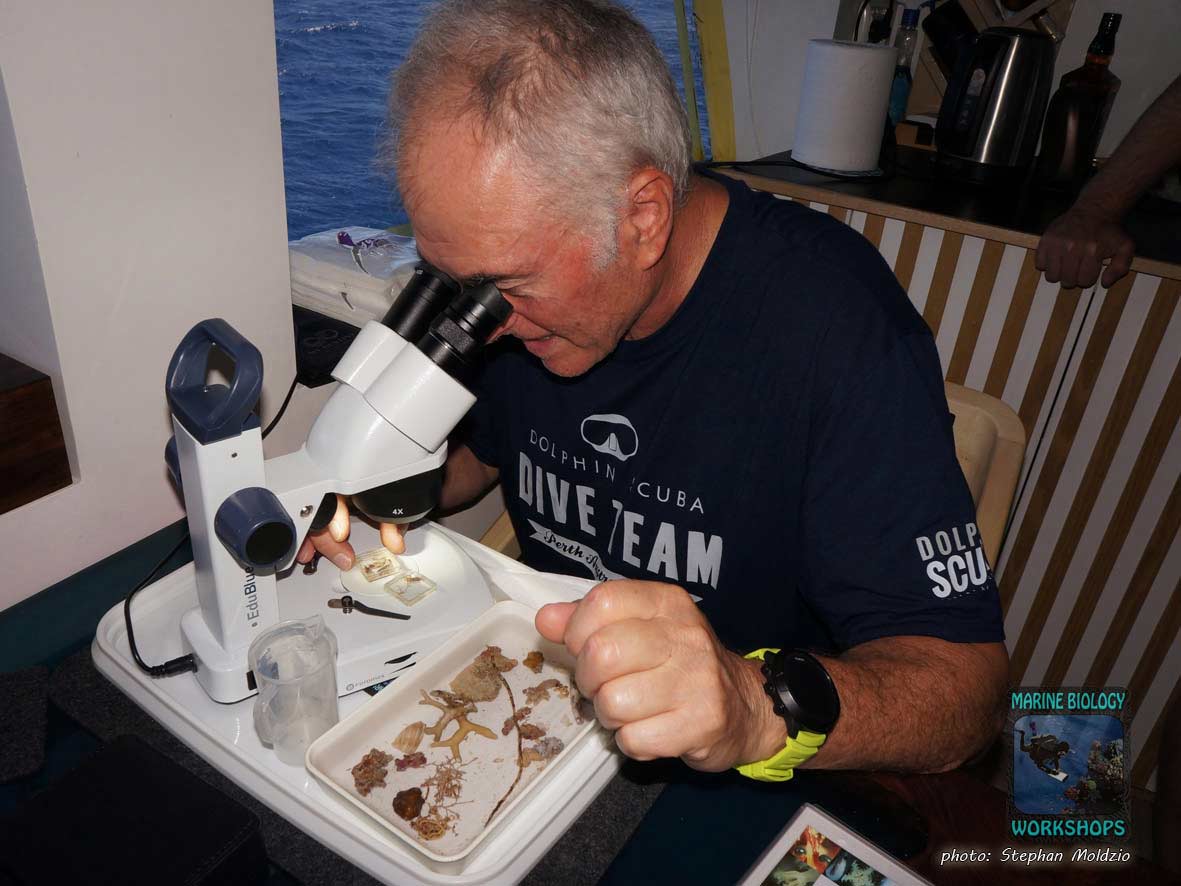
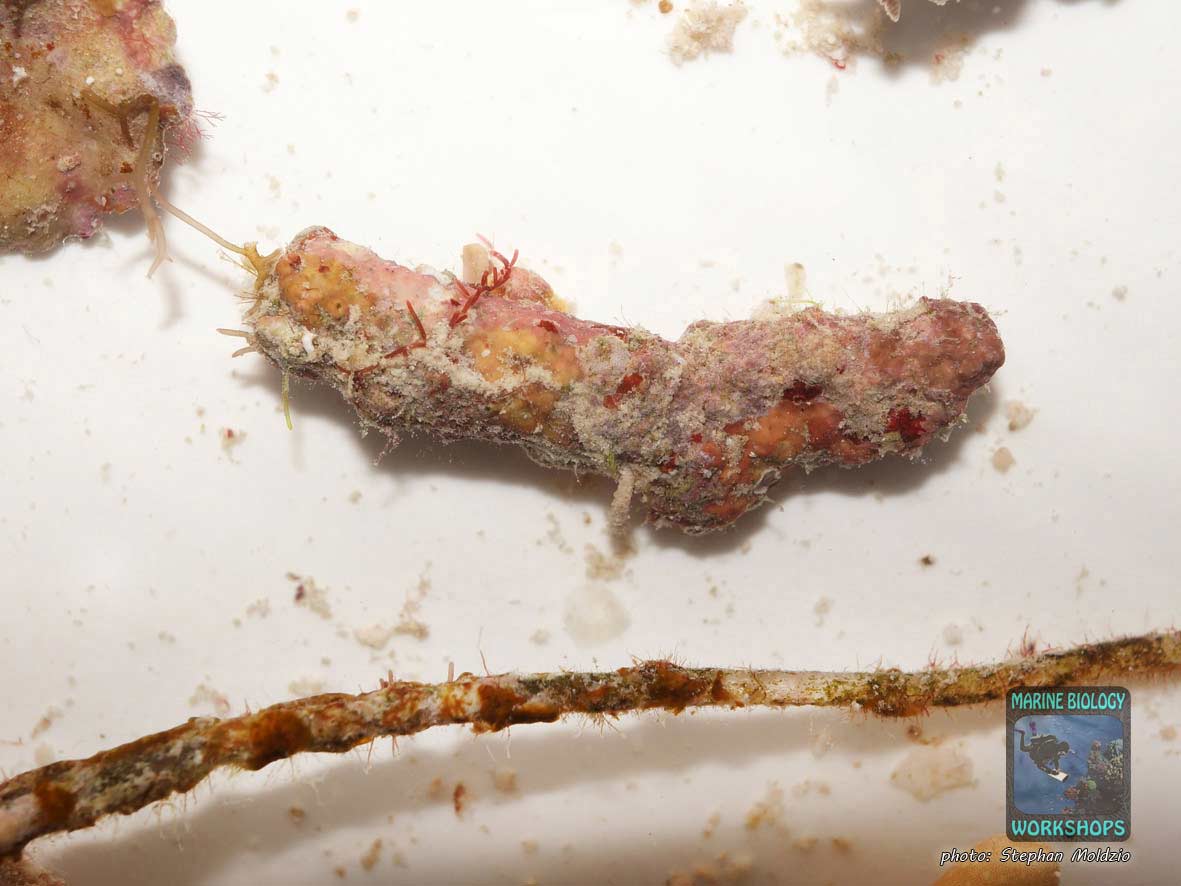
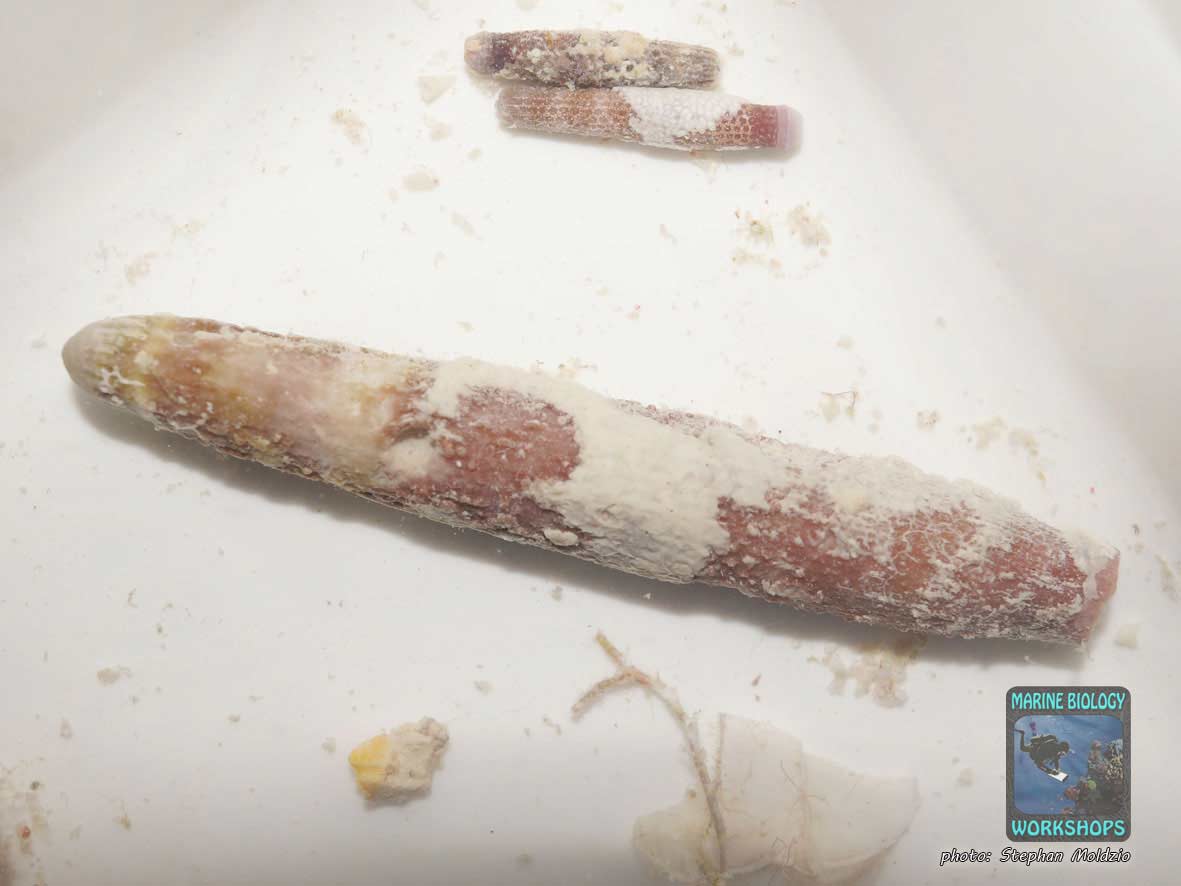
A first highlight was the microscopy session on the second day: During the dive at the wreck of the Dunraven, Stephan collected sand and coral rubble samples and prepared them for examination in the afternoon. In small groups, guests were able to use the microscope themselves and ask questions about the fascinating microcosm of the coral reef:
Starting with various algae, to single-celled foraminiferans and worms, and on to tiny crustaceans and snails. They form the foundation and food base for the countless larger marine organisms that we admire during our dives.

The Route: North & Tiran – Top Dive Sites & Pristine Reefs
he carefully planned route led us to some of the best dive sites in the Red Sea.
Particularly impressive were the intact reefs with high coral cover, numerous table corals, gorgonians, and an enormous diversity of species. But the four wrecks we dove were also true highlights of this trip.
The Coral Reefs of Ras Mohammed National Park
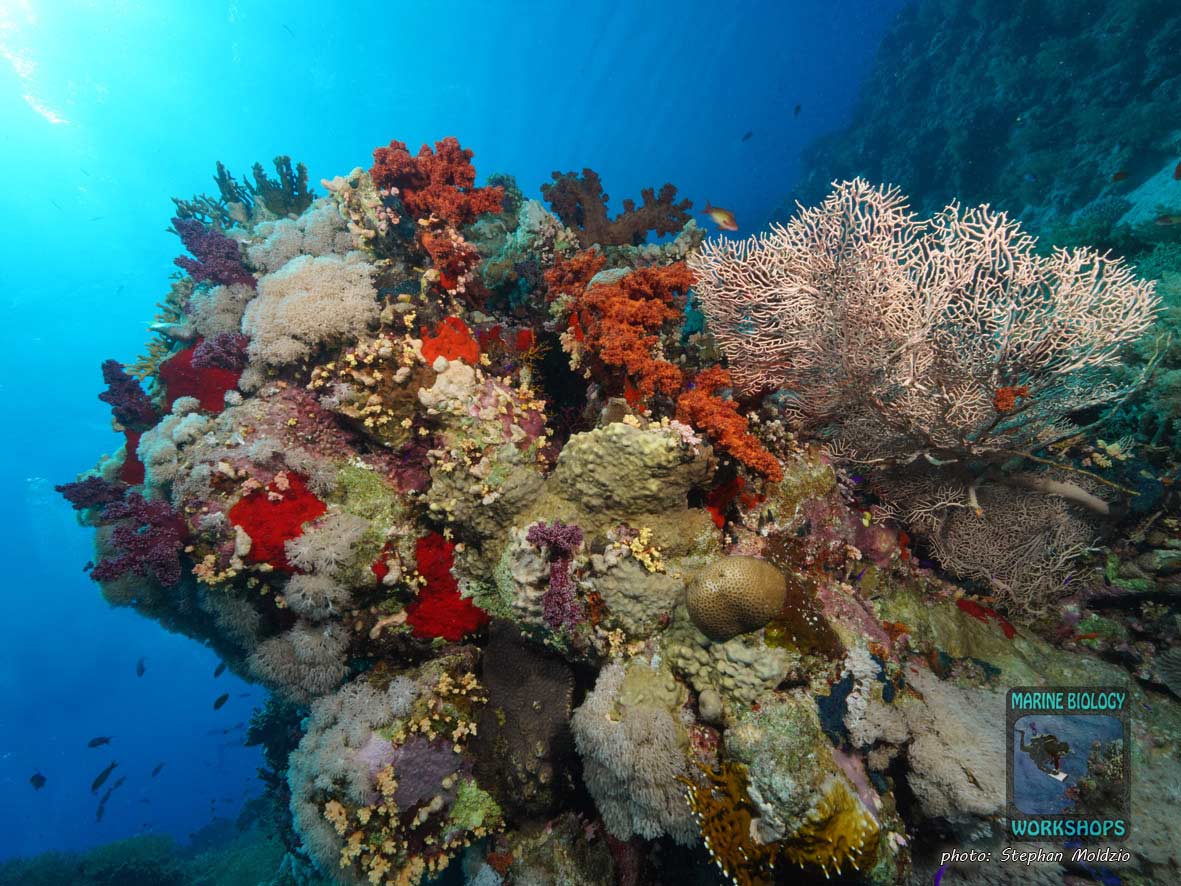
The coral reefs here are exceptionally intact; the two reefs Shark Reef and Yolanda Reef are among the best dive sites in the world.
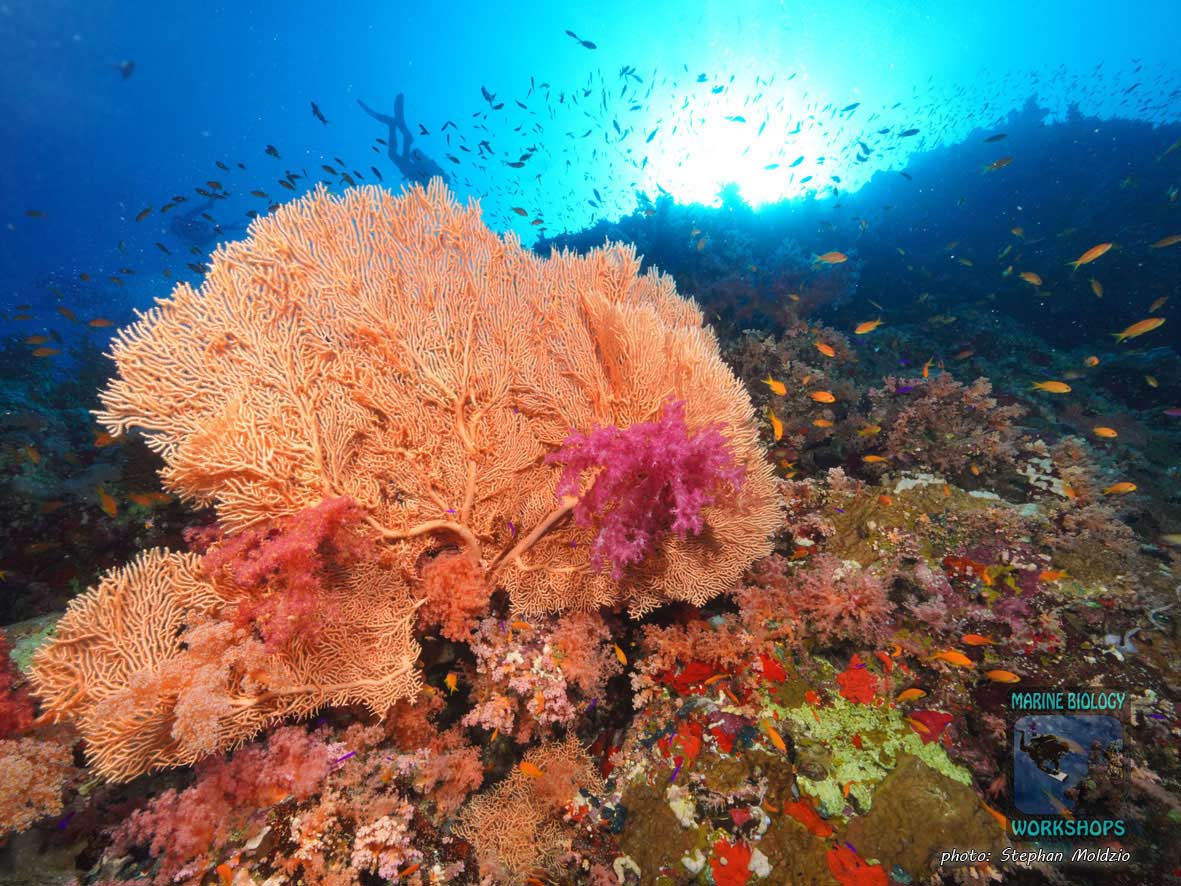
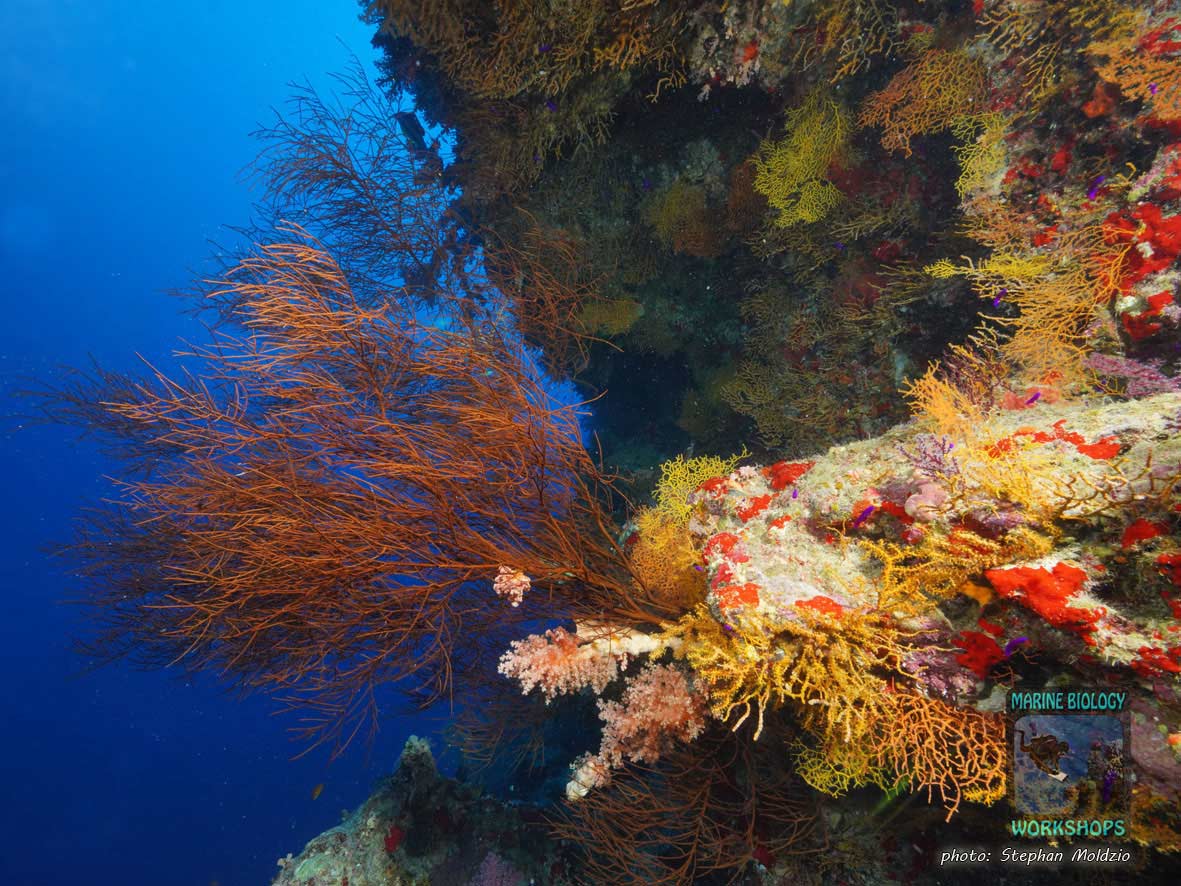
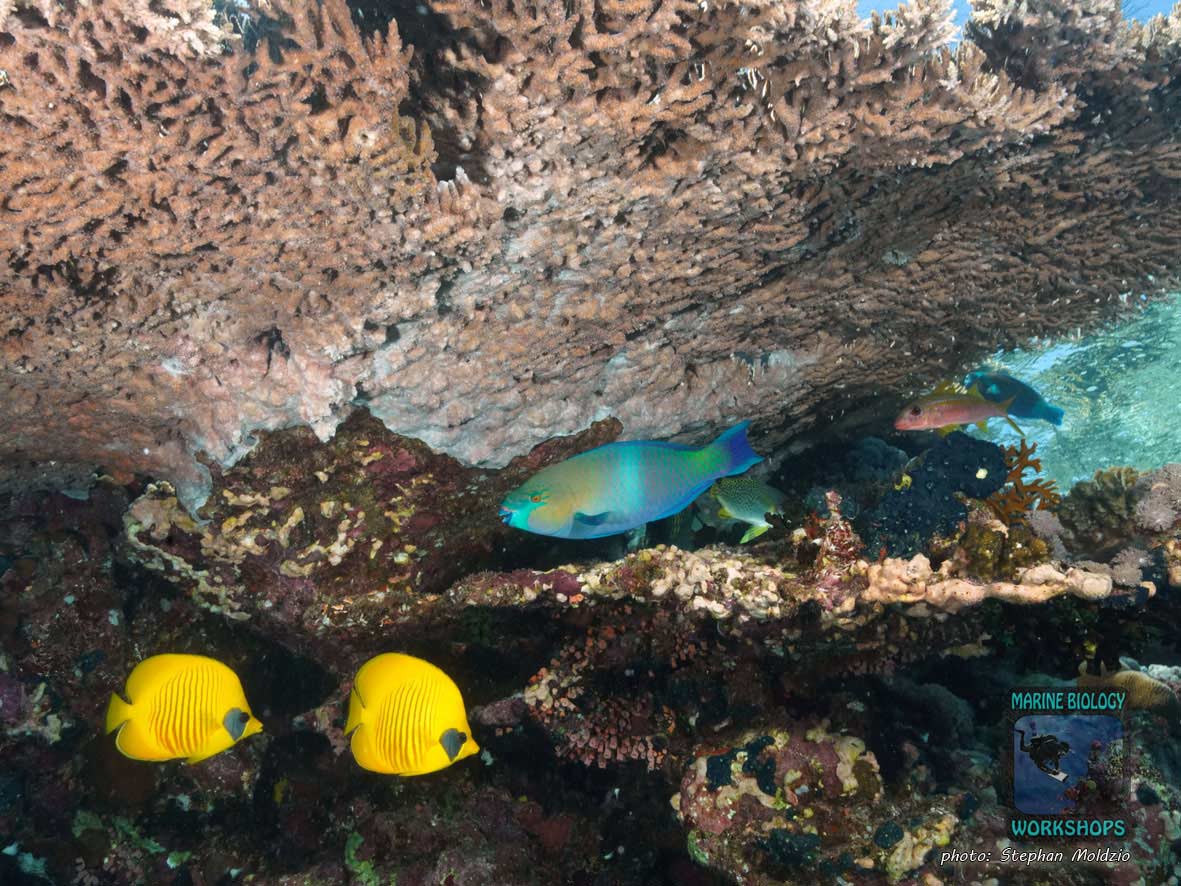
The steep walls drop down to depths of up to 800 meters, and strong currents bring nutrients and ensure a high coral cover, with many soft and horn corals, sponges, sea squirts, and other filter feeders. In the shallow water, many large Acropora table corals thrive.
The diversity of species is enormous, as is the abundance of fish.
The hot years 2023 and 2024 — during which widespread coral bleaching occurred both globally and in the Red Sea — seem to have had no noticeable effect on these sites. The likely reason for this is the current patterns, which bring cooler water from the depths upward.
The Coral Reefs in the Strait of Tiran
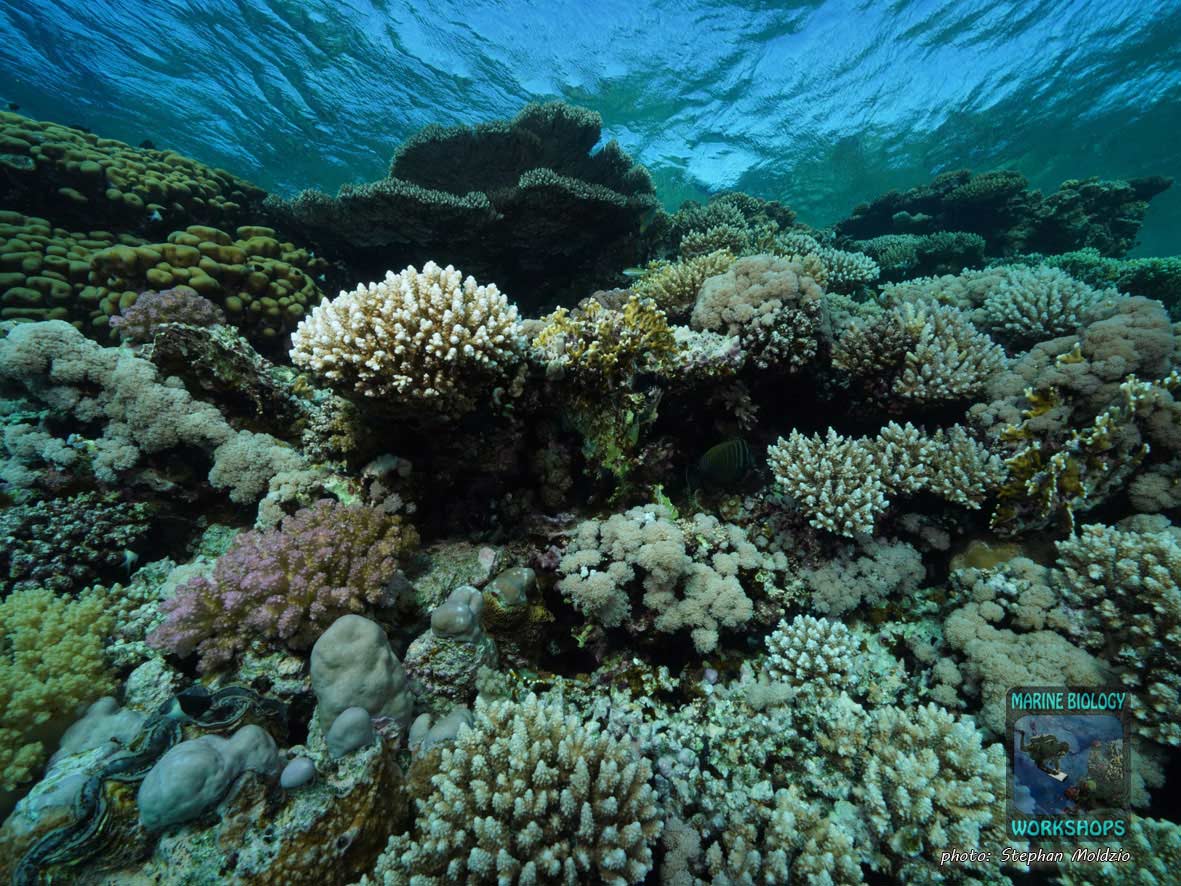
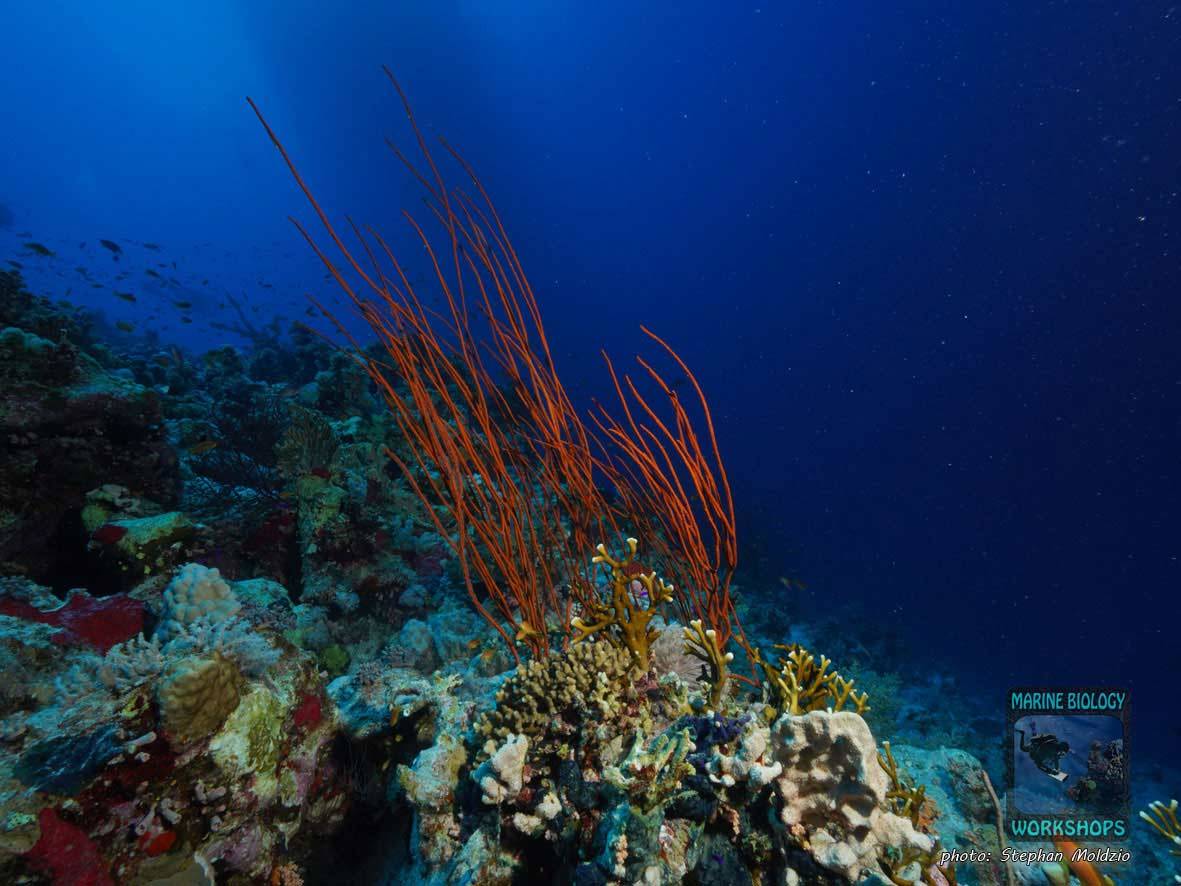
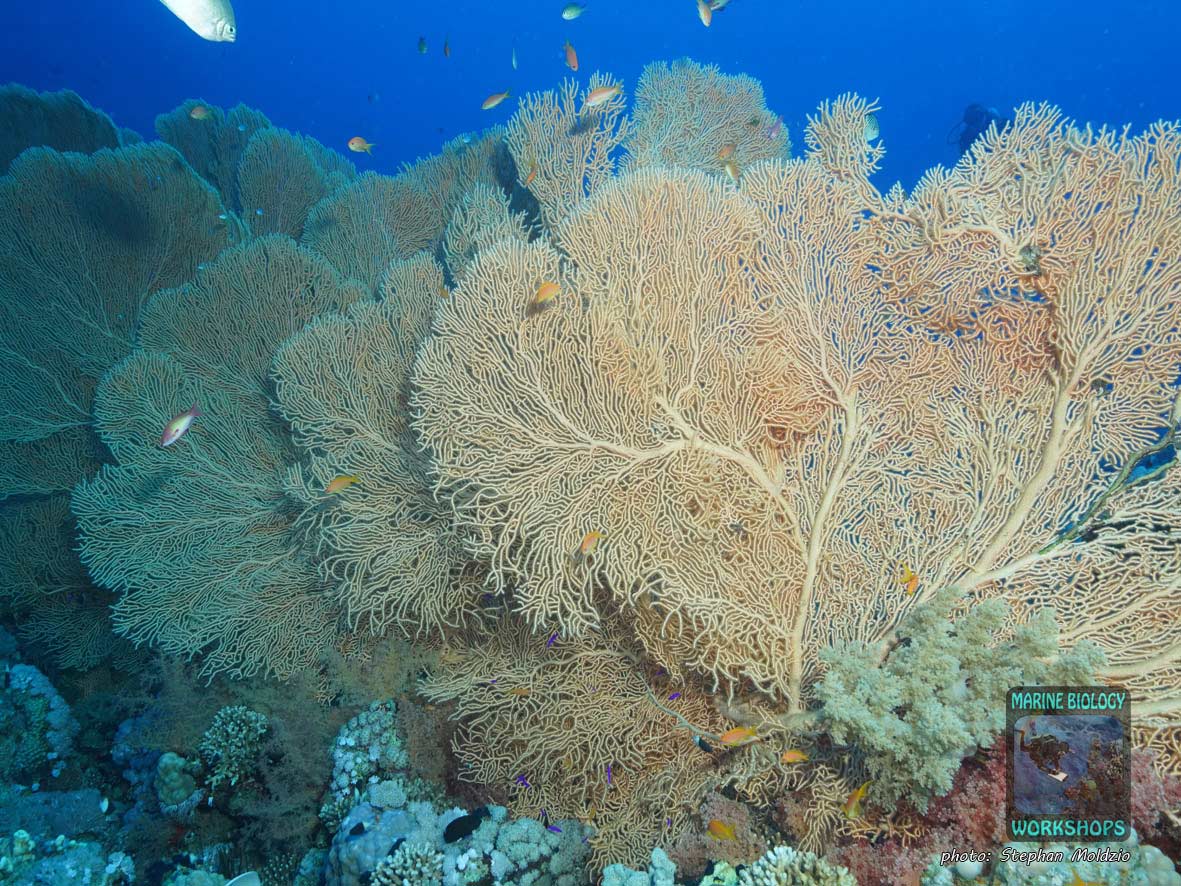
The current conditions also play a decisive role in the good condition of the four Tiran reefs: high coral coverage, many gorgonians and filter feeders, high fish abundance and high biodiversity. The currents, combined with the abundance of food, also attract sharks and other large fish. We did our first dive and night dive at Gordon Reef.
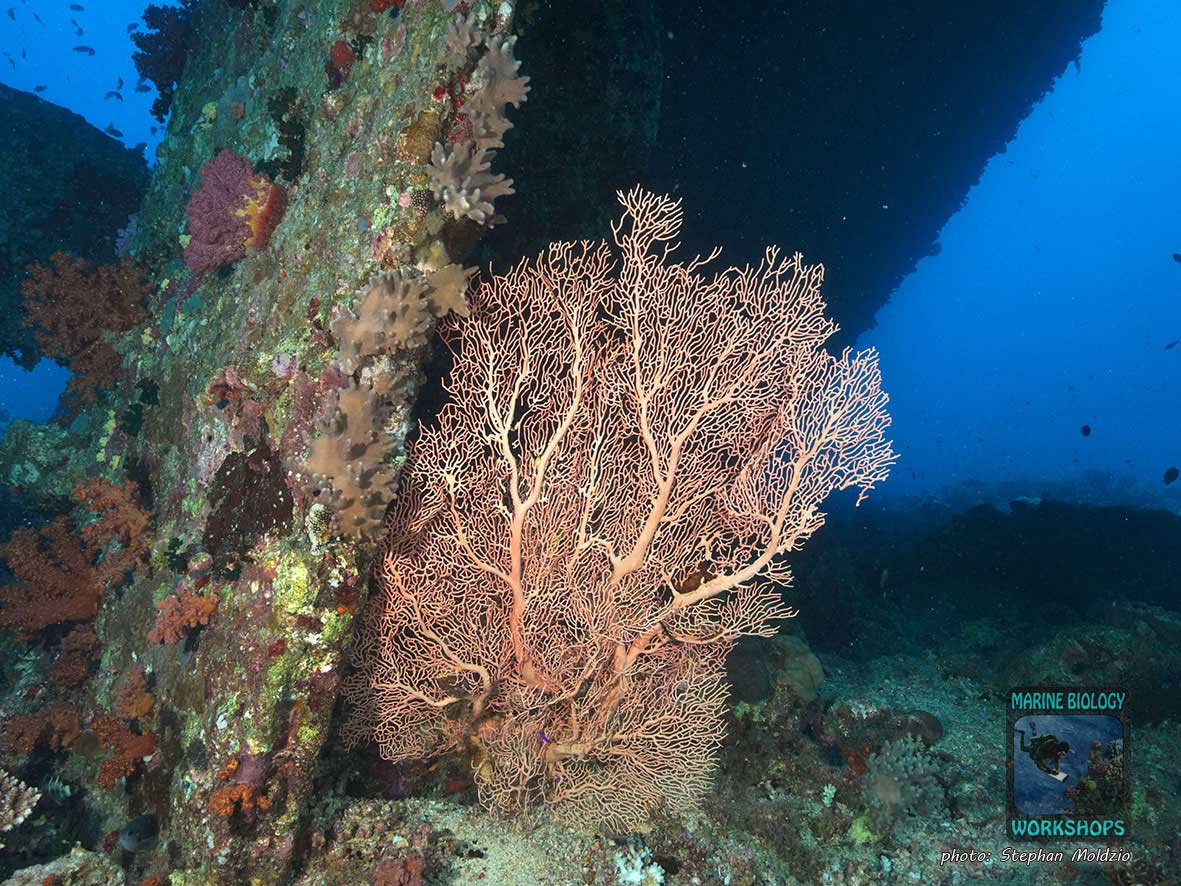
Scattered around here are pieces of cargo from the freighter Loullia, which ran aground on Gordon Reef in 1981. The heavily rusted wreck still lies on the reef top. At Thomas Reef and Jackson Reef, we also encounter lush soft corals and giant sea fans (Anella mollis) in the deeper areas and dense stone coral growth and sprawling table corals (Acropora sp.) in the light-flooded shallower areas of the reef.
Fish
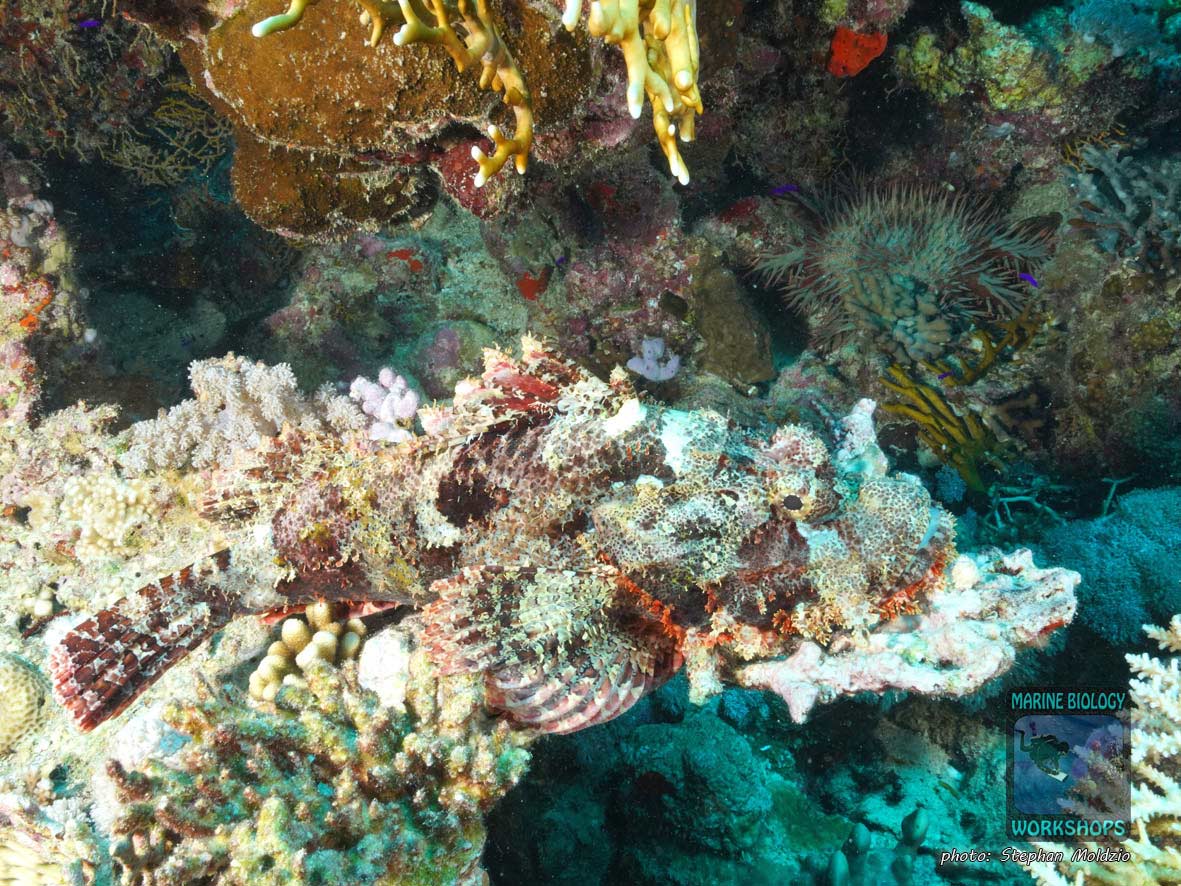
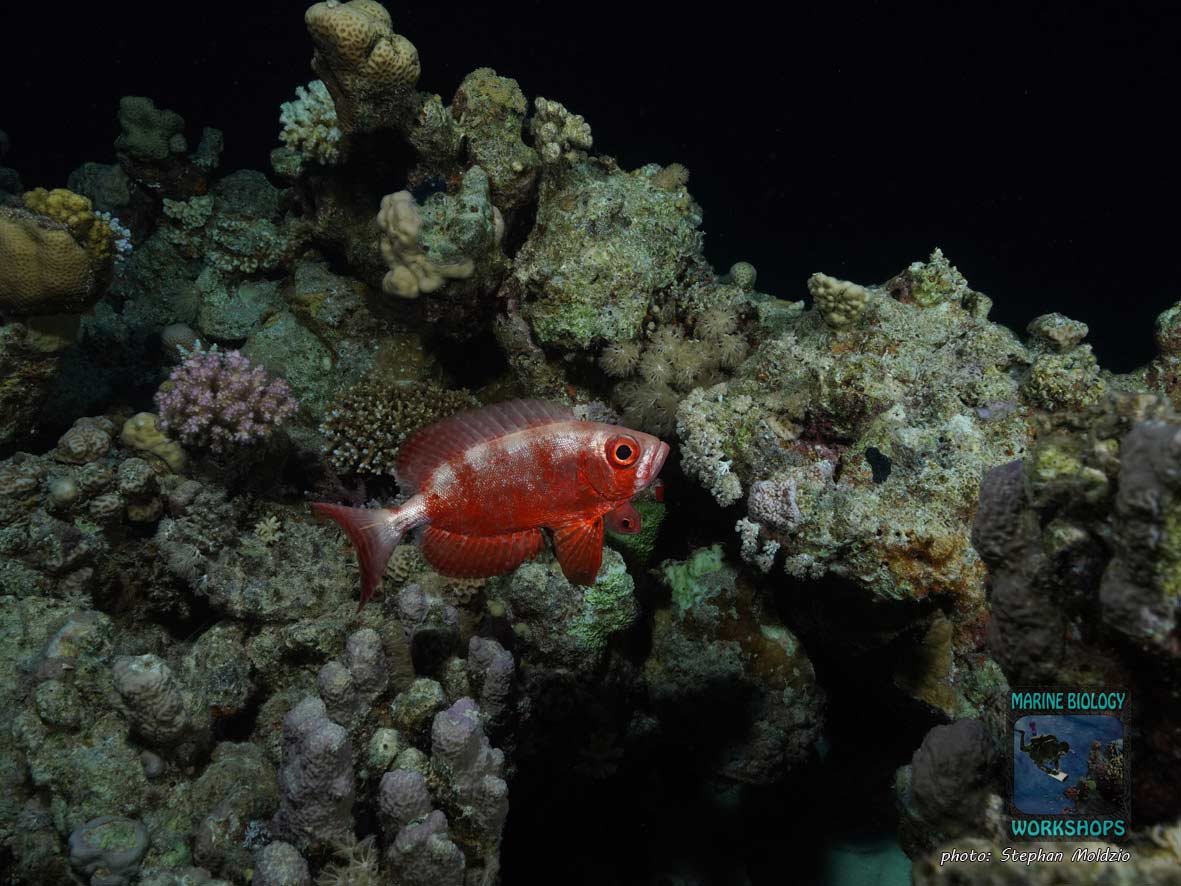
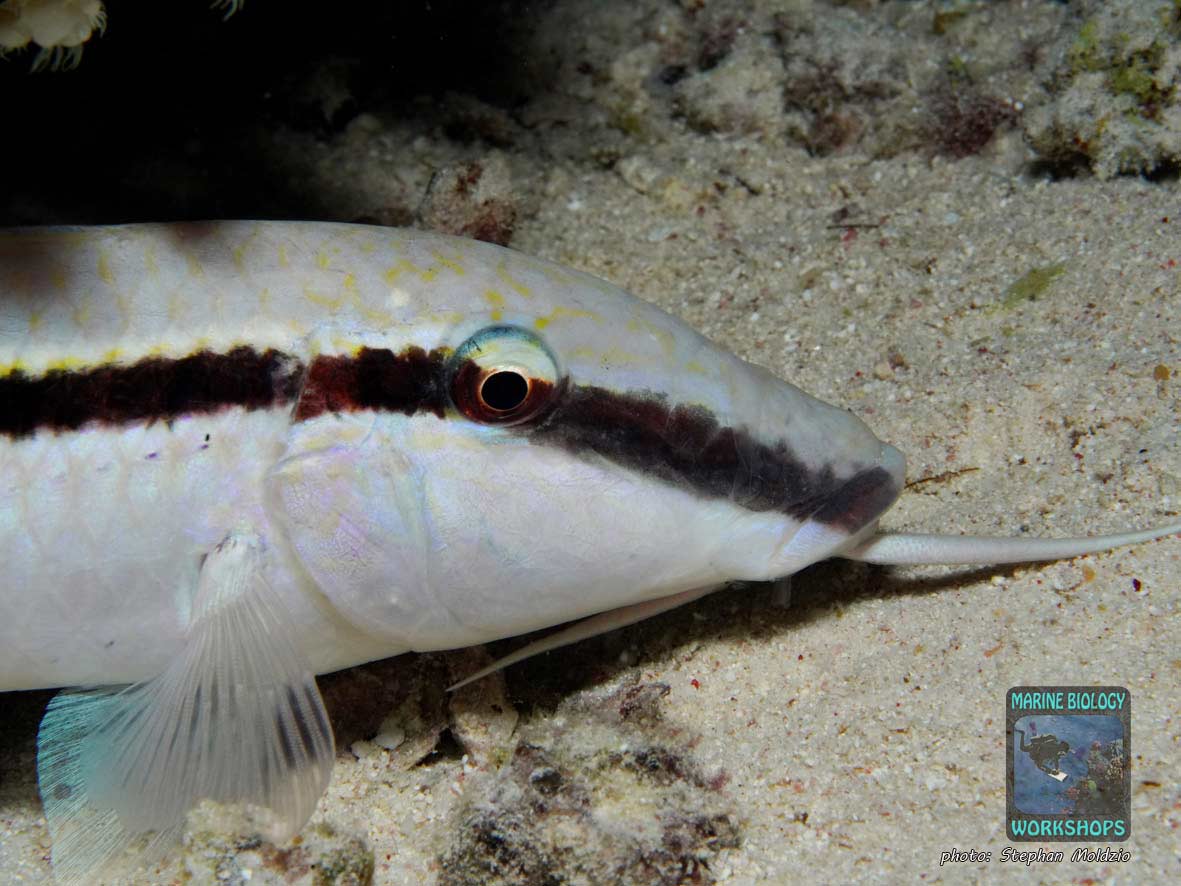
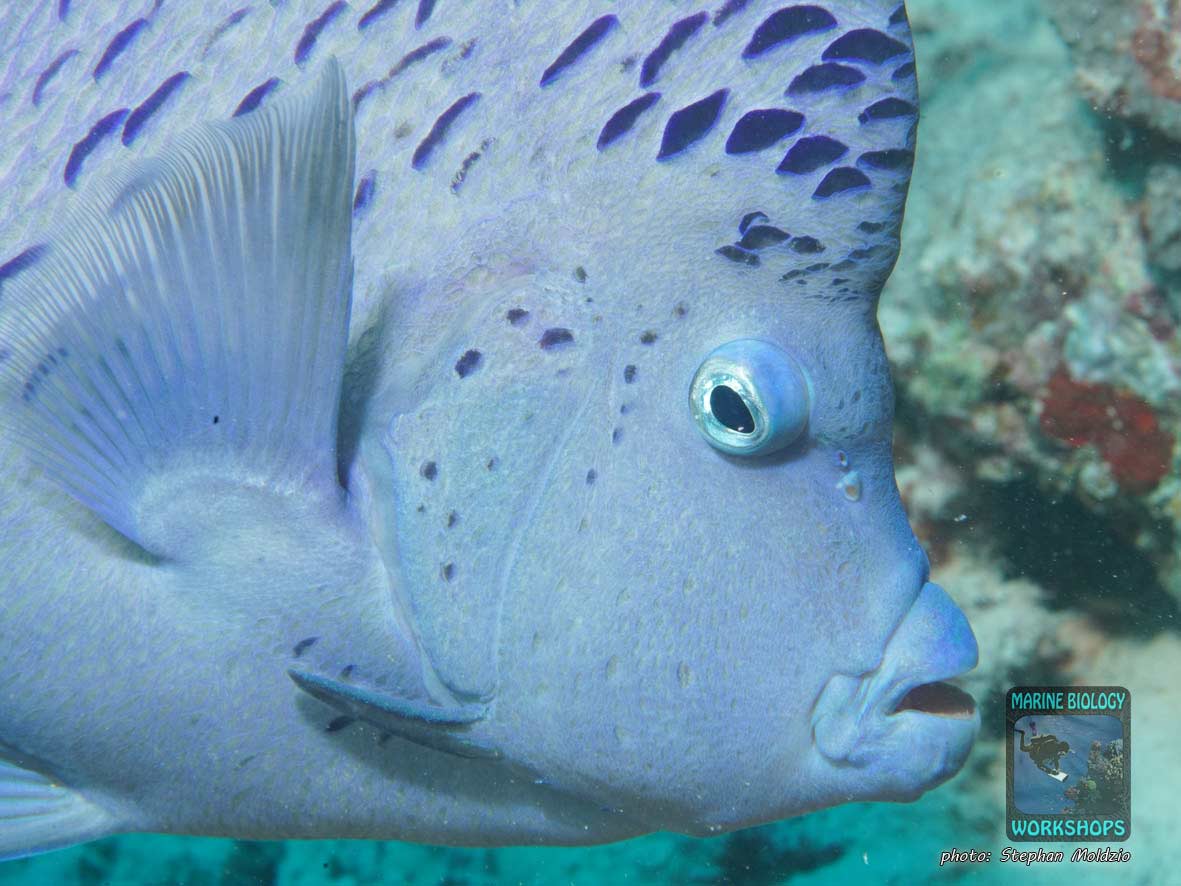
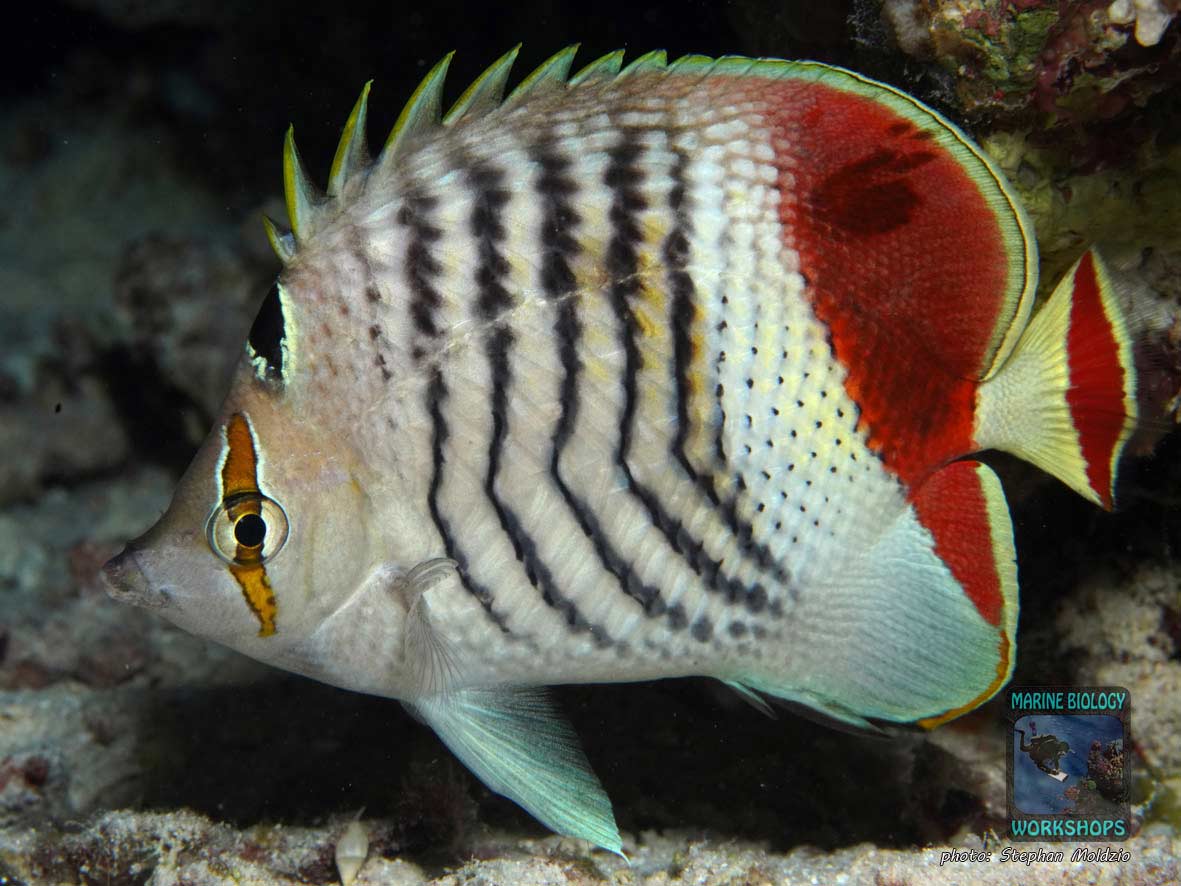
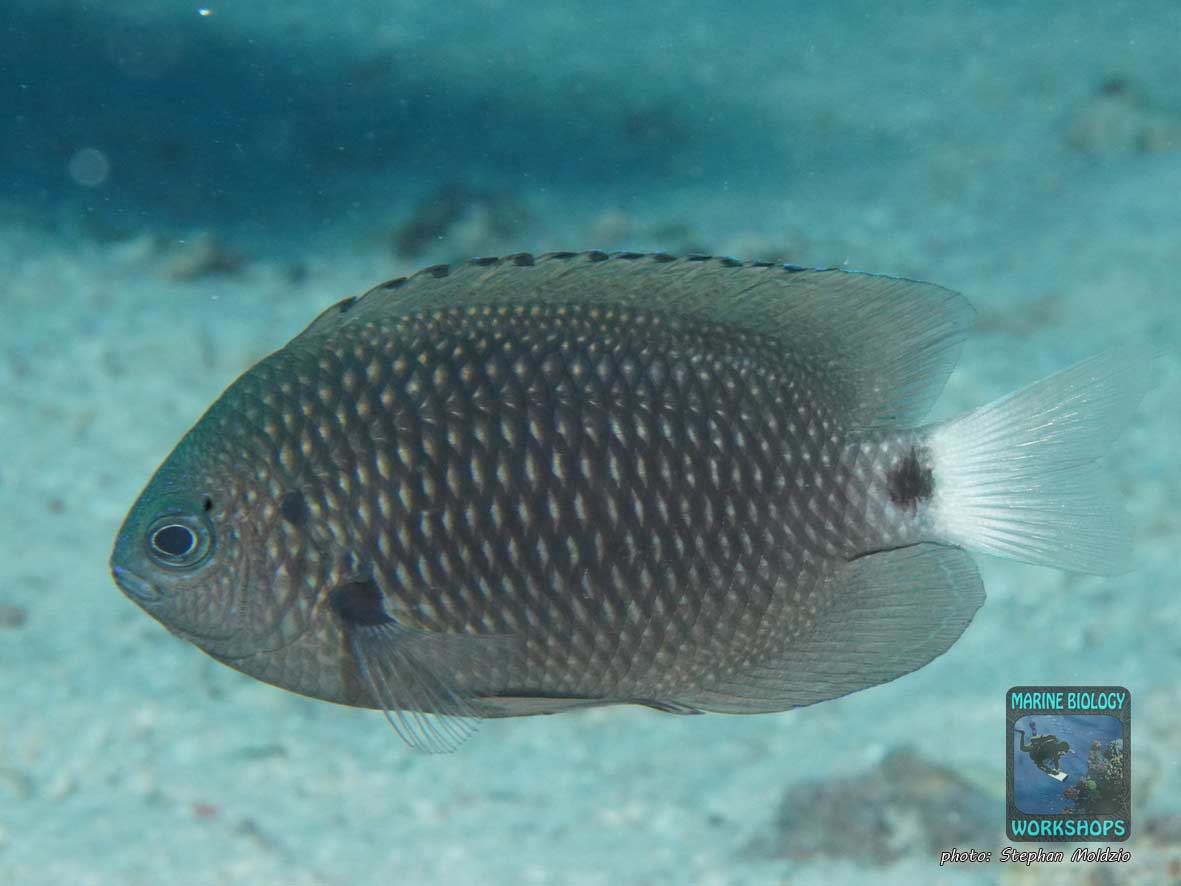
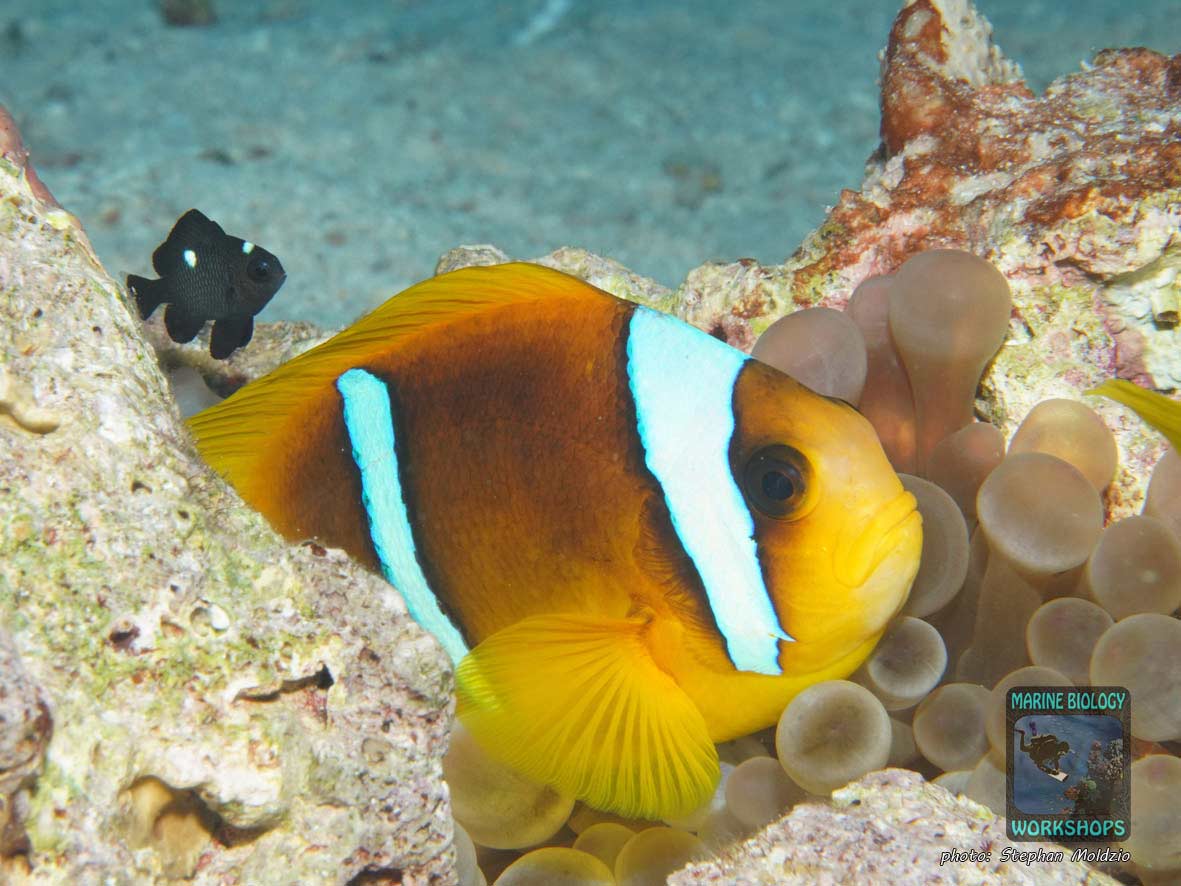
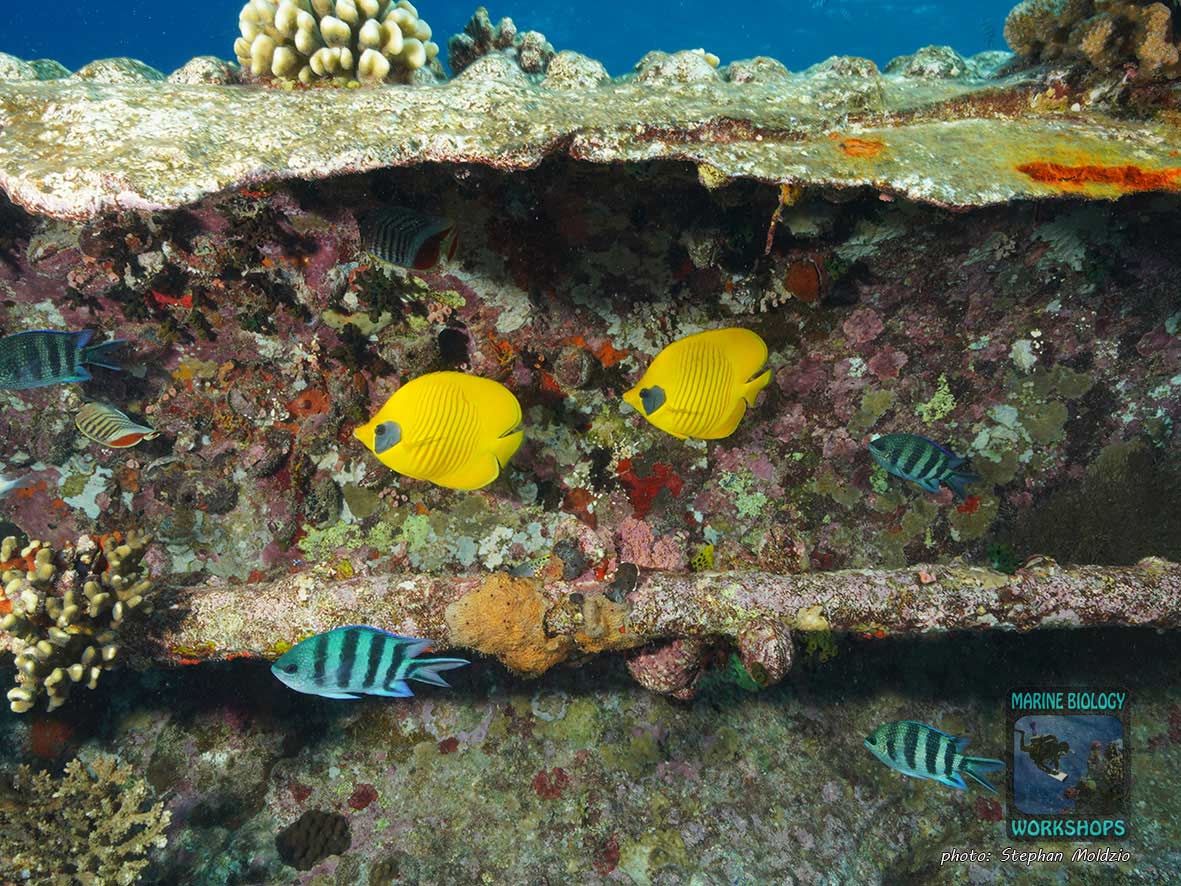
The Red Sea endemic anemonefish (Amphiprion bicinctus) lives in symbiosis with various species of anemone, including Entacmaea quadricolor. It is often found alongside juvenile three-spot damselfish (Dascyllus trimaculatus). Numerous other species are also represented in the family of reef fish (Pomacentridae). Many species of butterflyfish live in intact coral reefs, including the red-spotted butterflyfish (Chaetodon paucifasciatus), which is endemic to the Red Sea. These fish are often food specialists, feeding on small organisms between the corals and on the coral polyps themselves.
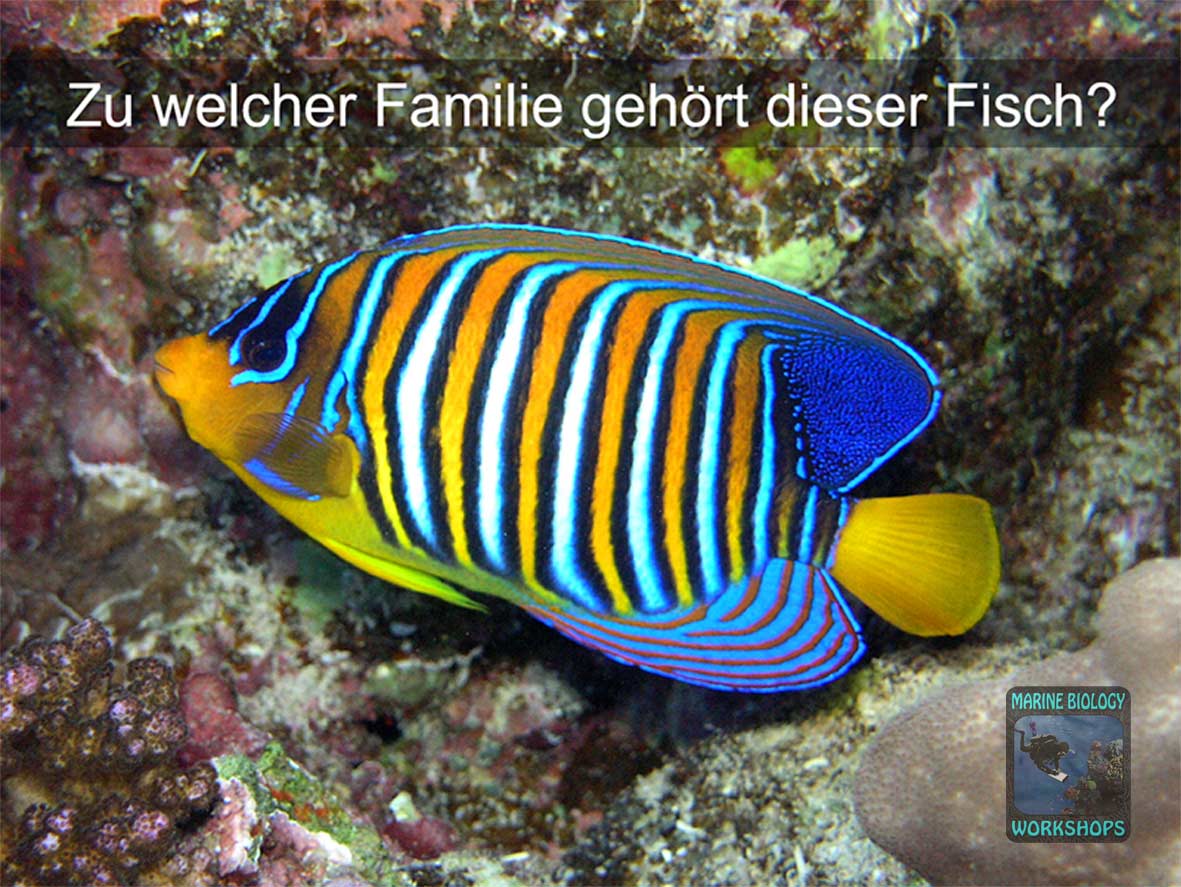
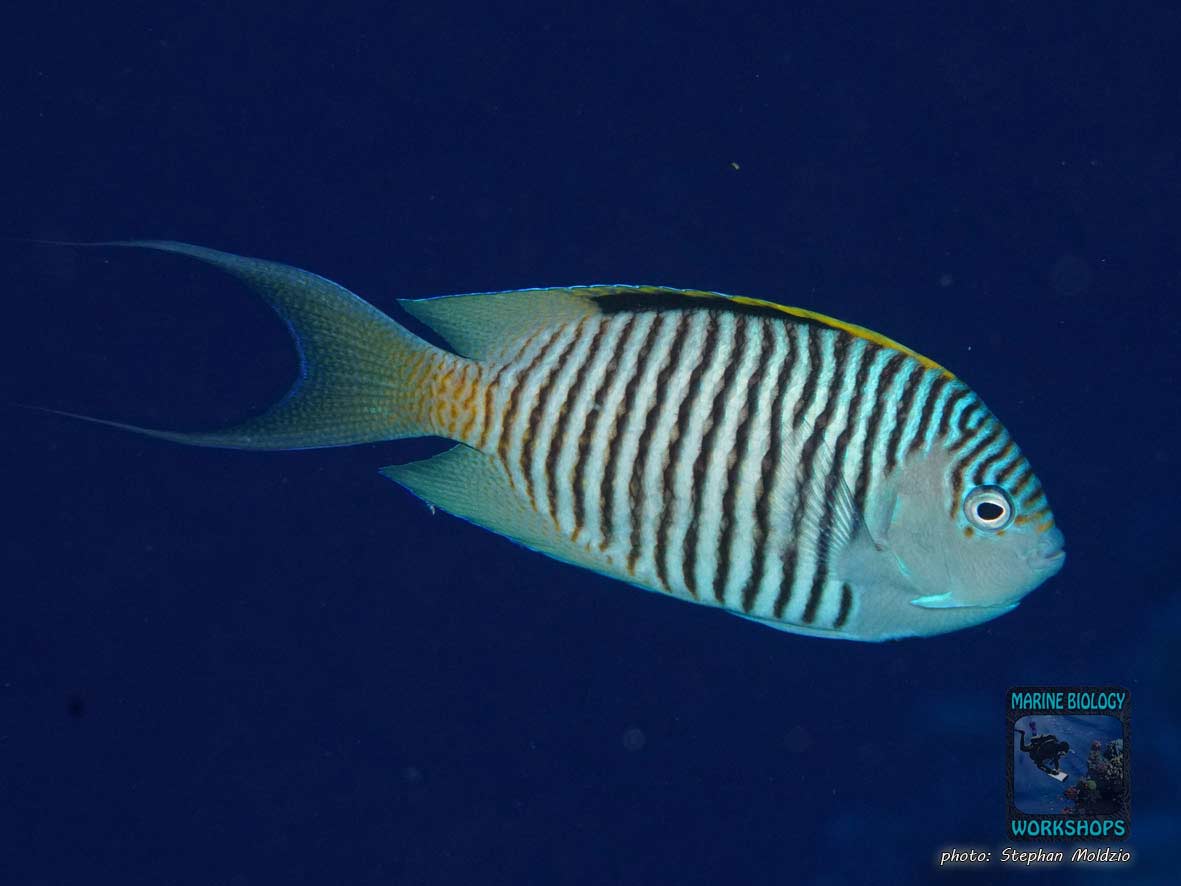
Angelfish (Pomacanthidae) can be recognised by the spine behind their gill cover. This applies to the large angelfish (Pomacanthus spp., Pygoplithes diacanthus), the dwarf angelfish (Centropyge spp.) and the lyre angelfish (Genicanthus spp.), which swim in open water.
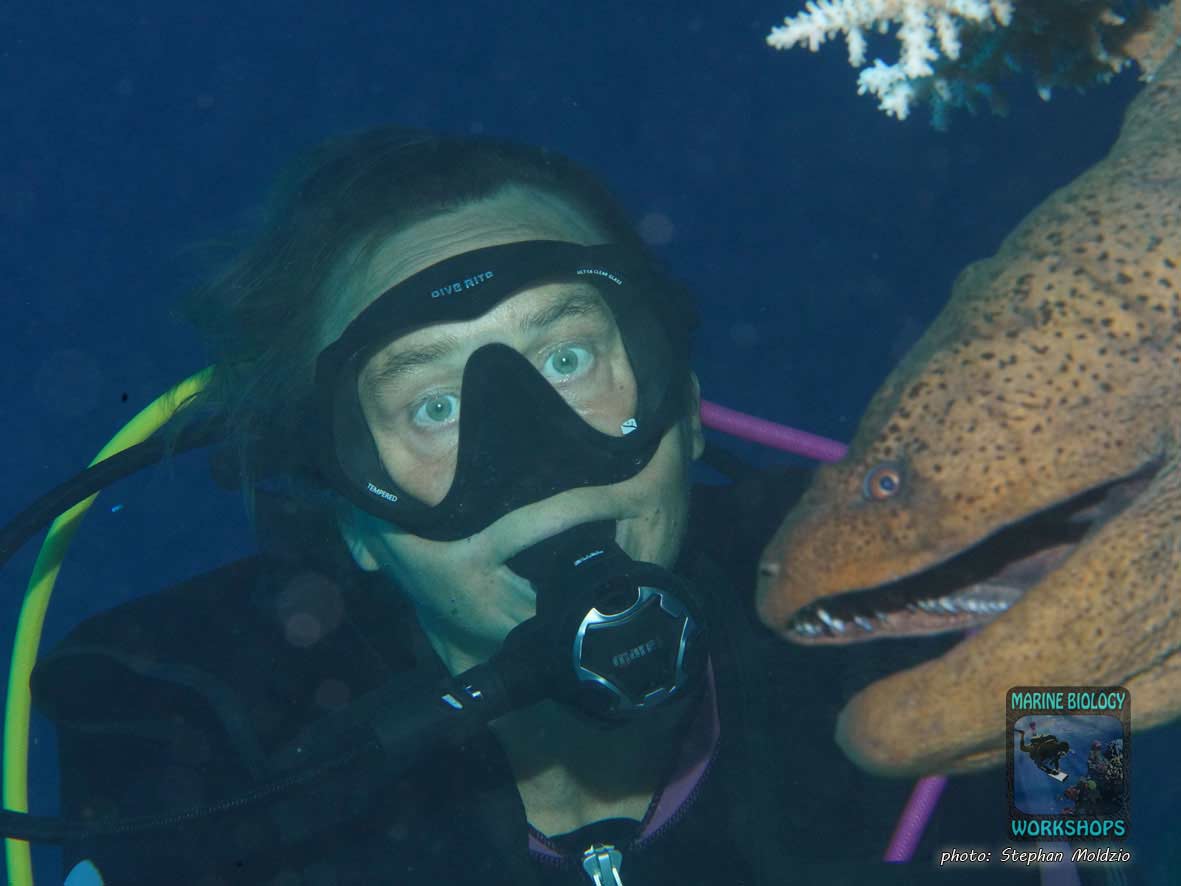
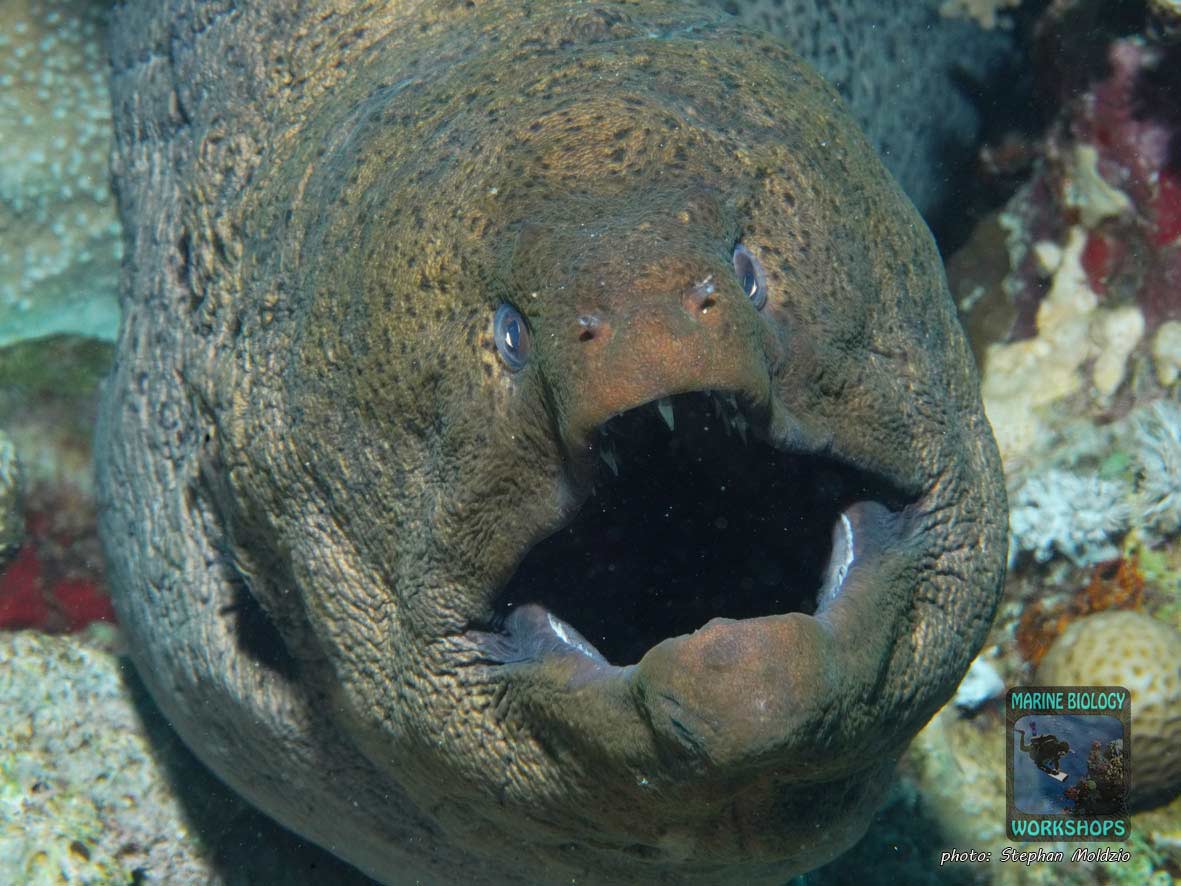
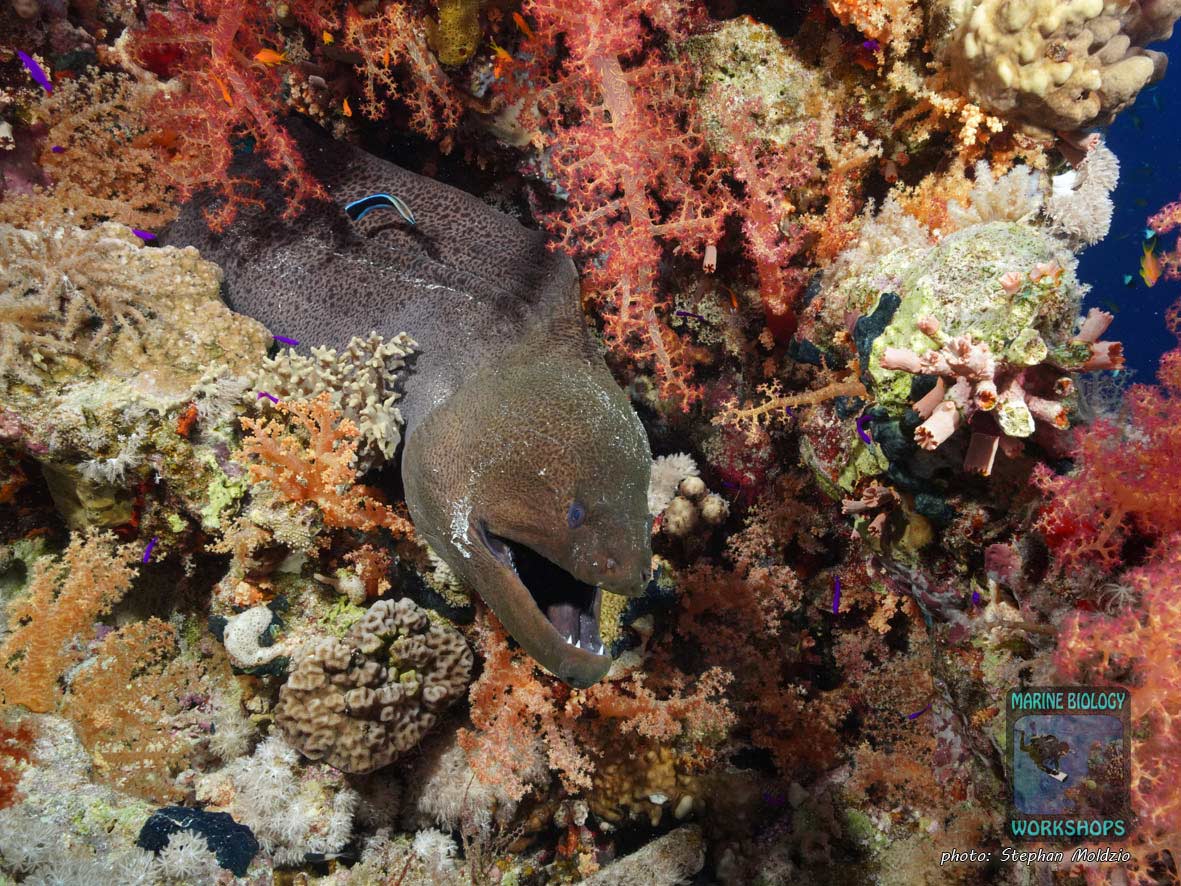
Giant moray eels (Gymnothorax javanicus) are encountered on practically every dive, but the most impressive specimen is found at the Umm Gammar dive site, where our night dive took place the previous evening.
Corals – The Builders of the Reefs
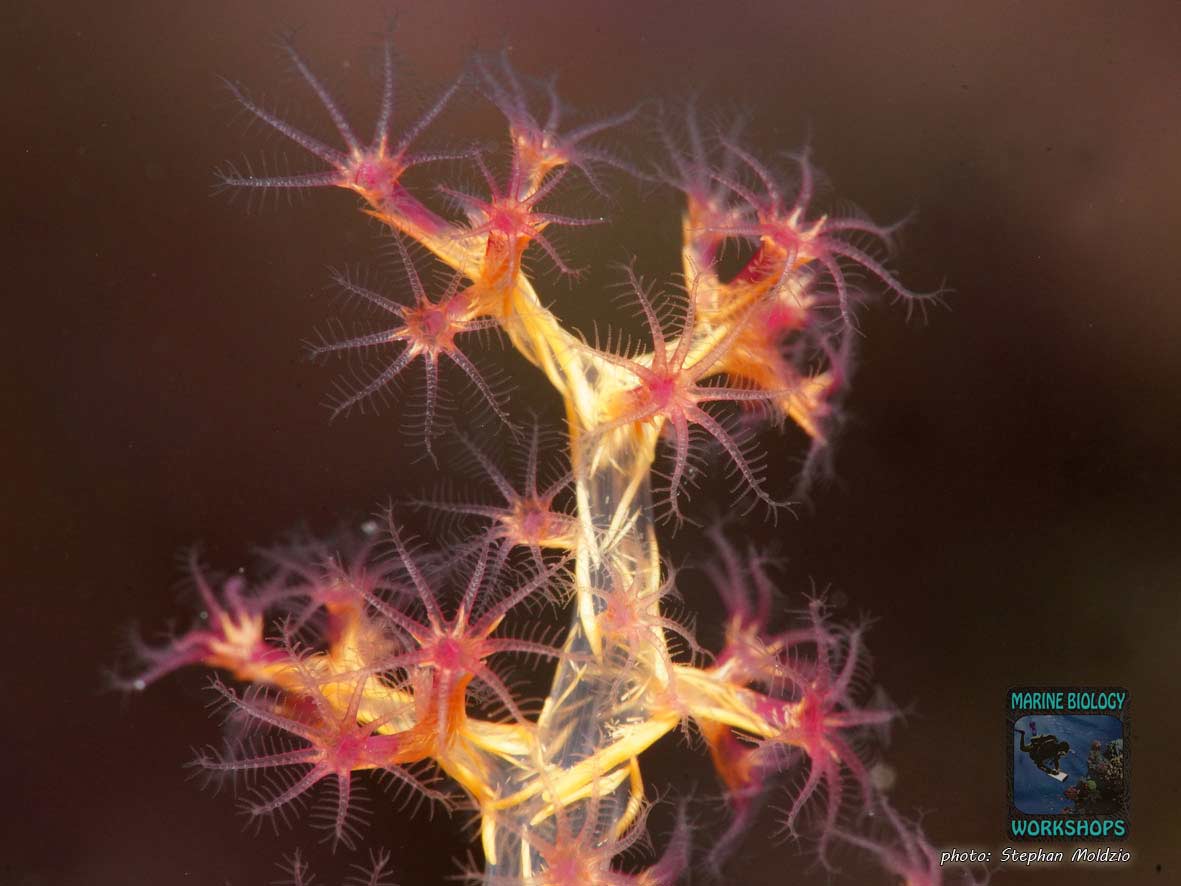

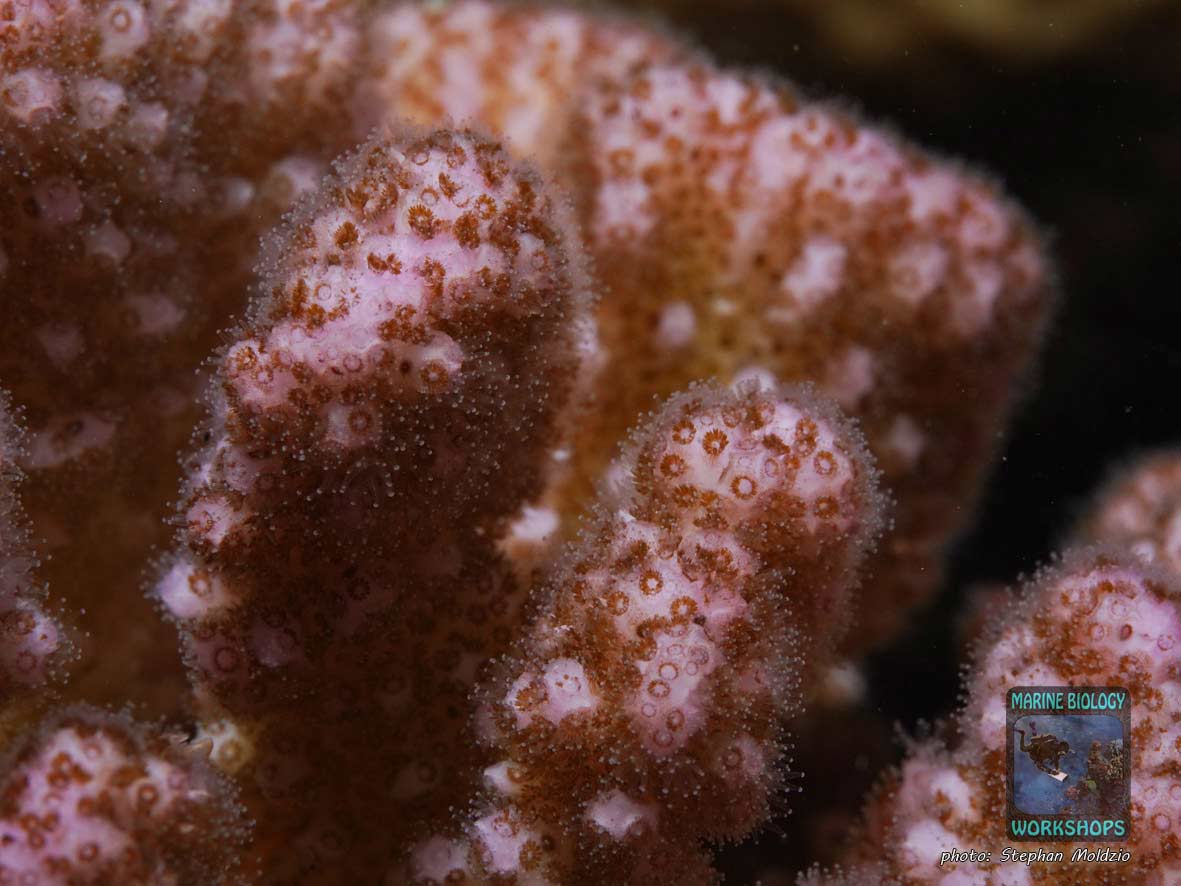
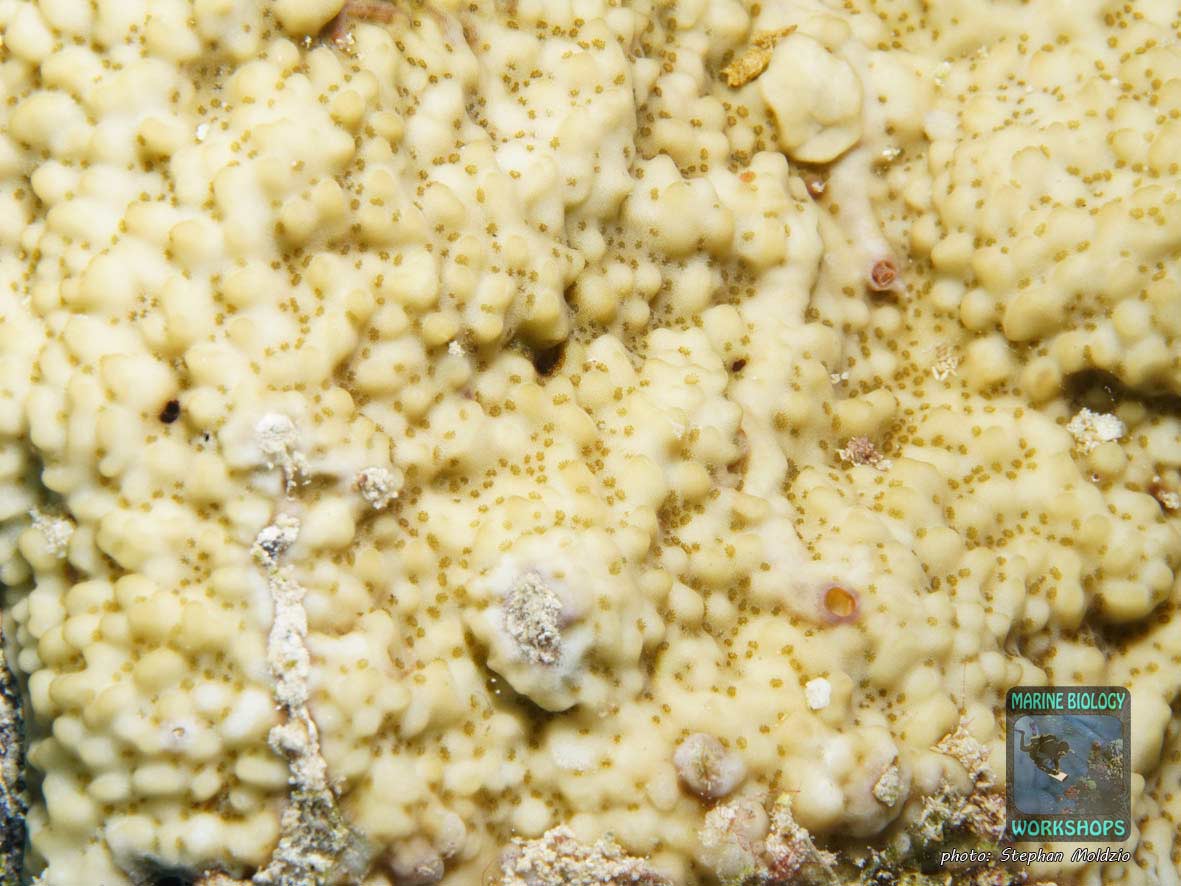

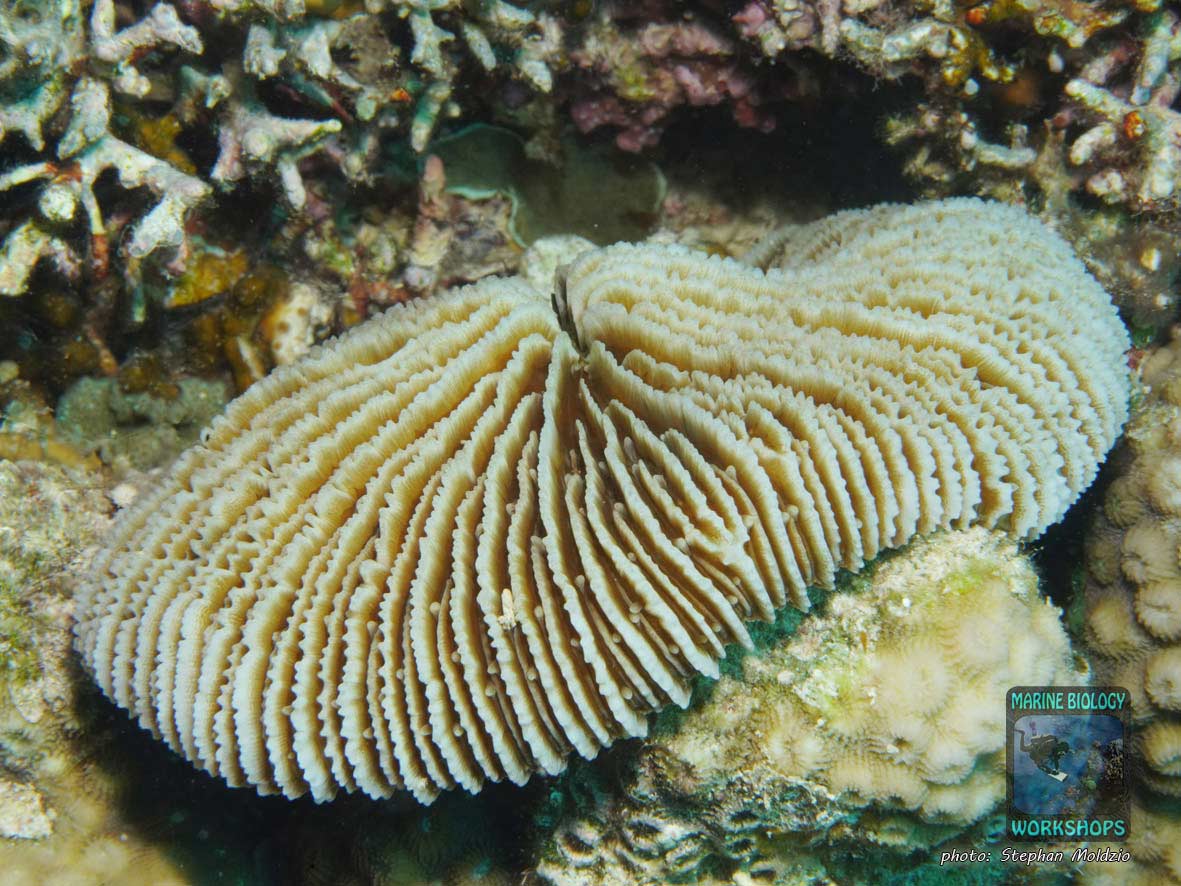
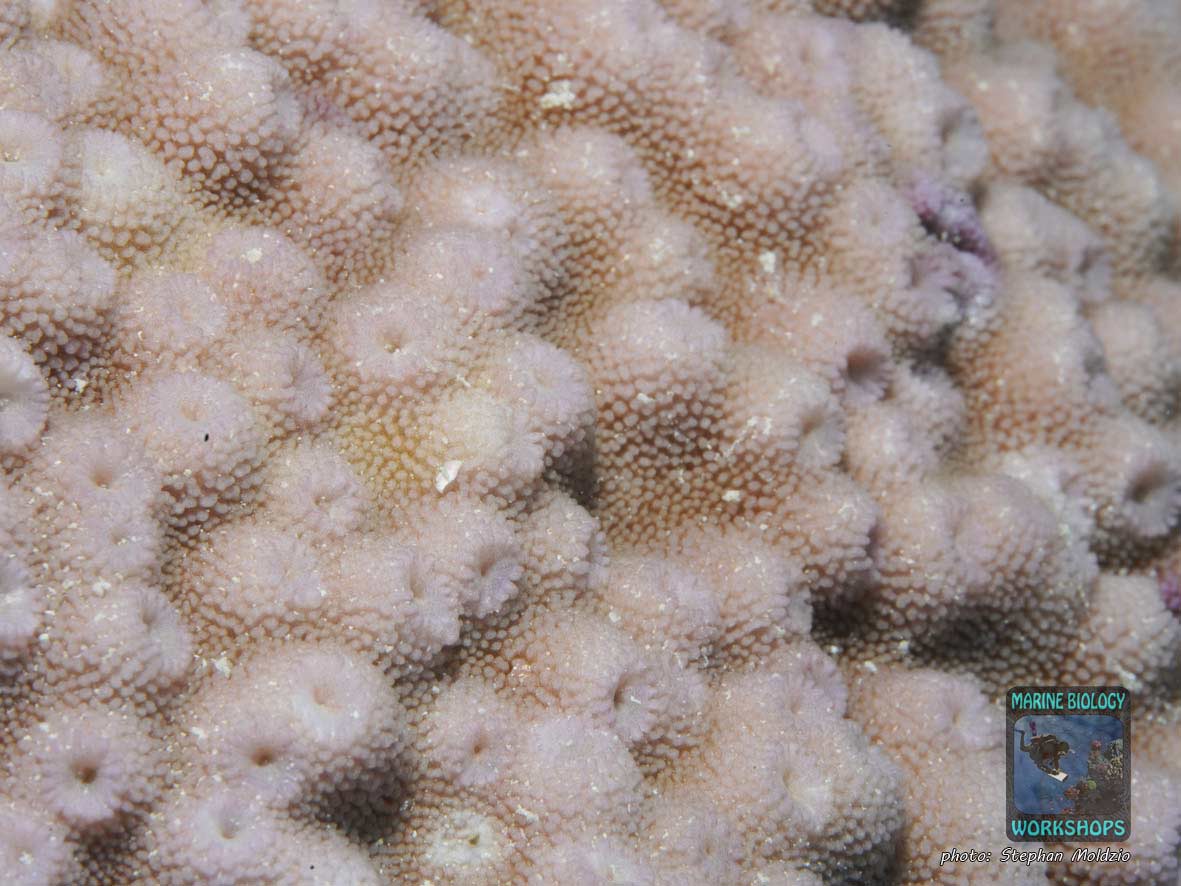
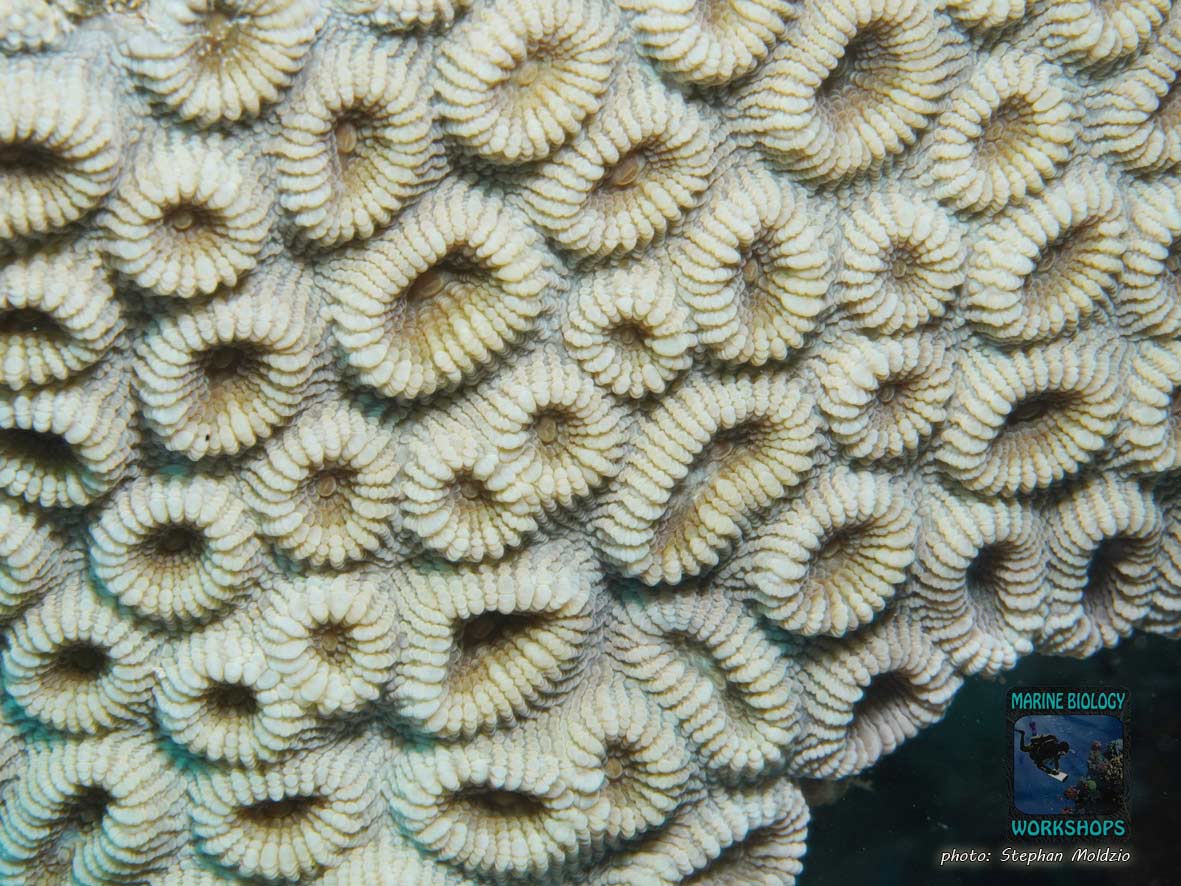
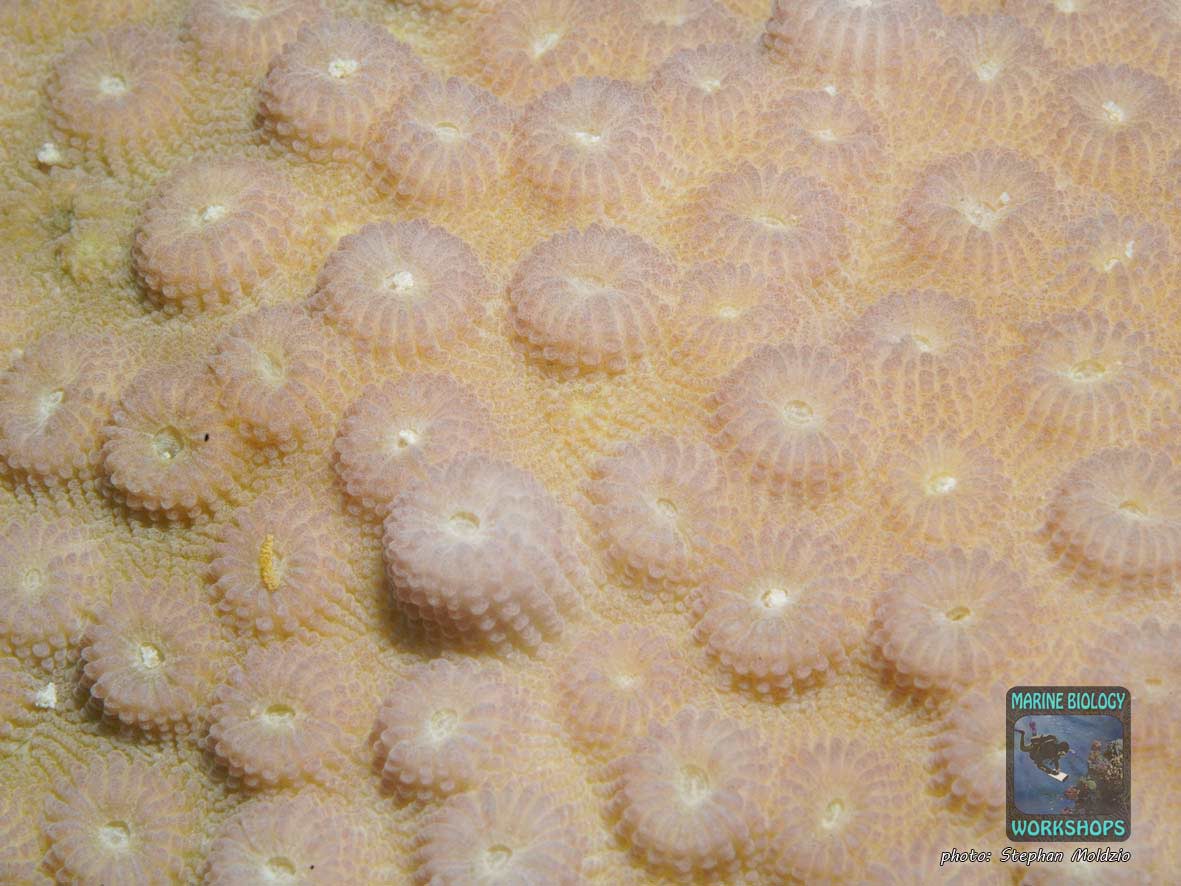
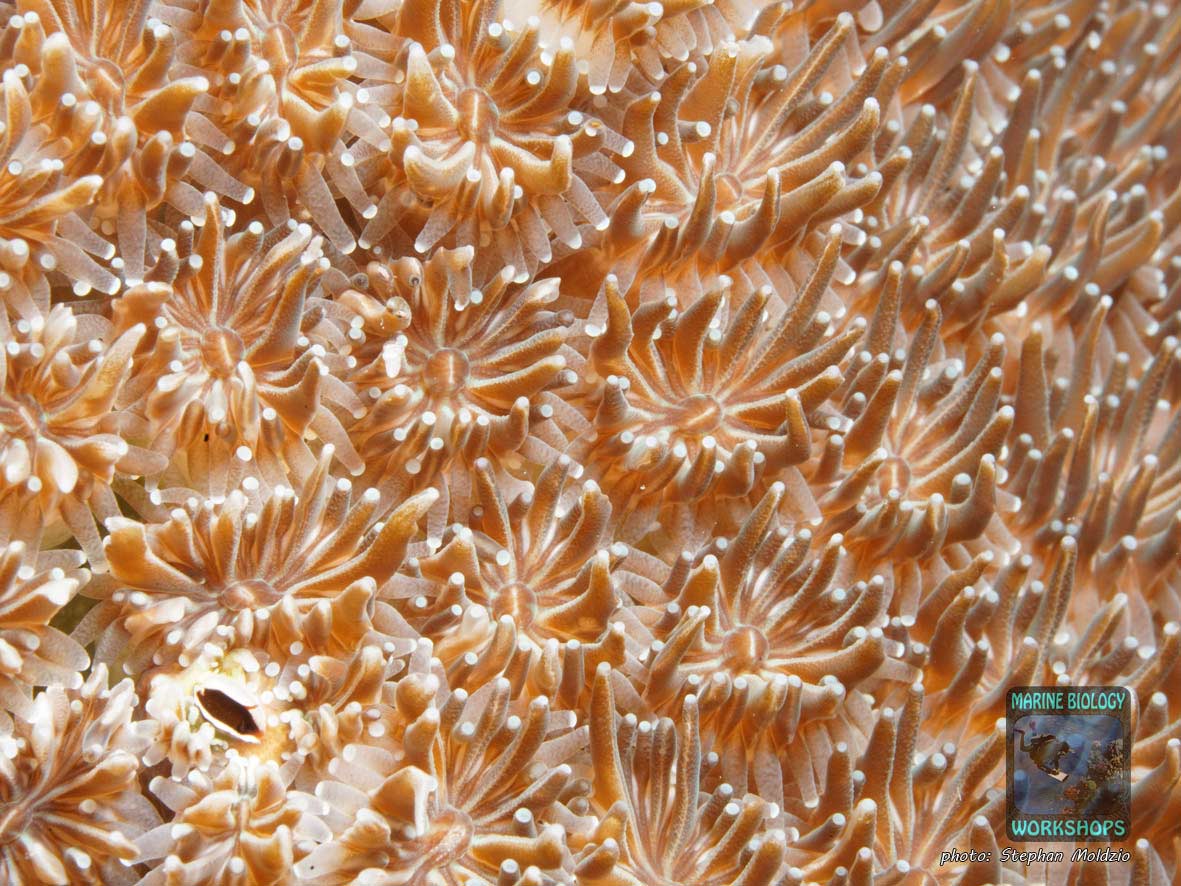
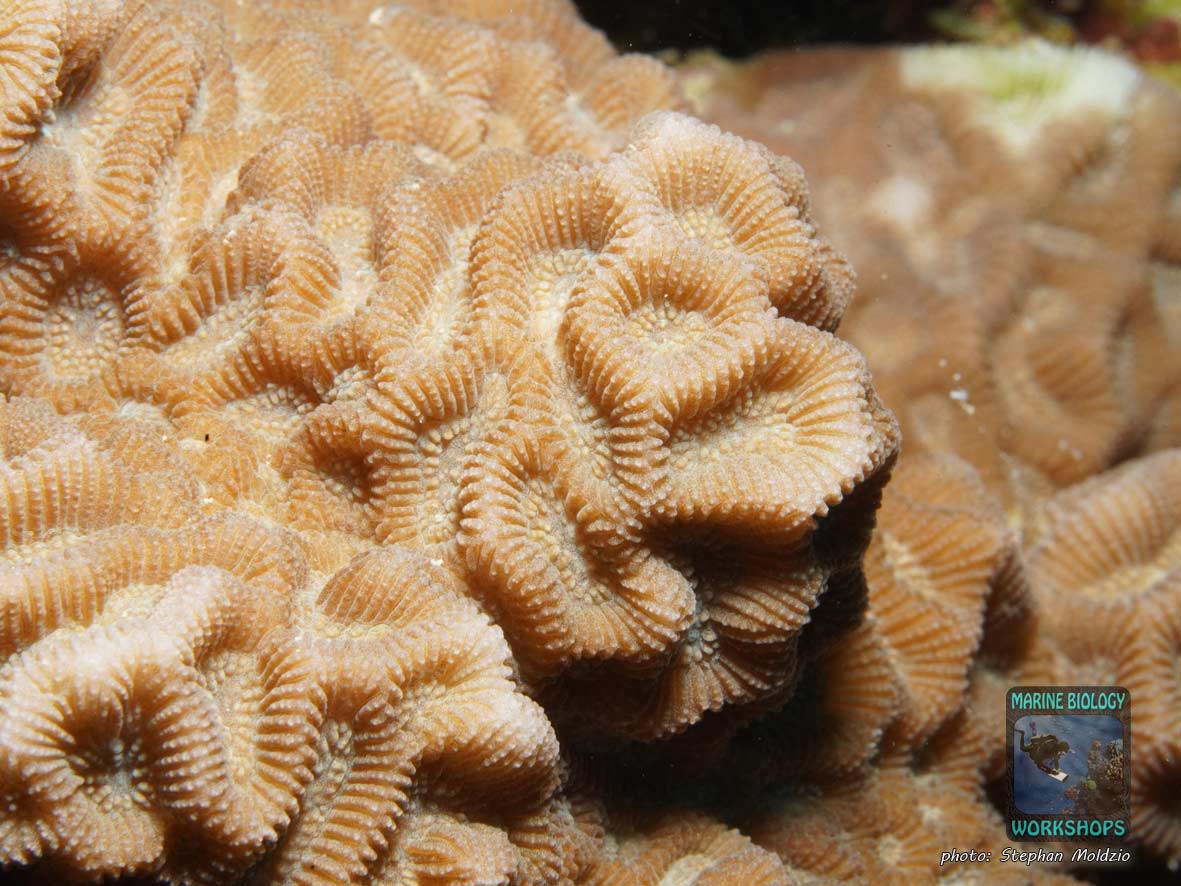
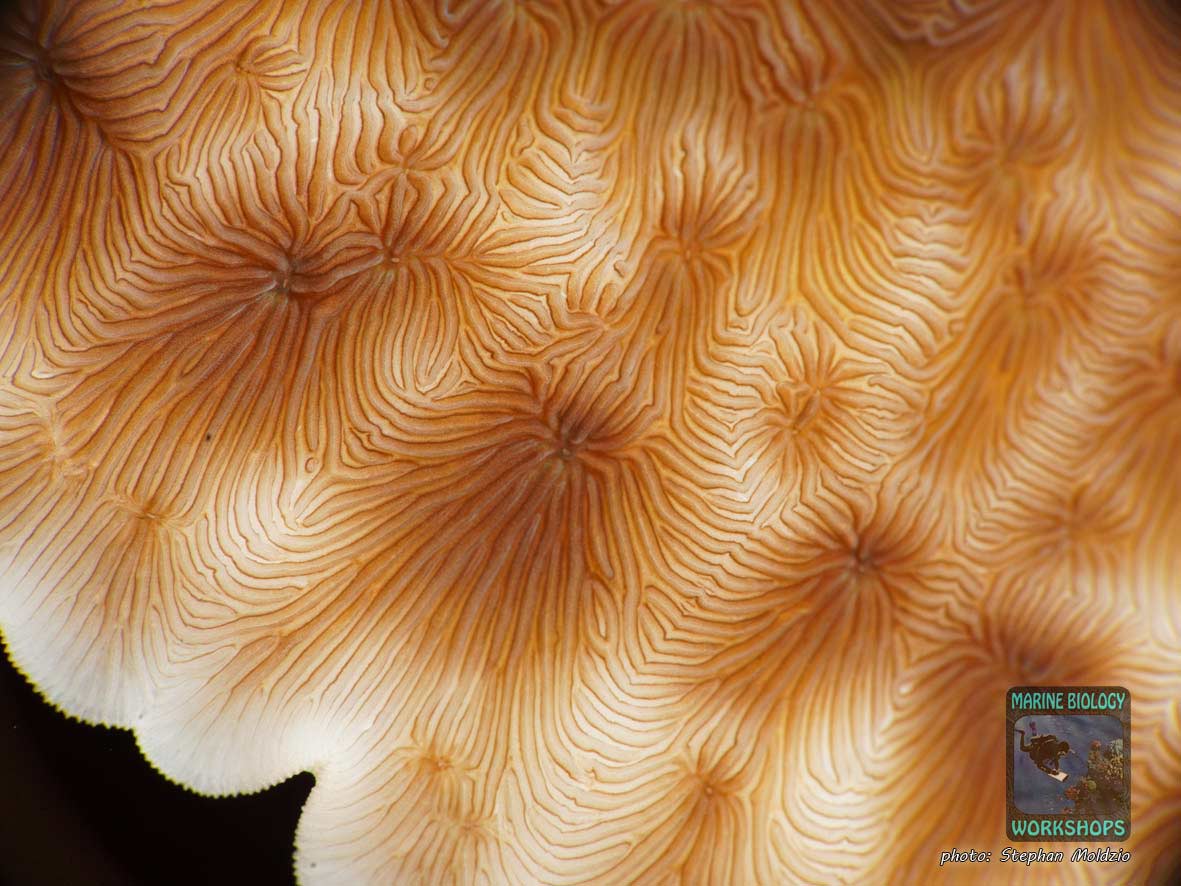
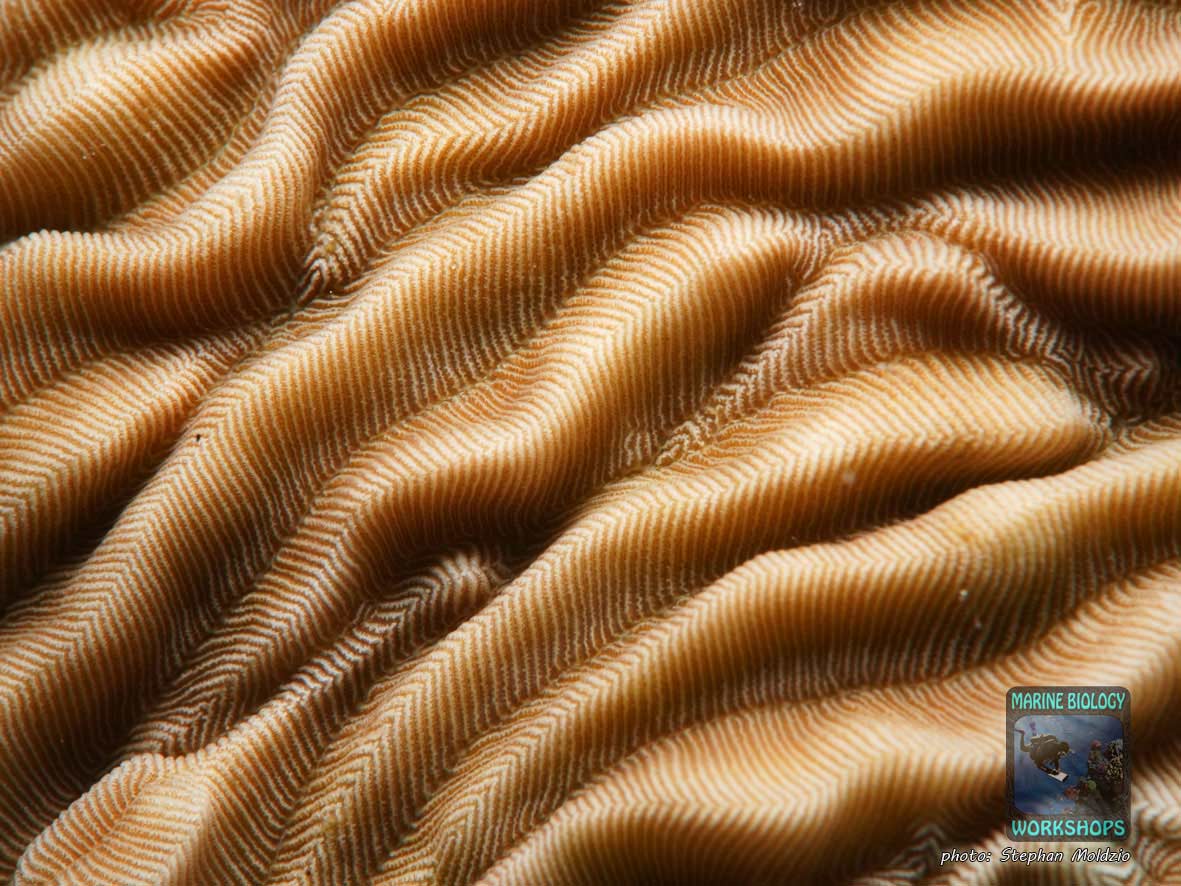
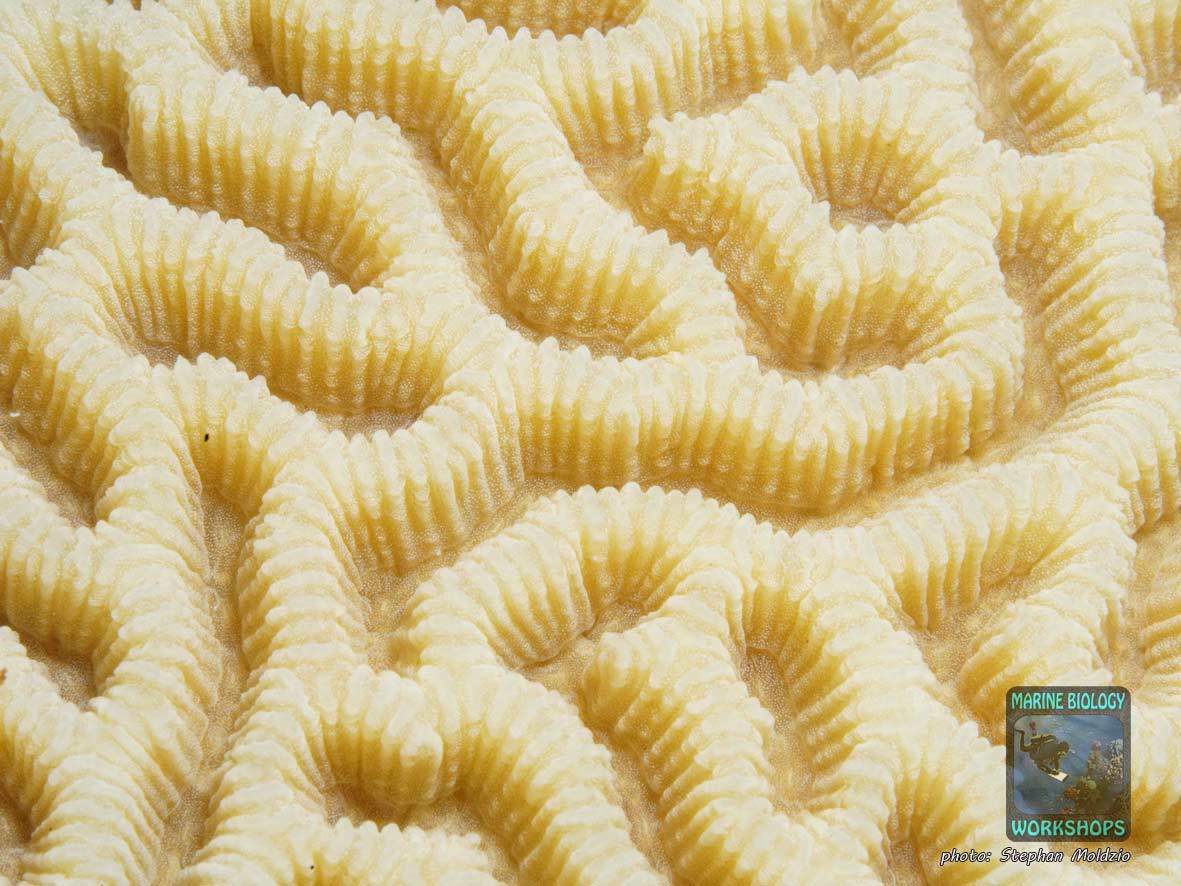
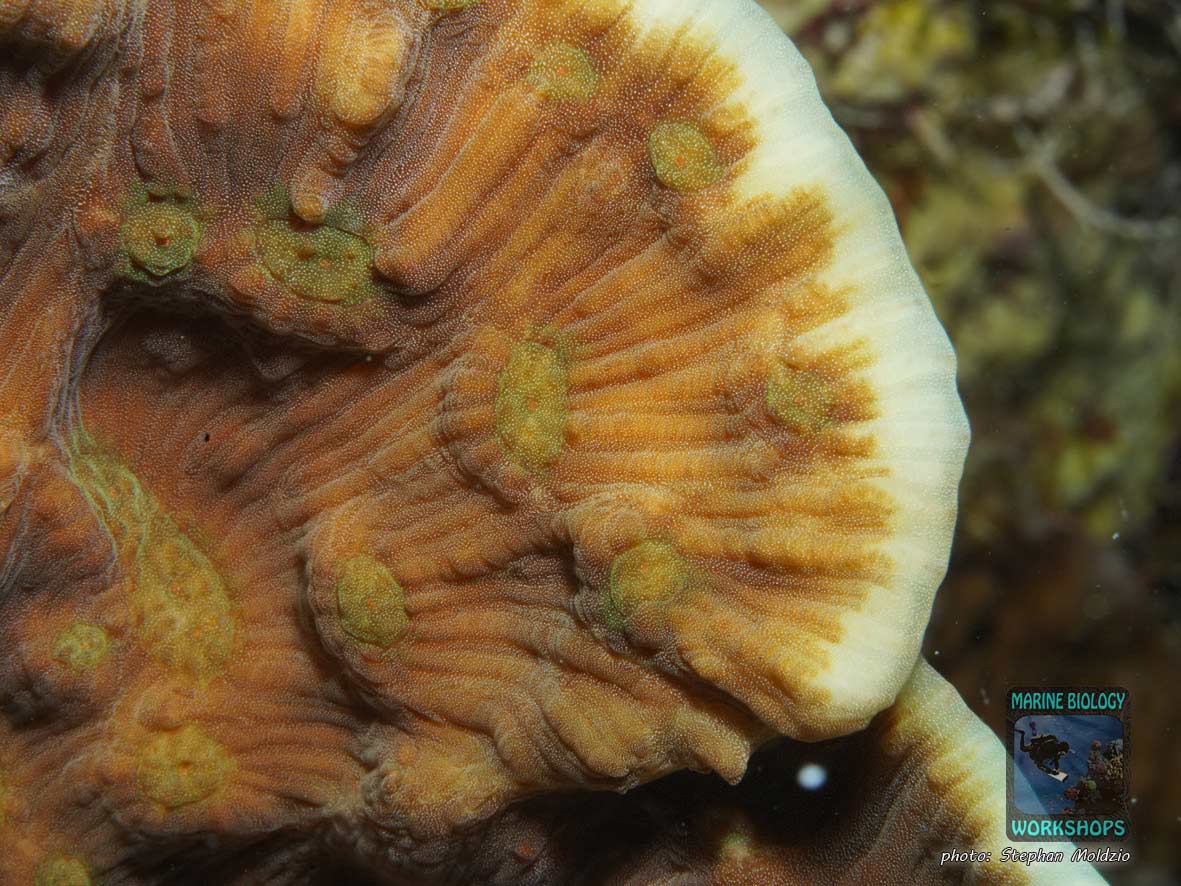
Stony corals (Scleractinia) are the main builders of coral reefs; they essentially create their own habitat. These ‘rainforests of the sea’ are home to an almost inconceivable diversity of species and life forms.
The corals themselves are also extremely diverse in the reefs of the Red Sea. They exhibit a variety of growth forms, ranging from massive to crust-like, plate-like, and branch-like. Stony corals are adapted to extremely nutrient-poor conditions with the help of their symbiotic algae (zooxanthellae), which live in their tissue. These cnidarians engage in a unique form of nutrient recycling with the zooxanthellae: the algae provide the coral with sugars and other organic substances in exchange for valuable inorganic nutrients.
This partnership enables the corals to grow quickly and compete with macroalgae.
If you would like to learn more about these fascinating animals, we highly recommend our marine biology workshops and Reef Check courses.
Diversity of Invertebrate Animals
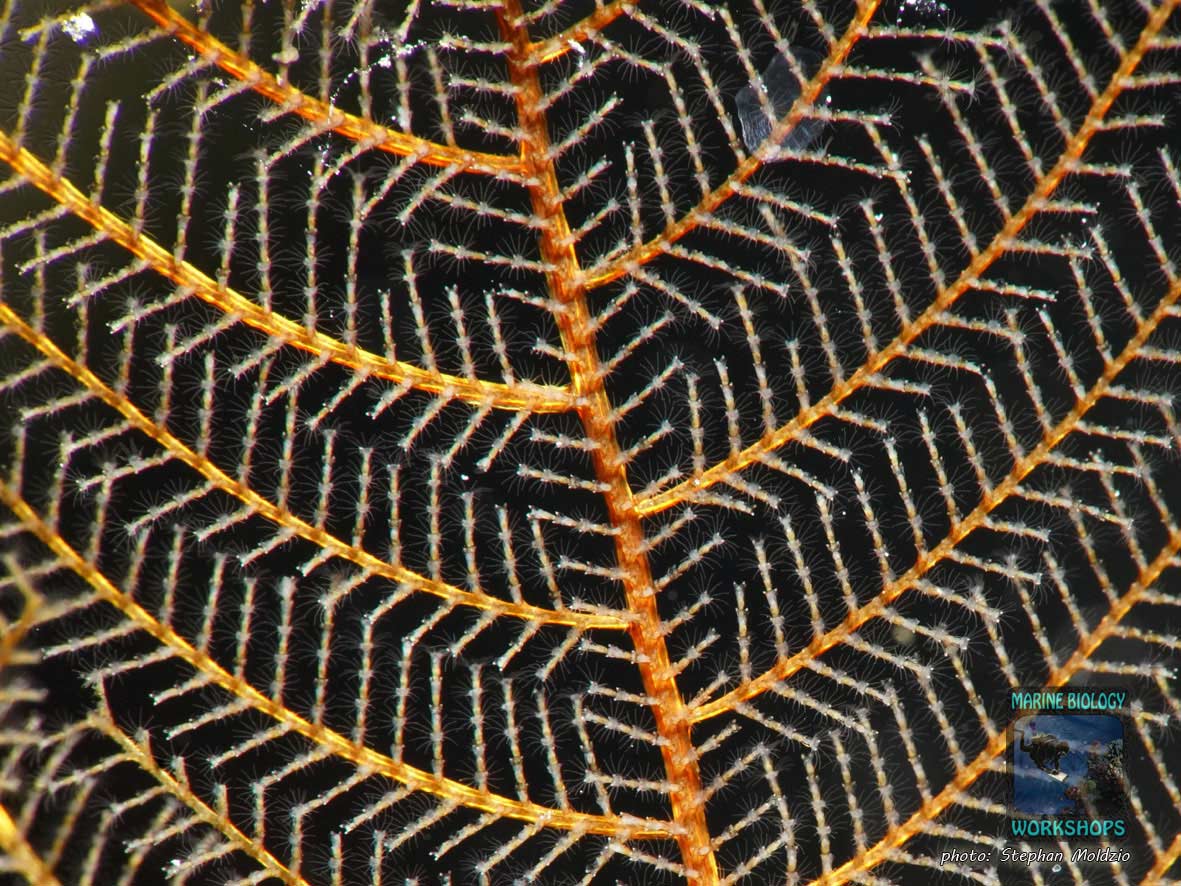
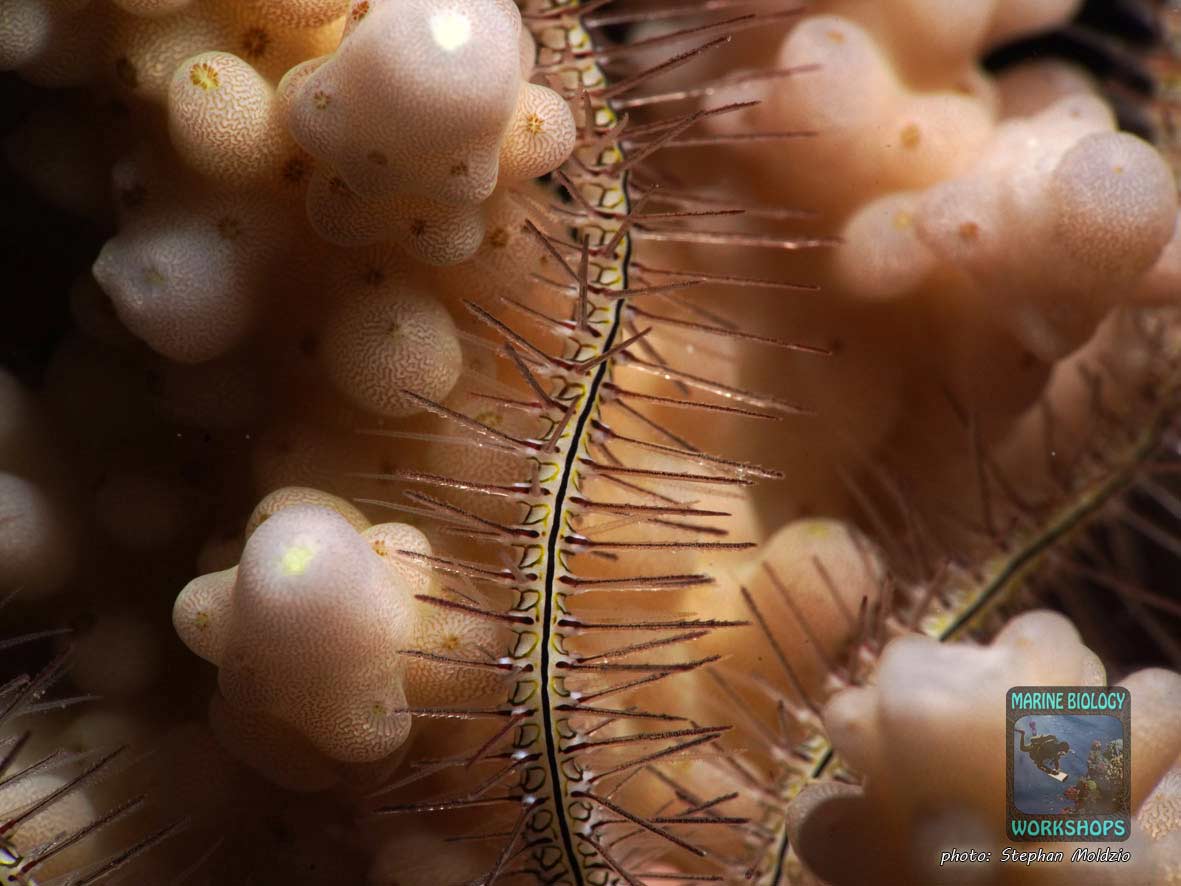
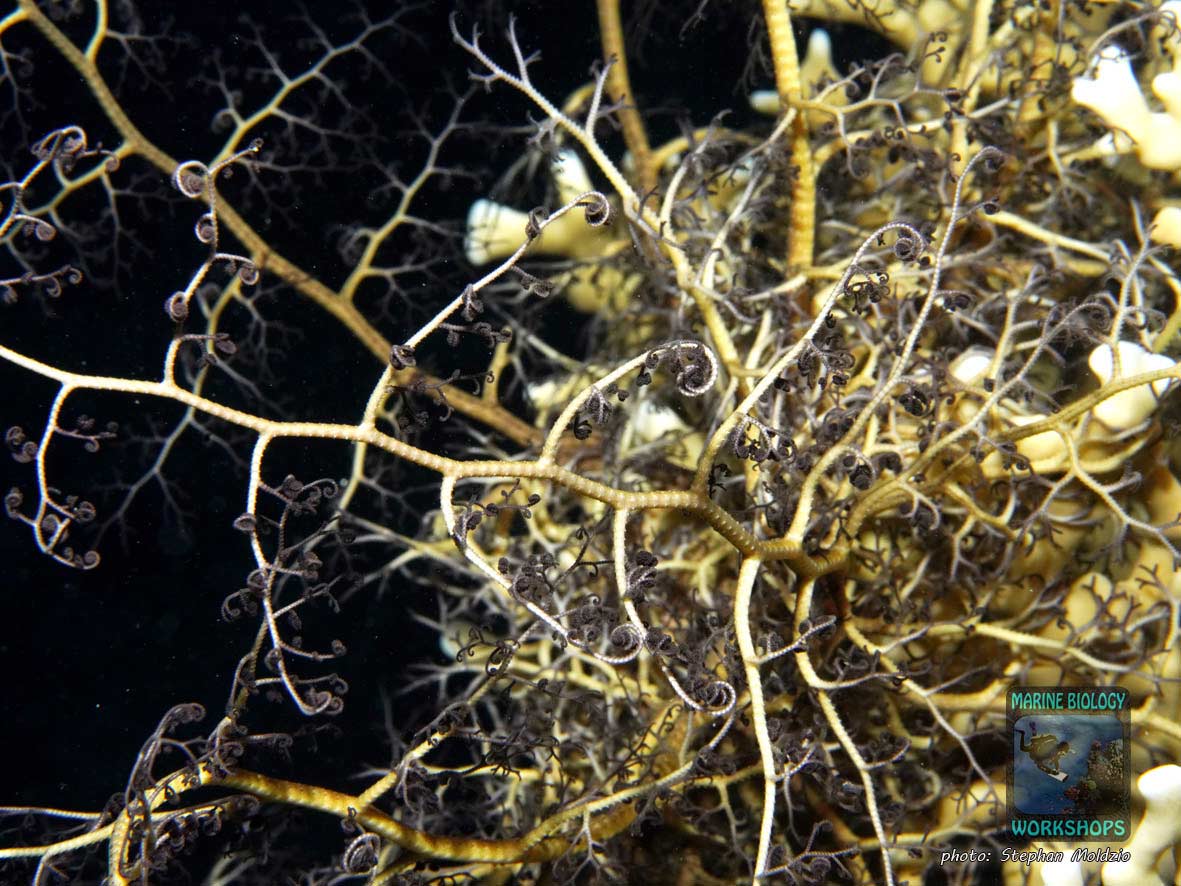
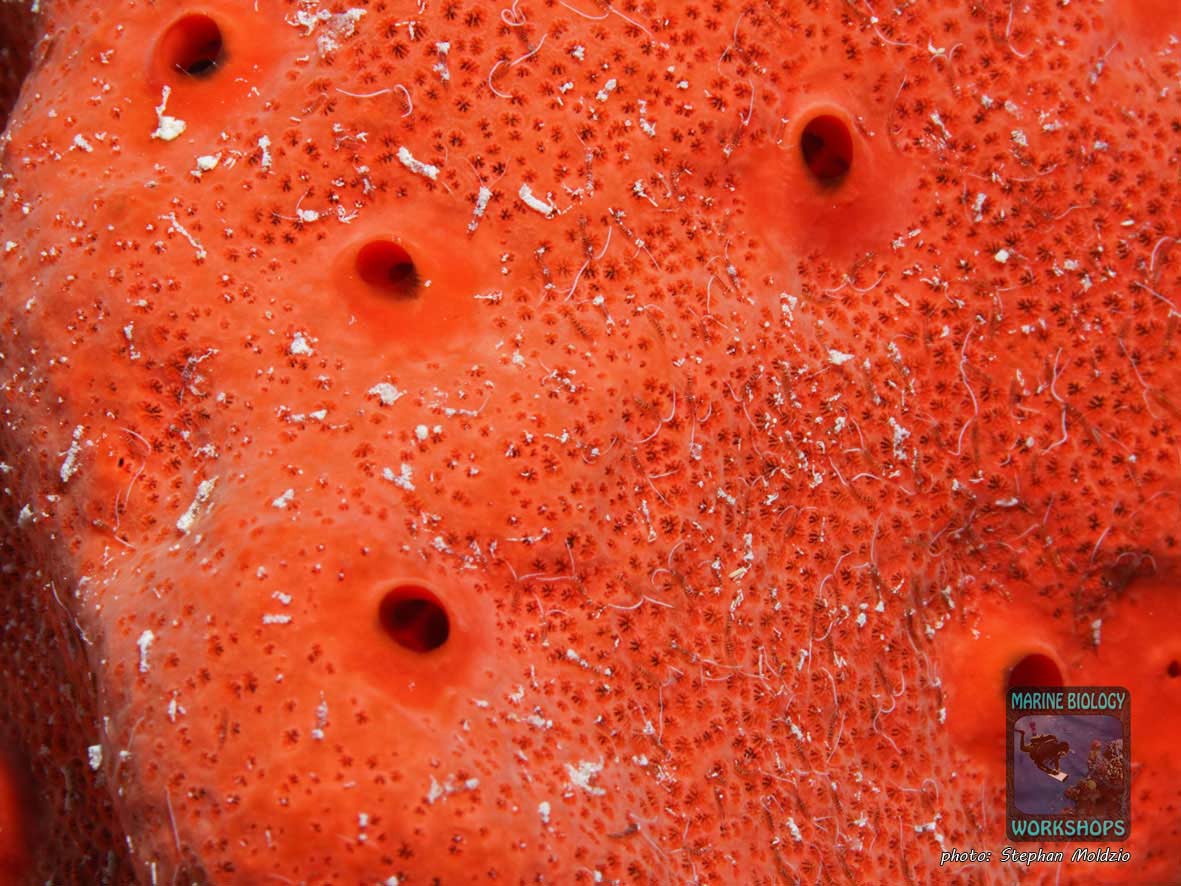
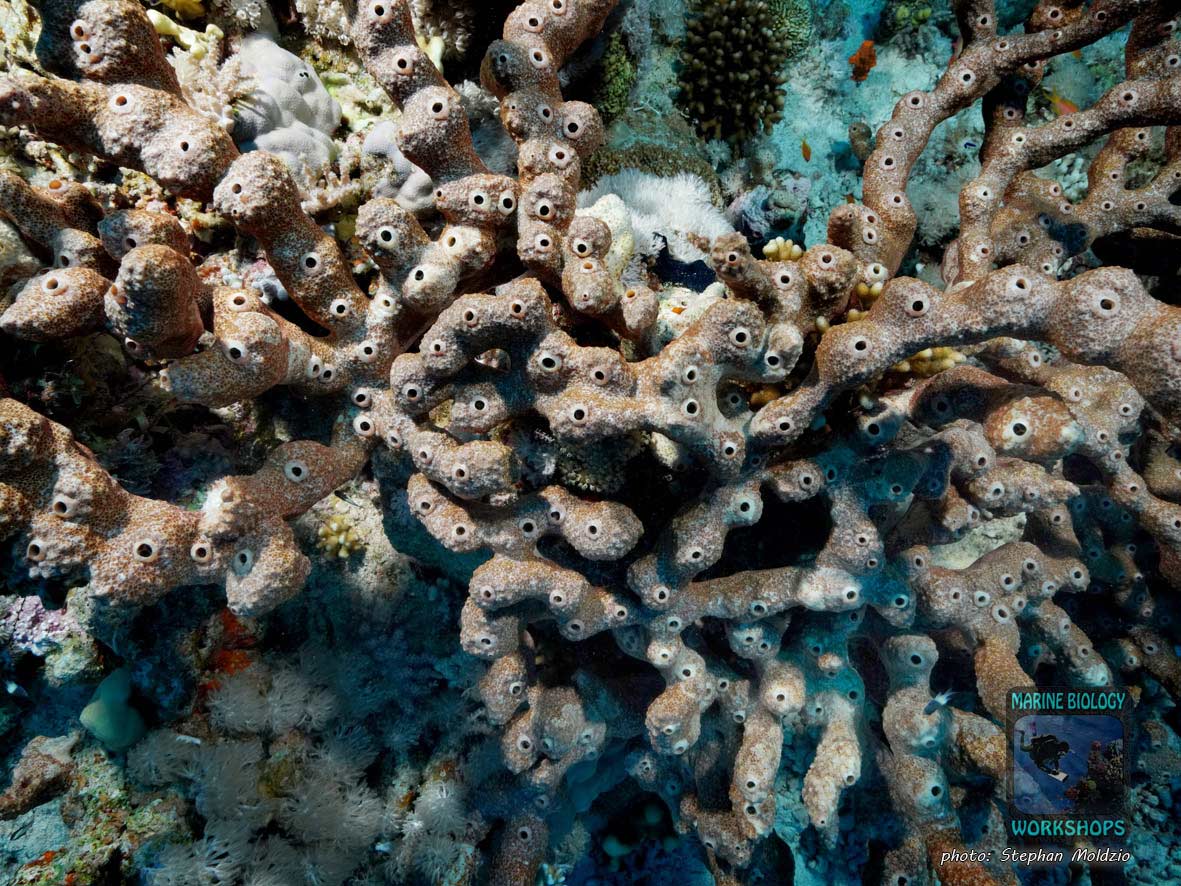
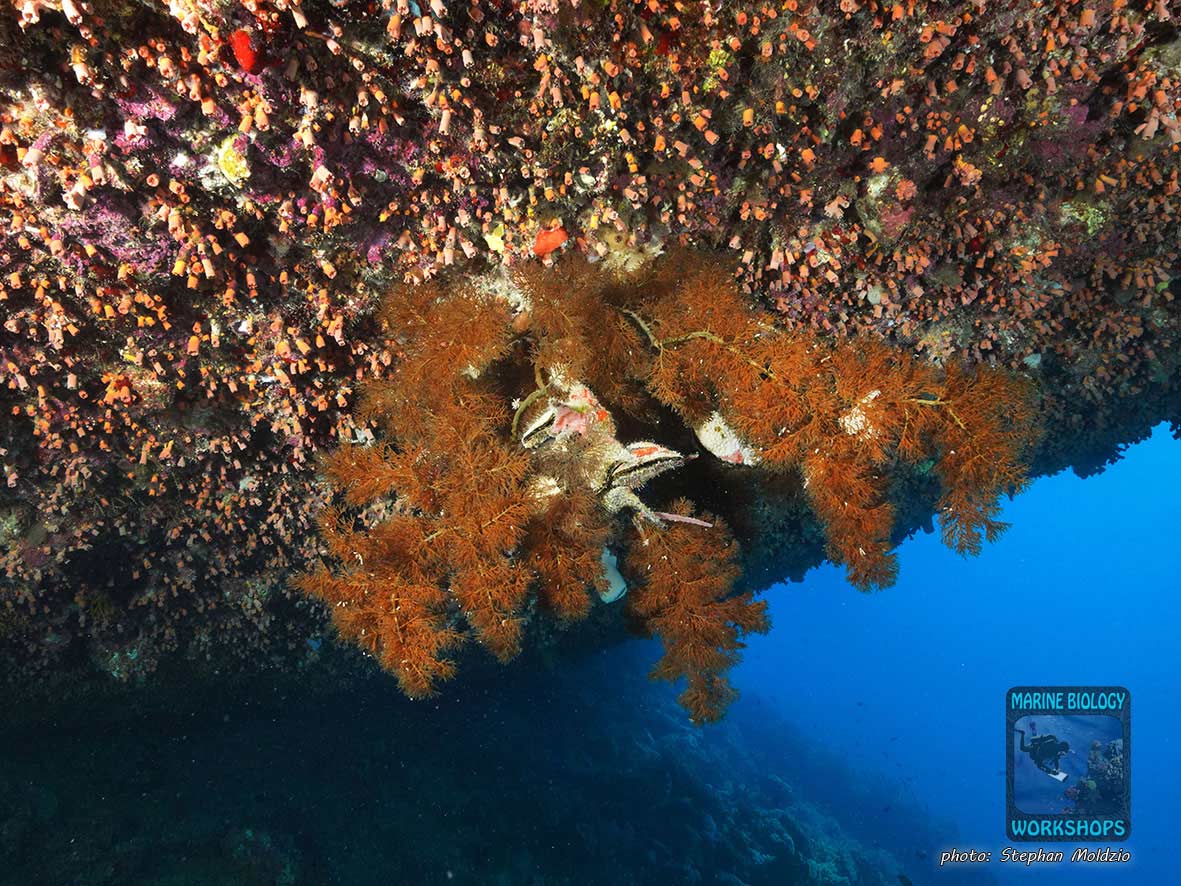
The world of invertebrates is really exciting. All kinds of life forms from many different animal groups can be found here, including crustaceans, molluscs, echinoderms, bristle worms, jellyfish, hydrozoans and sponges, to name but a few.
This diversity is a reminder that life originated in the sea.
One particularly bizarre example is the nocturnal gorgonian head (Astroboa nuda), which belongs to the brittle star family. During the day, it hides in the reef’s crevices and only emerges at night to fan out and catch plankton. It is highly sensitive to light and will slowly retreat when illuminated by a normal diving torch. However, it cannot perceive red light, so you can observe it undisturbed during a night dive using a torch with a red filter.
Exciting Dives on Various Wrecks
After some fantastic dives on pristine reefs between Ras Mohammed and Tiran, we will head back to Hurghada.
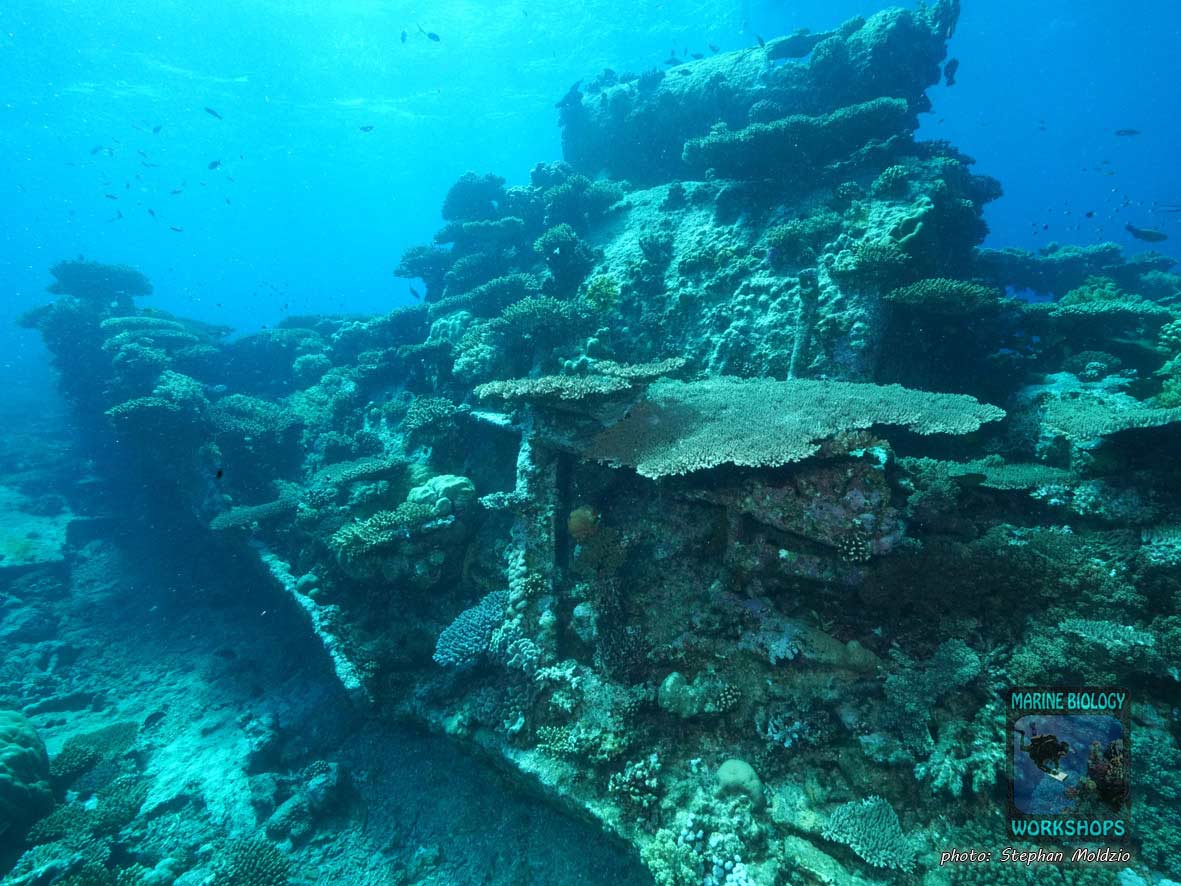
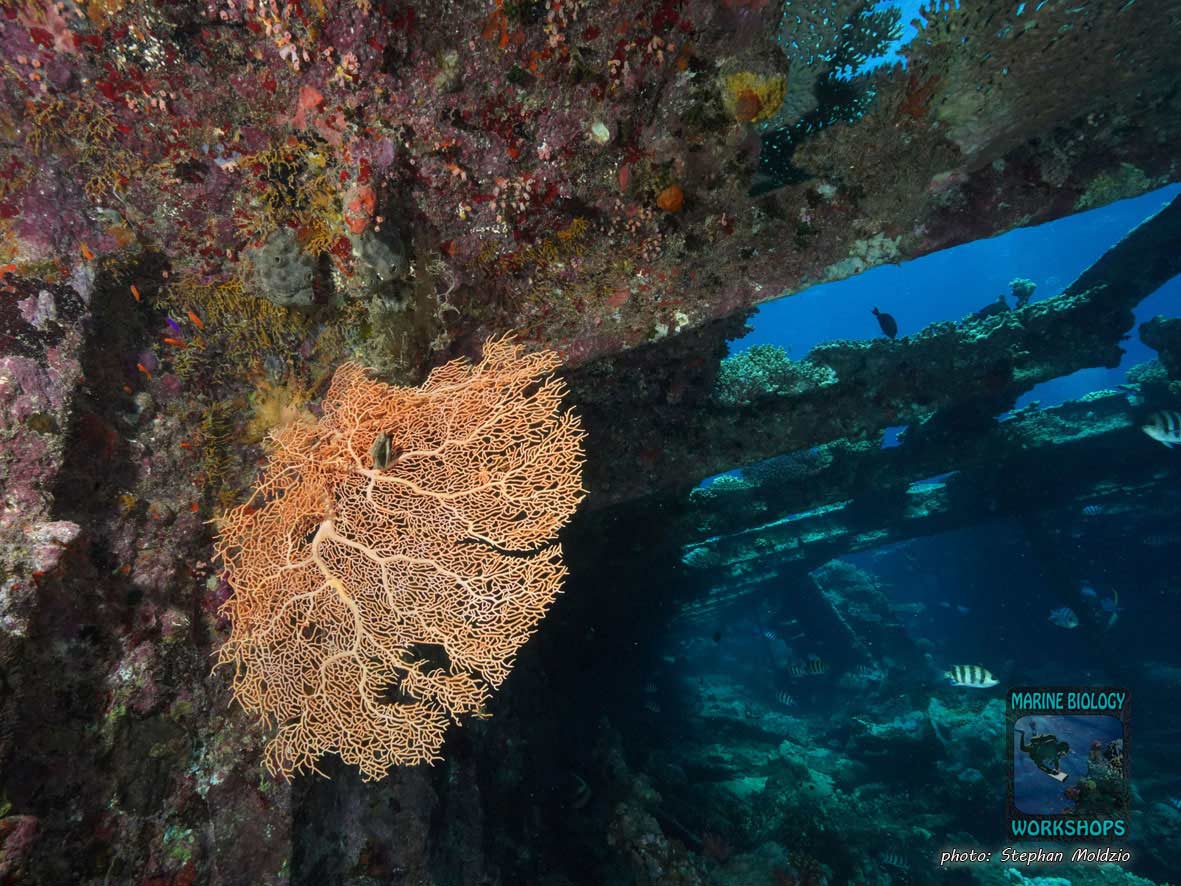
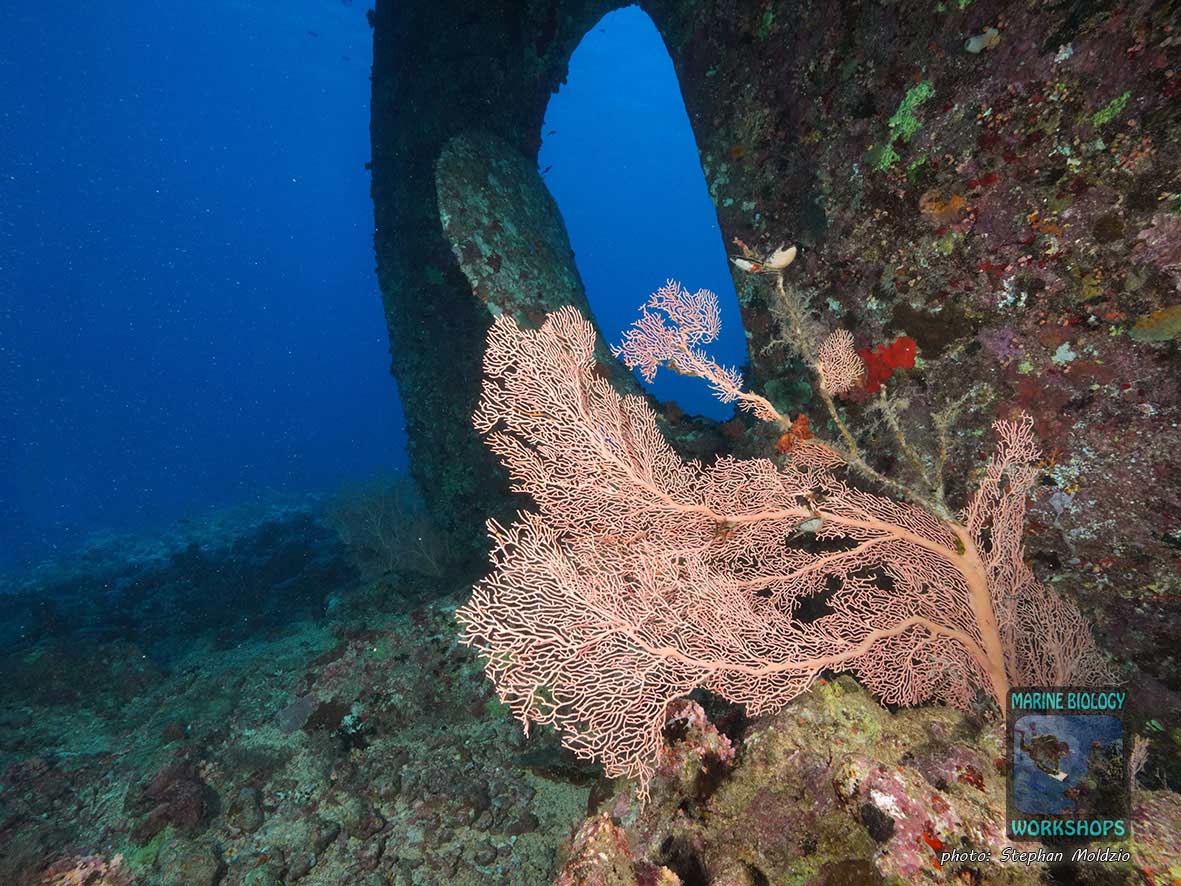
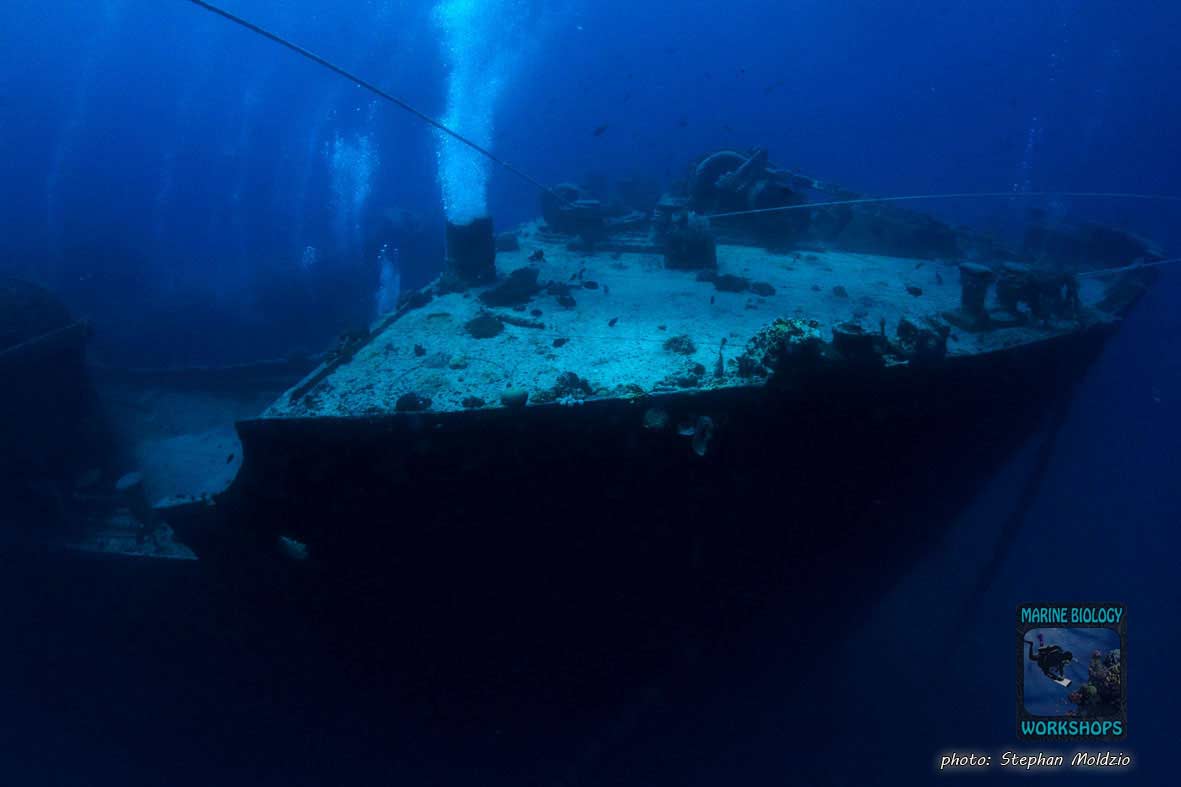
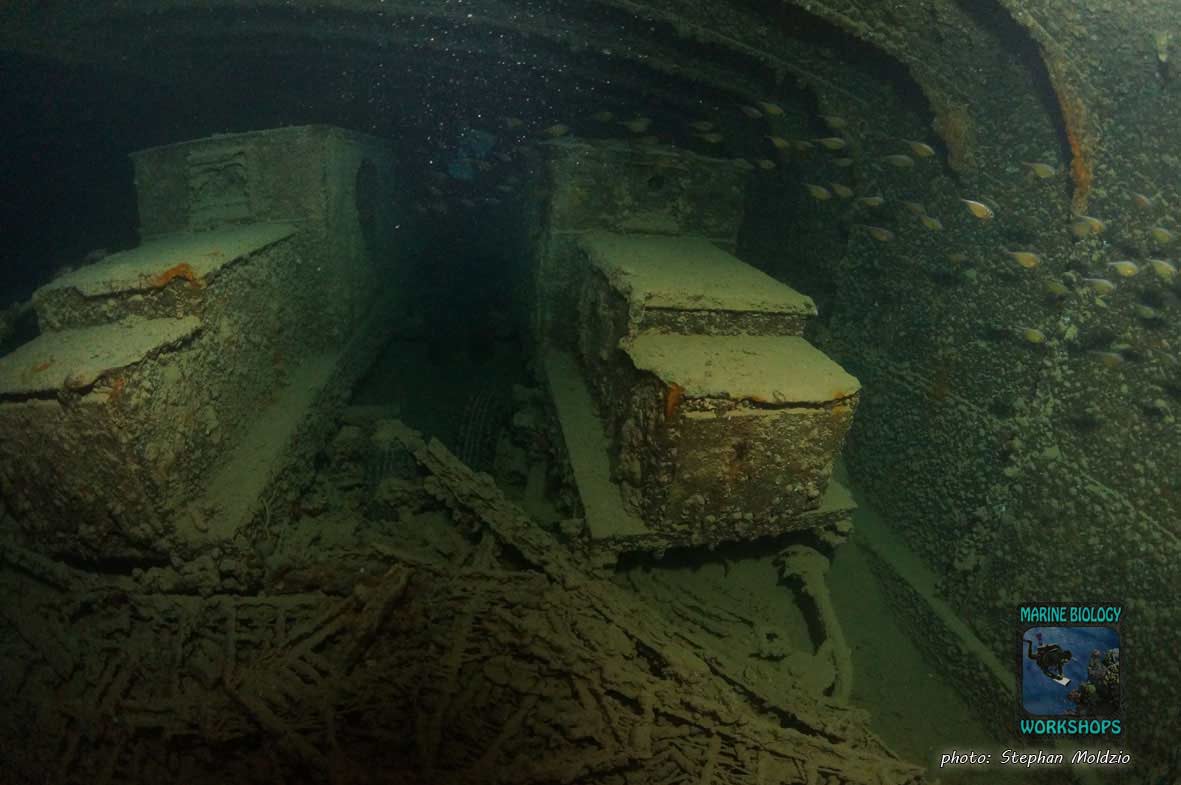
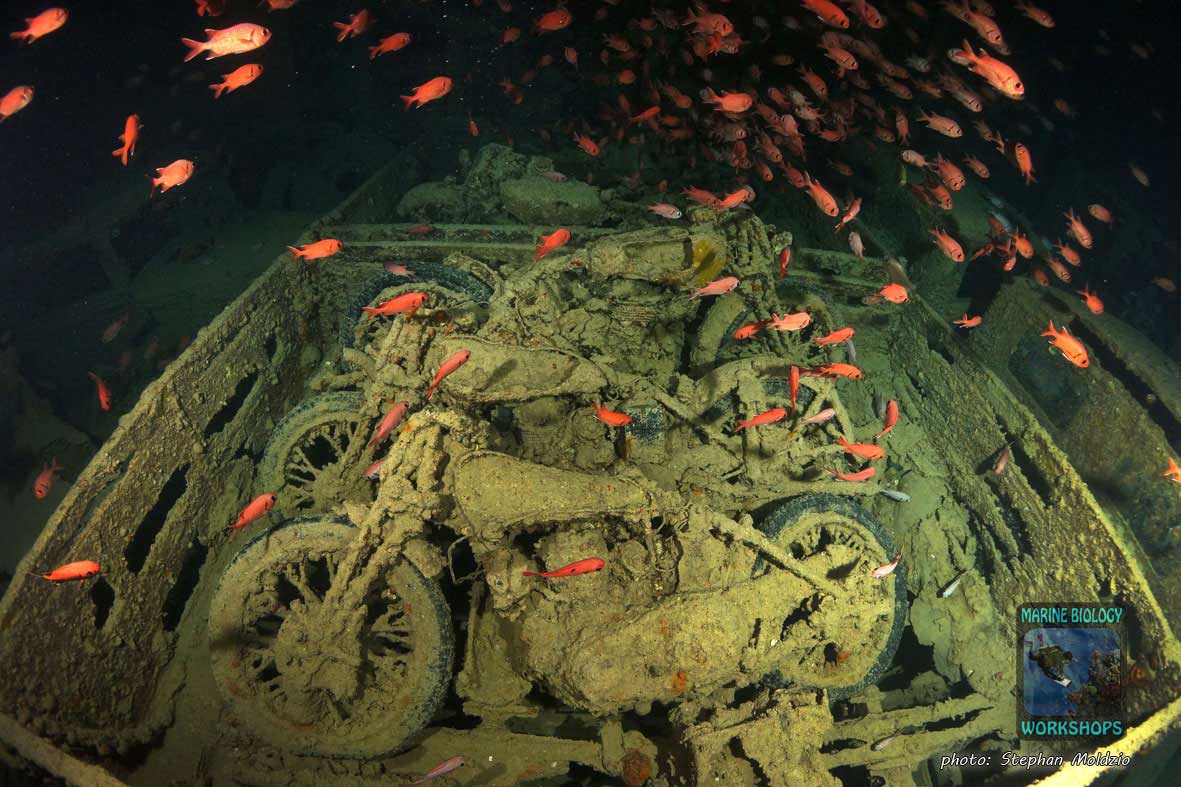
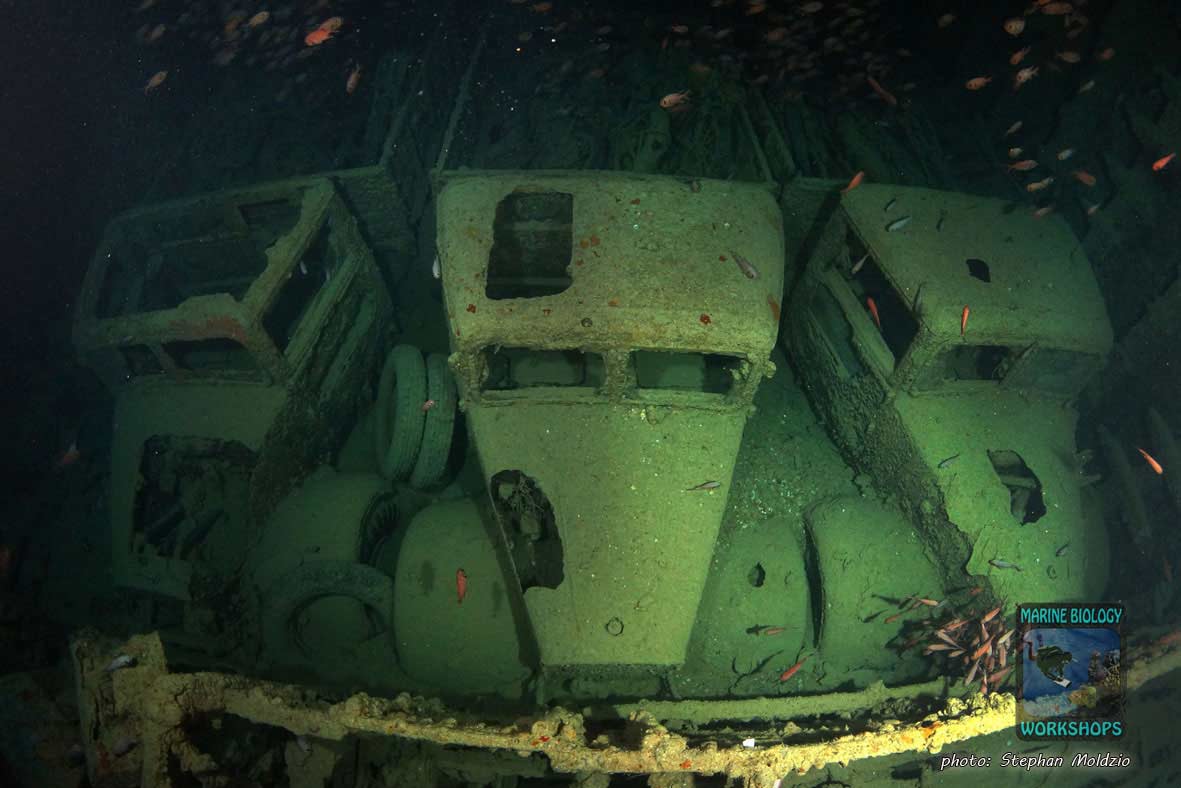
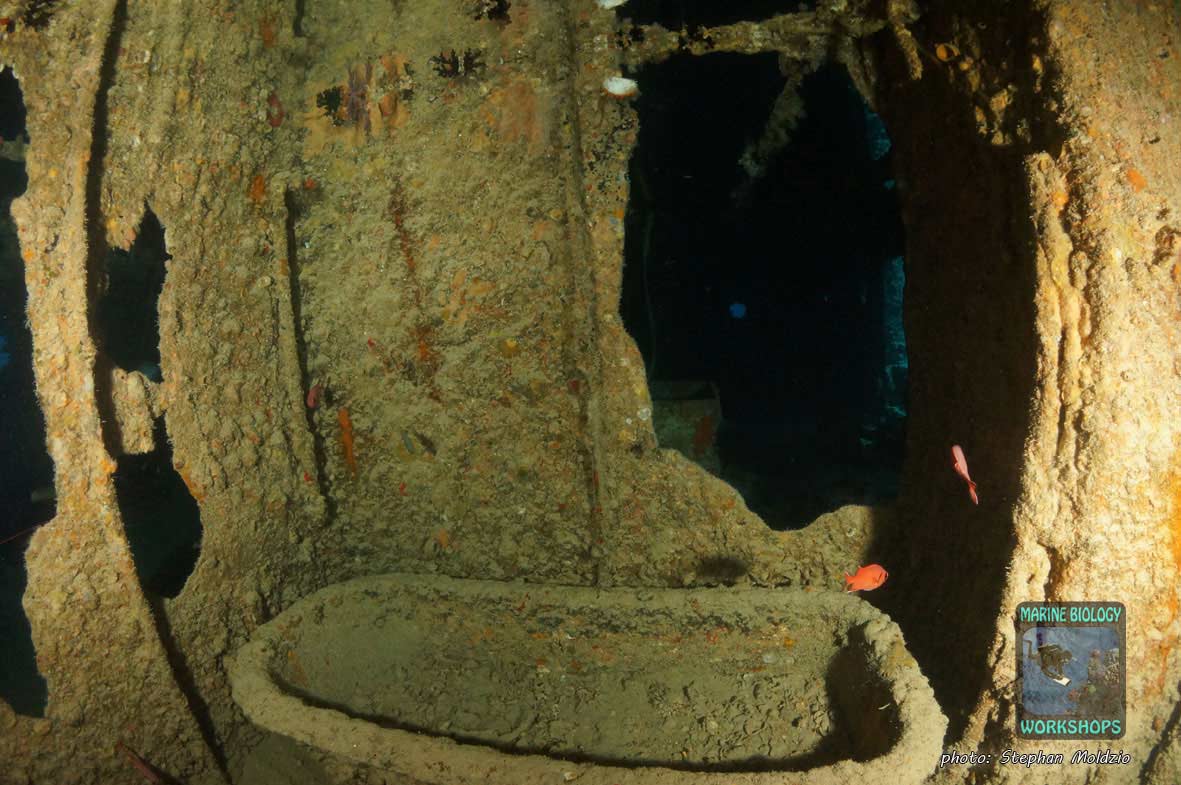
But there are more highlights in store for us here, too: thrilling wreck dives on the Kingston, the Carnatic, the Dunraven and the legendary Thistlegorm – one of the world’s most famous wrecks.
Here are some pictures and facts:
The Kingston Wreck at Shag Rock
The Carnatic Wreck
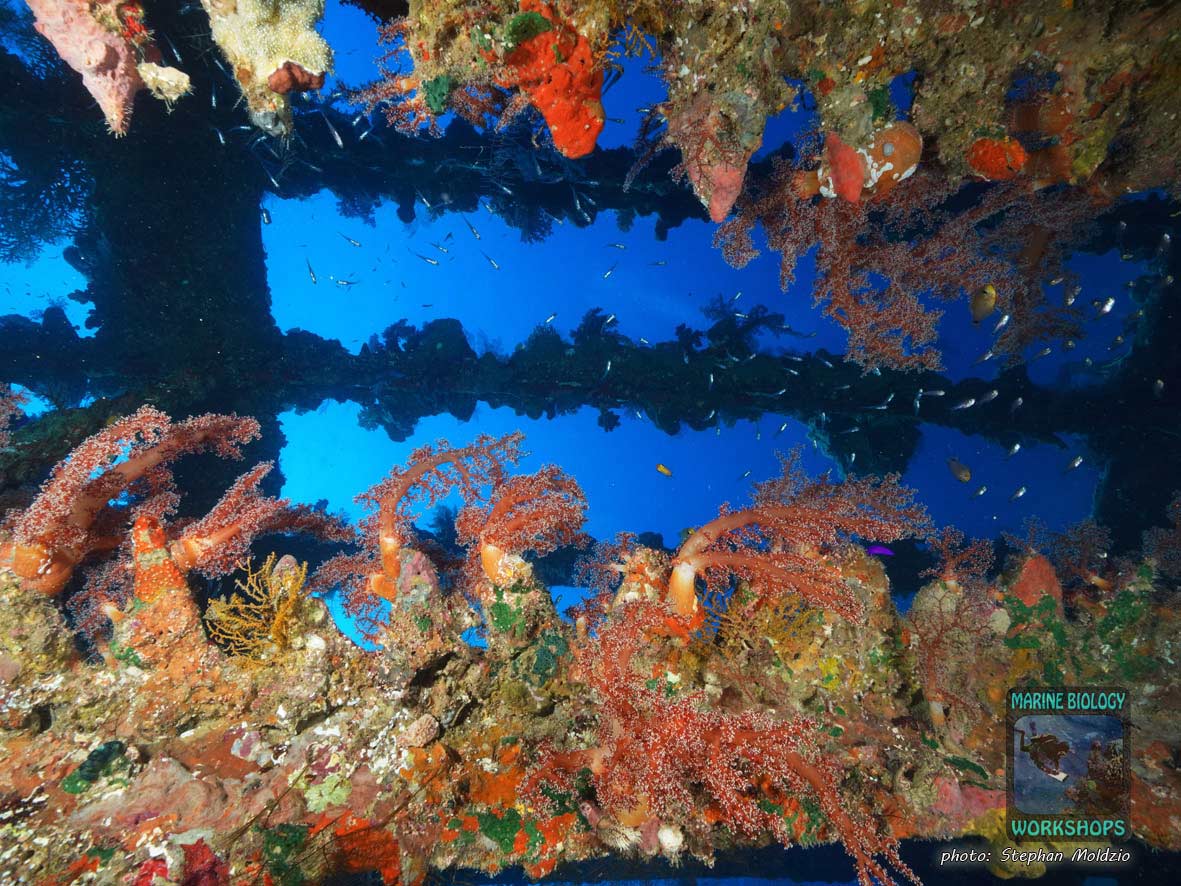
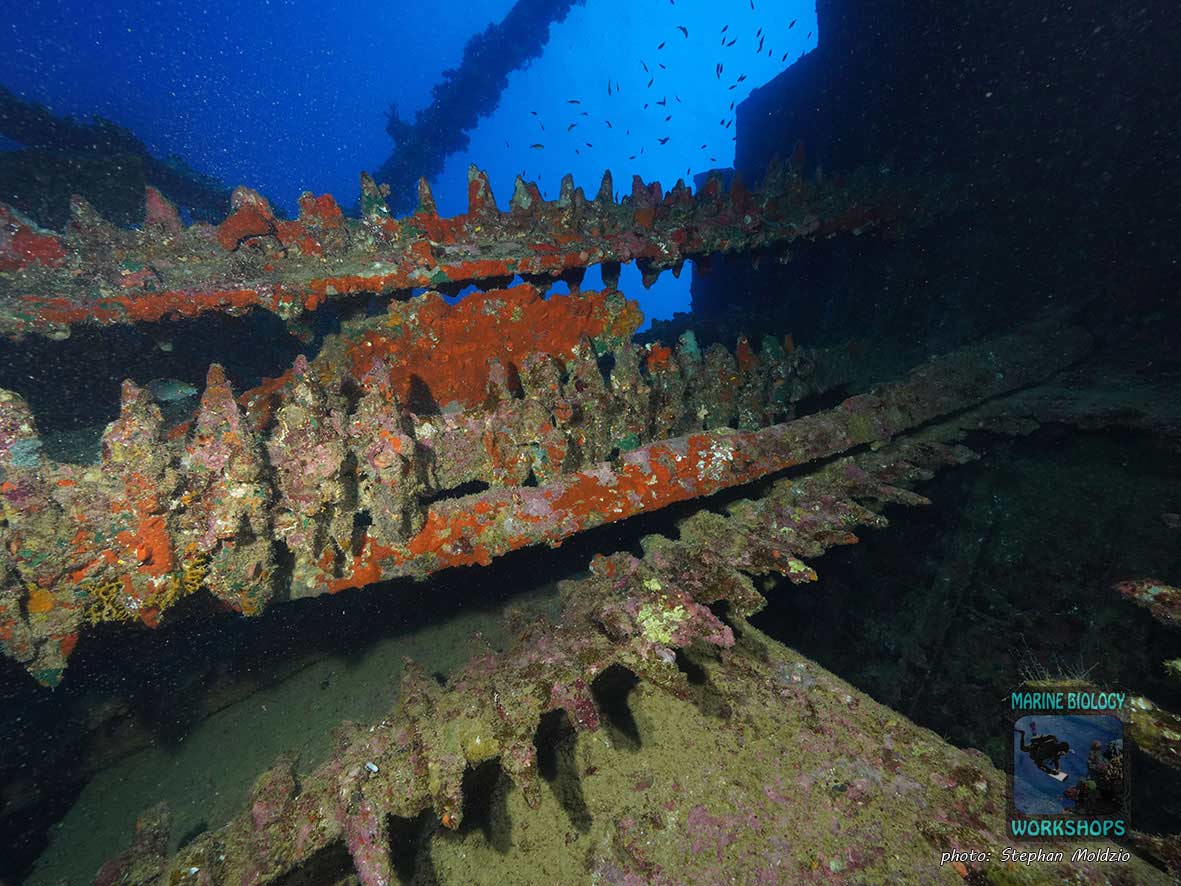
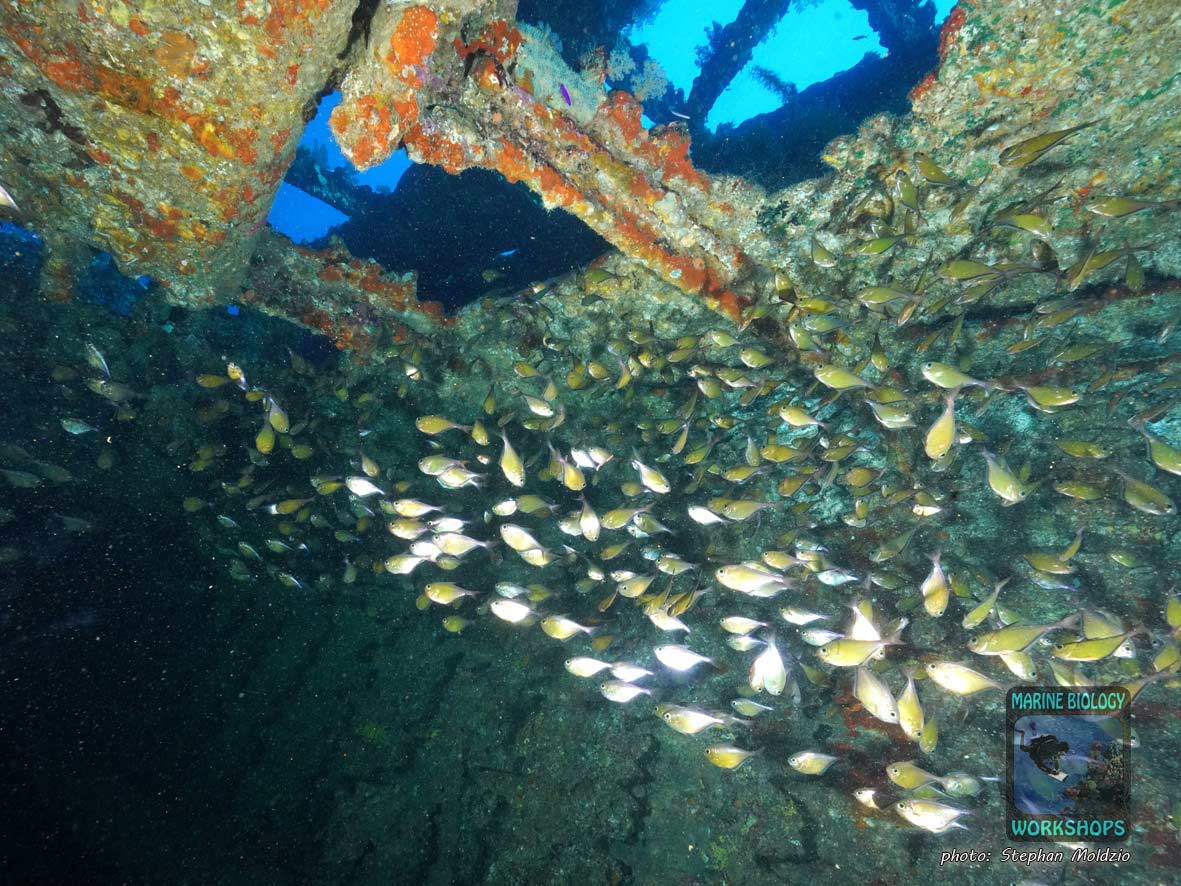

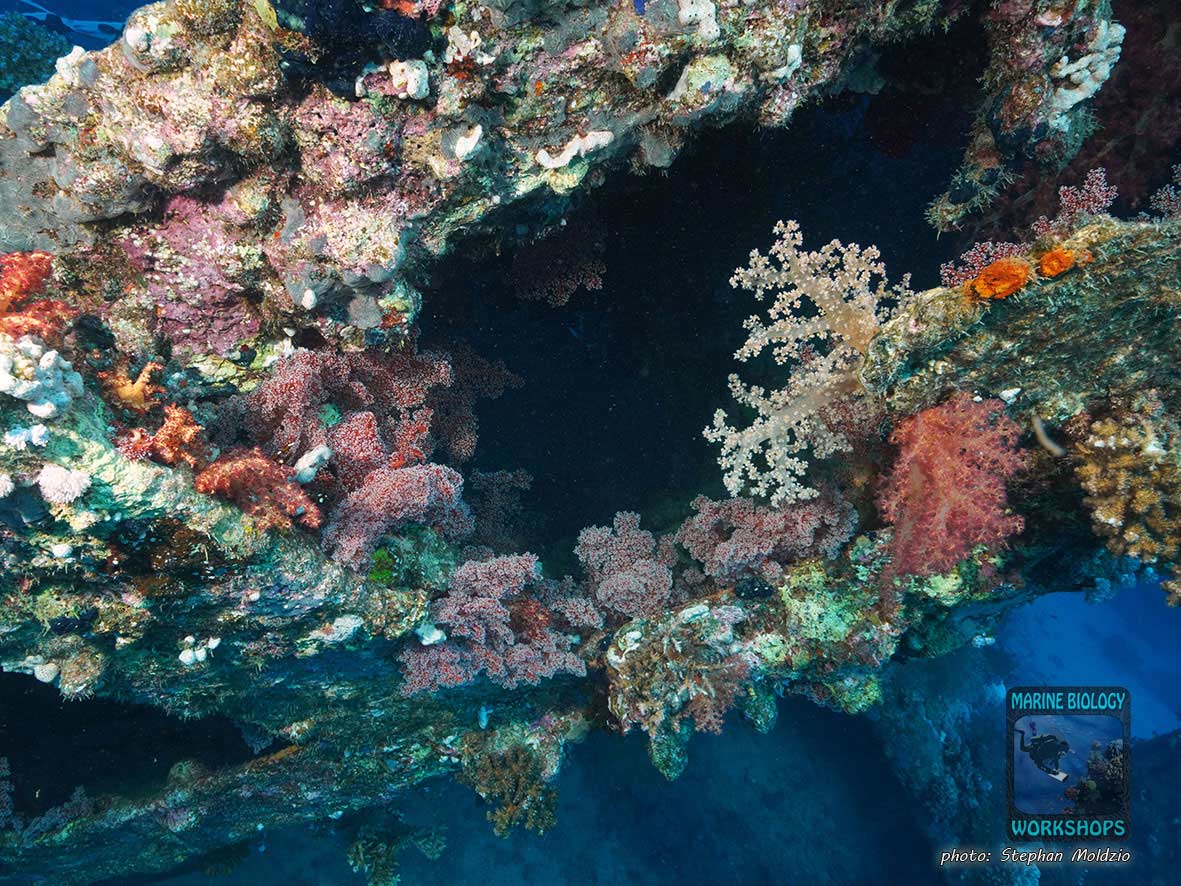

The Dunraven
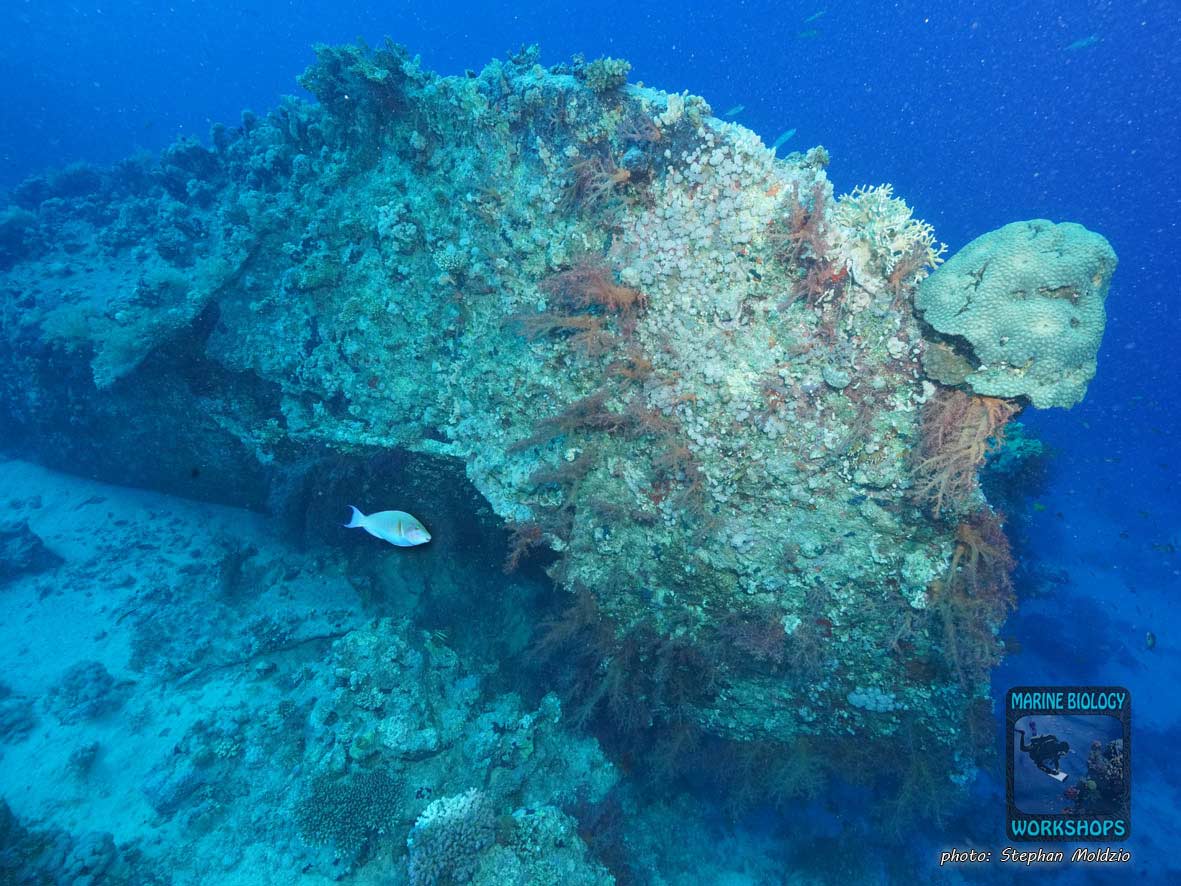
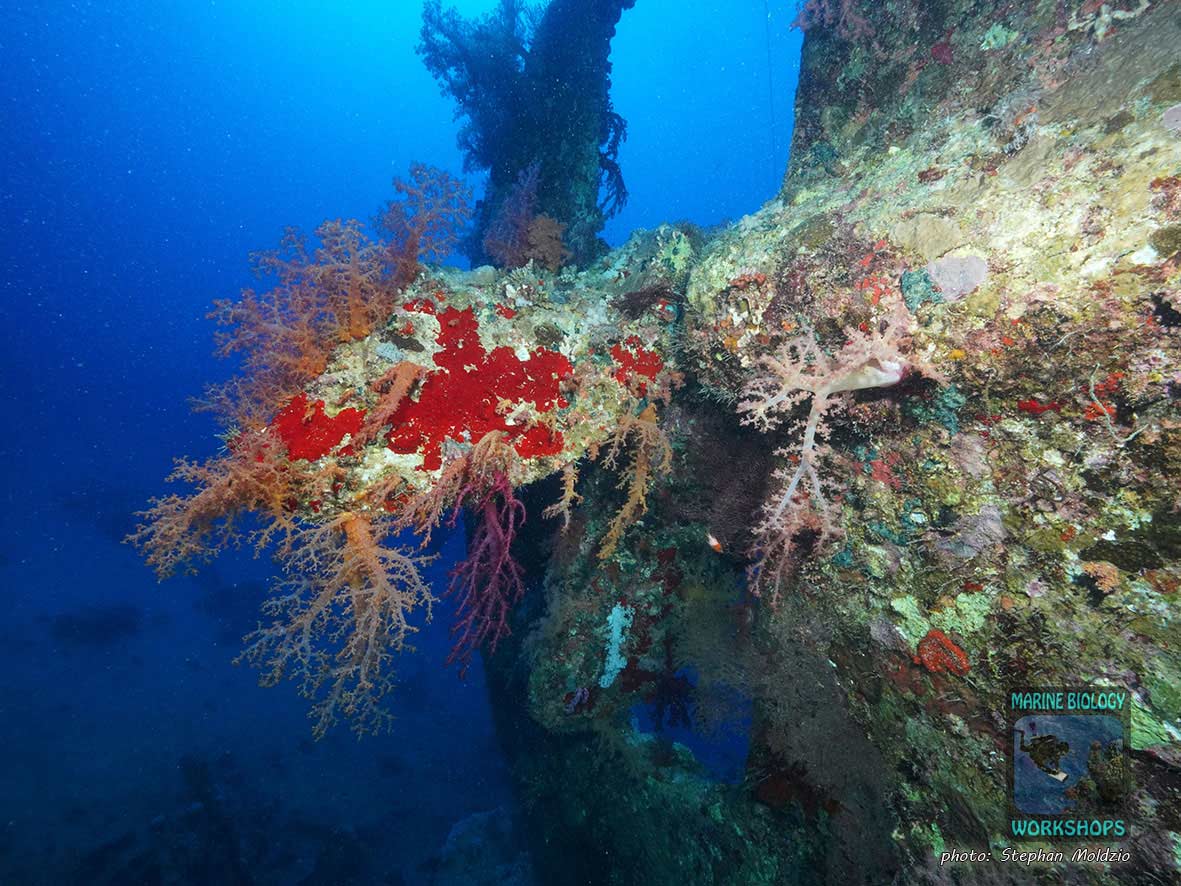
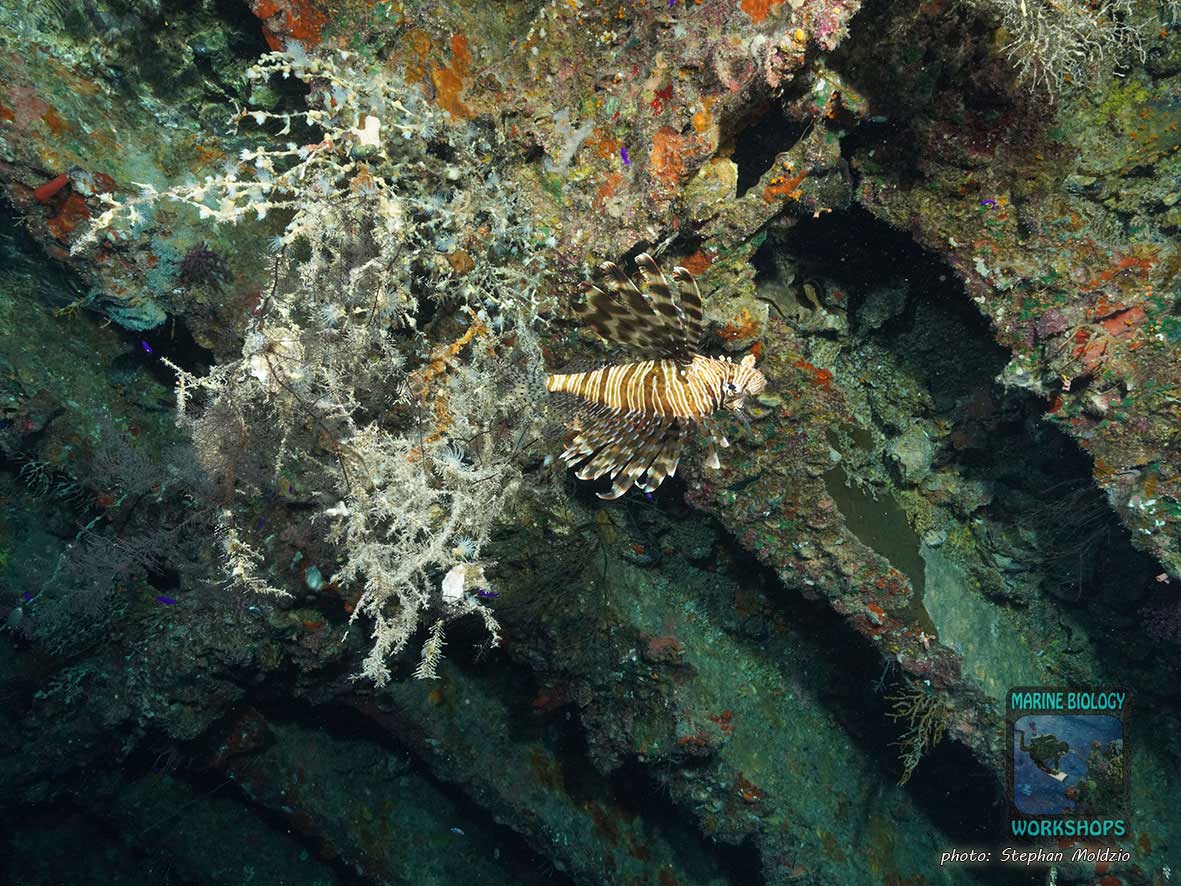
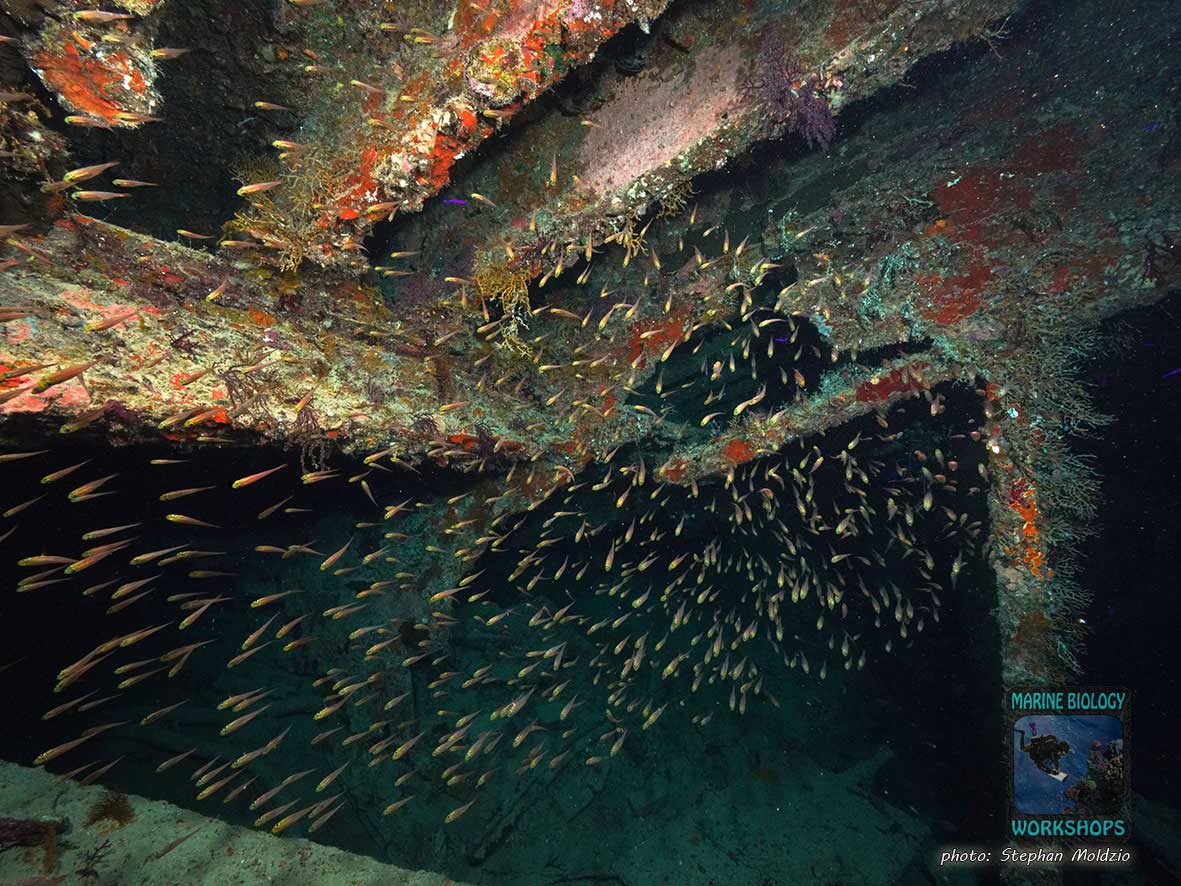
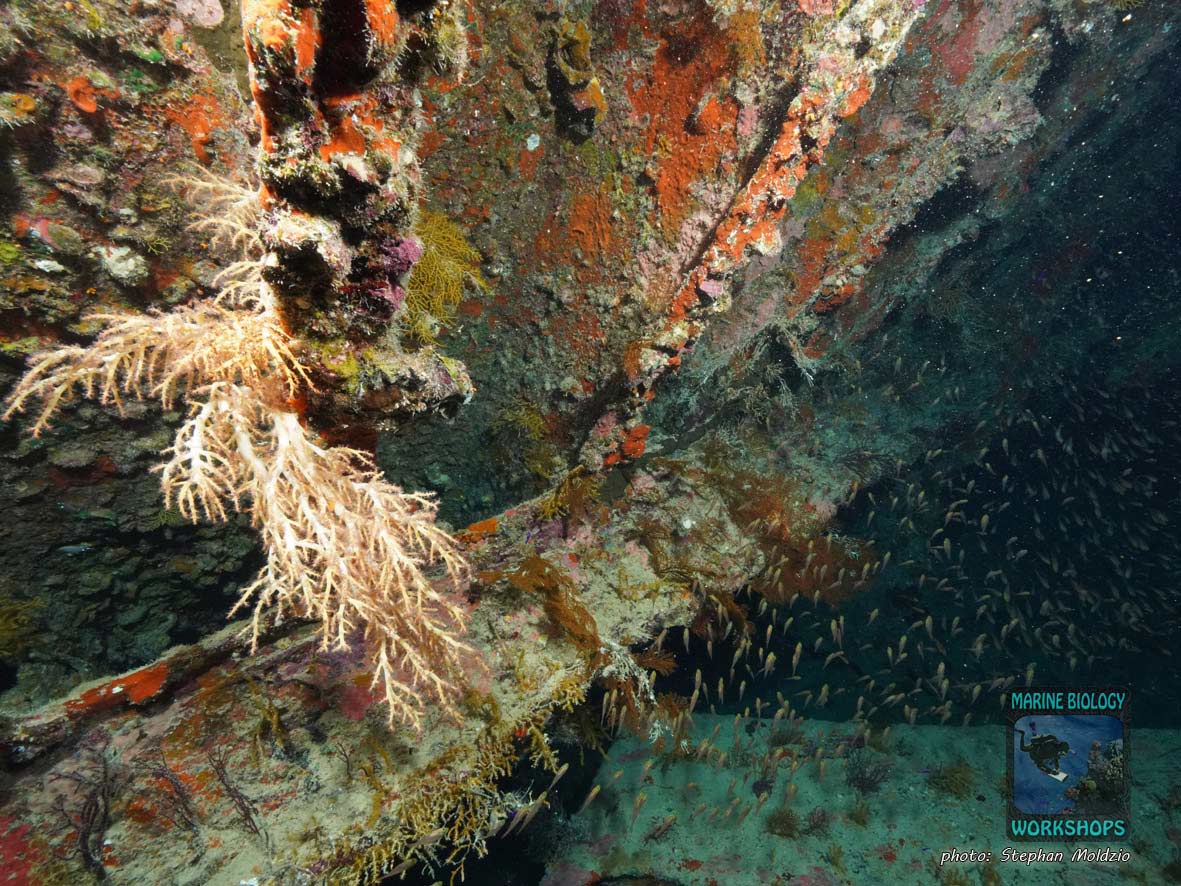
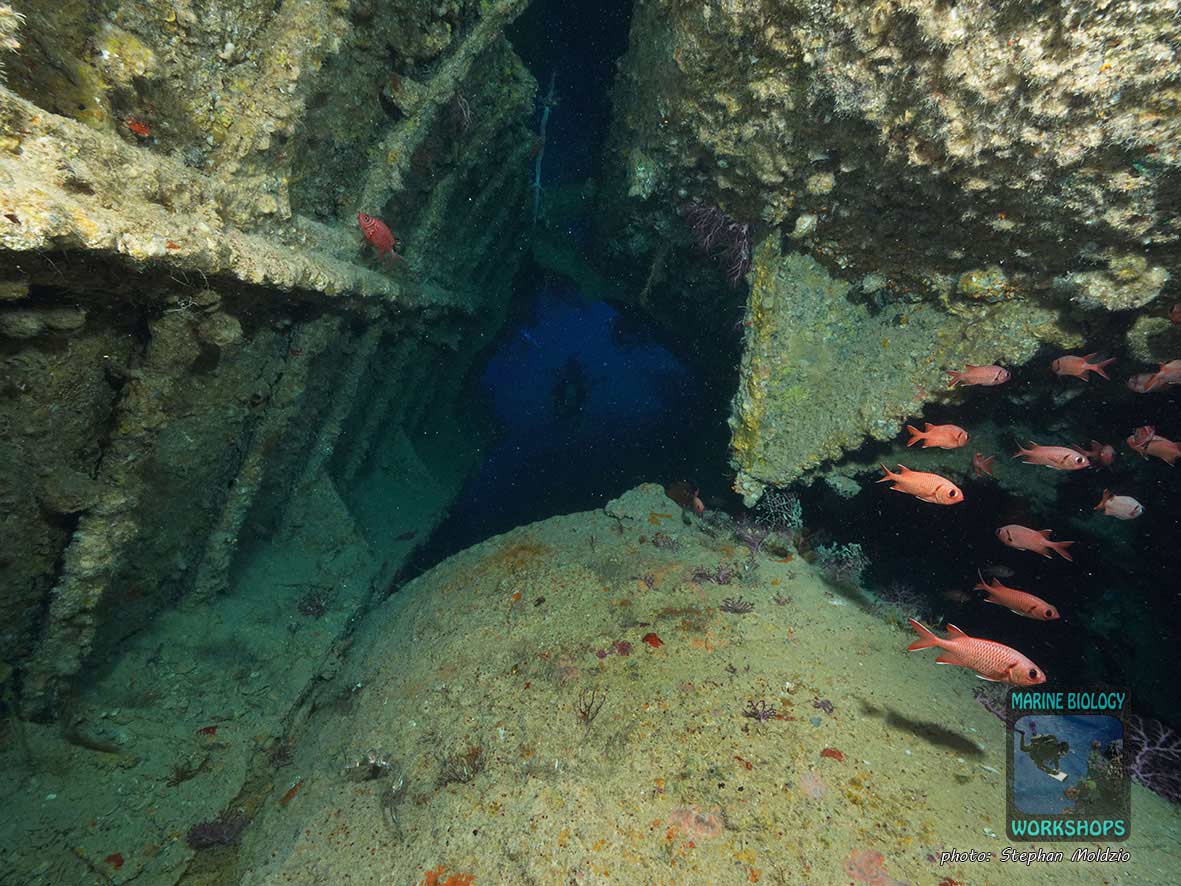
The World-Famous Thistlegorm Wreck

Many thanks to the entire crew of My Destiny – we’ll definitely see you again next year!


