
Seeing Nature through different eyes: Photography Excursion at Ölper See
How often do we go about our way without noticing the little wonders of nature along the way? That’s why the theme of our photo outing to Lake Ölper in Braunschweig was:
“Seeing Nature Through Different Eyes.”
Equipped with cameras or smartphones, nine curious participants set out together to explore and photograph the habitats around Ölper See. The excursion was led by biologist Stephan Moldzio. The event was also accompanied by Dr. Peter Straßer, Regional Director of the Evengelische Erwachsenenbildung Braunschweig. Stephan and Peter have been working together in environmental education since fifteen years.
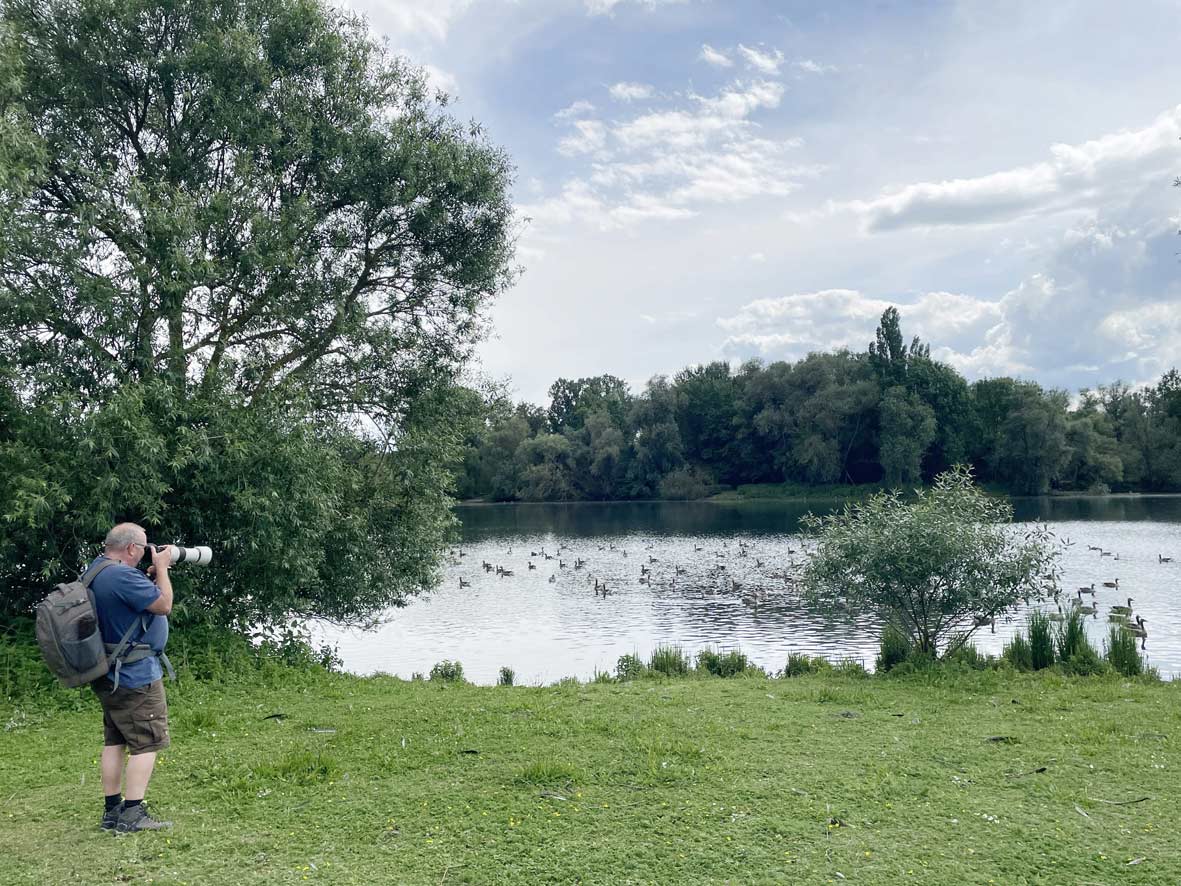
Naturfotografie am Ölper See
Nature Photography Begins with Observation.
At 2:00 p.m., the group met at the pavilion at Ölper See. After a brief introduction, including the participants’ photographic experience and expectations, the excursion began with a short introduction to the fundamentals of nature photography. It became clear that good nature photographs do not depend solely on sophisticated or expensive equipment. Whether using a smartphone, a compact camera, a DSLR, or a mirrorless camera, what matters most is having an eye for the subject.
Stephan introduced the different types of lenses, ranging from macro to tele lenses, and used printed photographs to explain some key photographic concepts such as aperture, shutter speed, ISO setting, focal length, and depth of field. He also discussed compositional aspects such as image composition, perspective, framing, focal plane, light and color, all of which help photographers present their subjects in a deliberate and effective way.
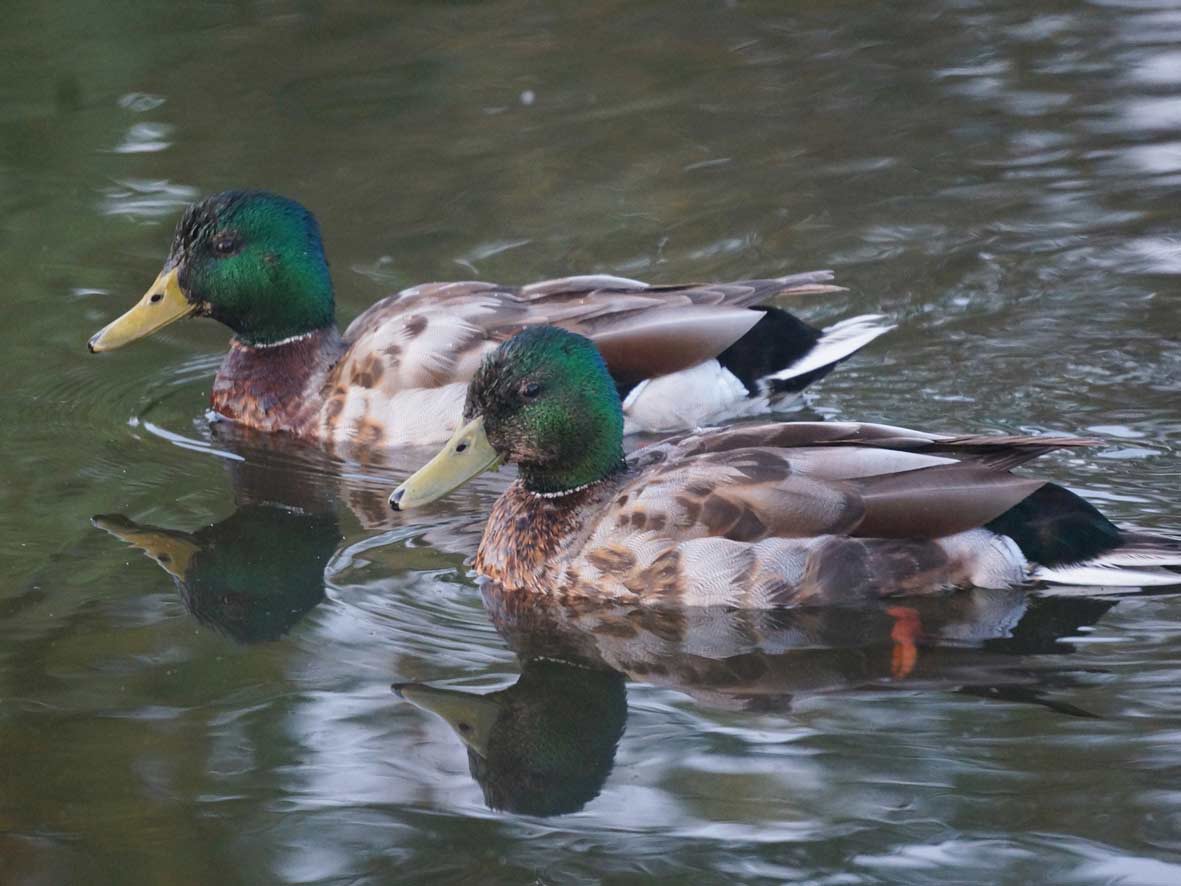
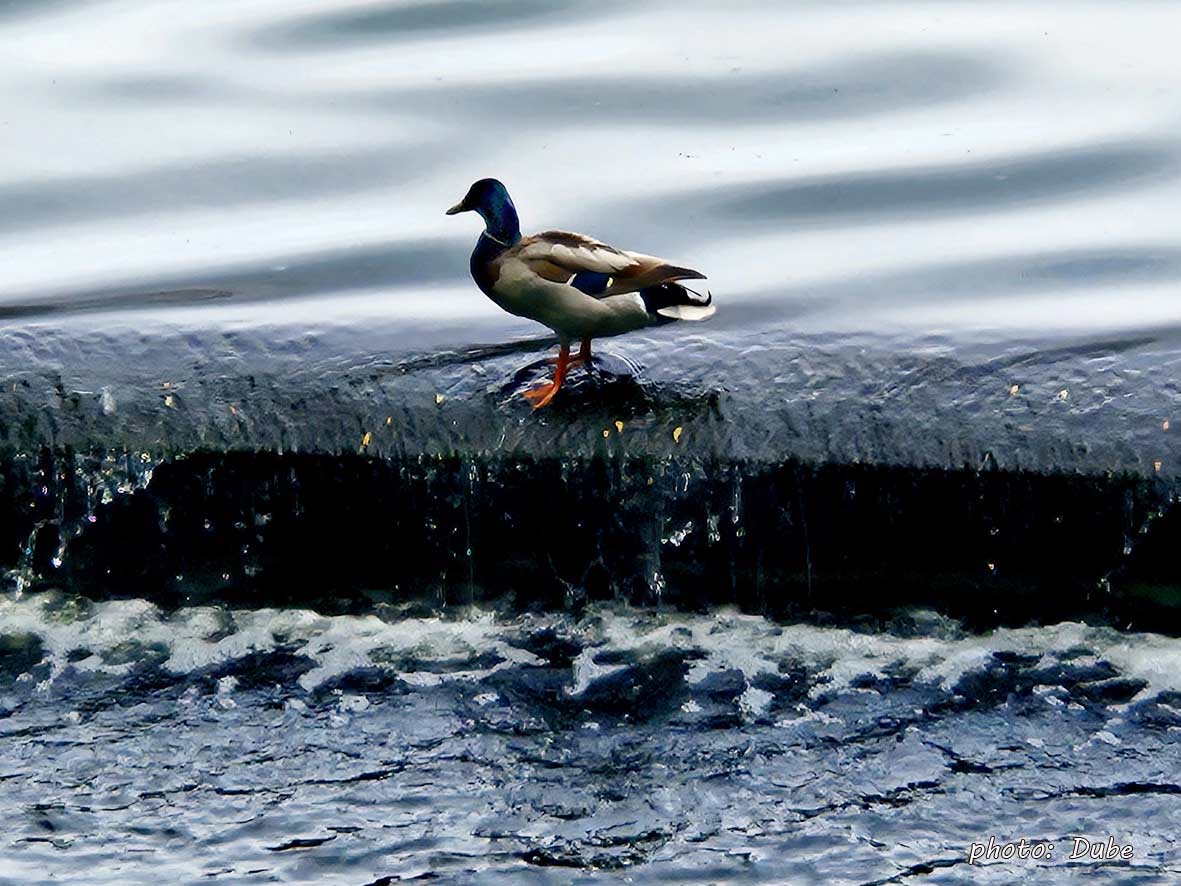
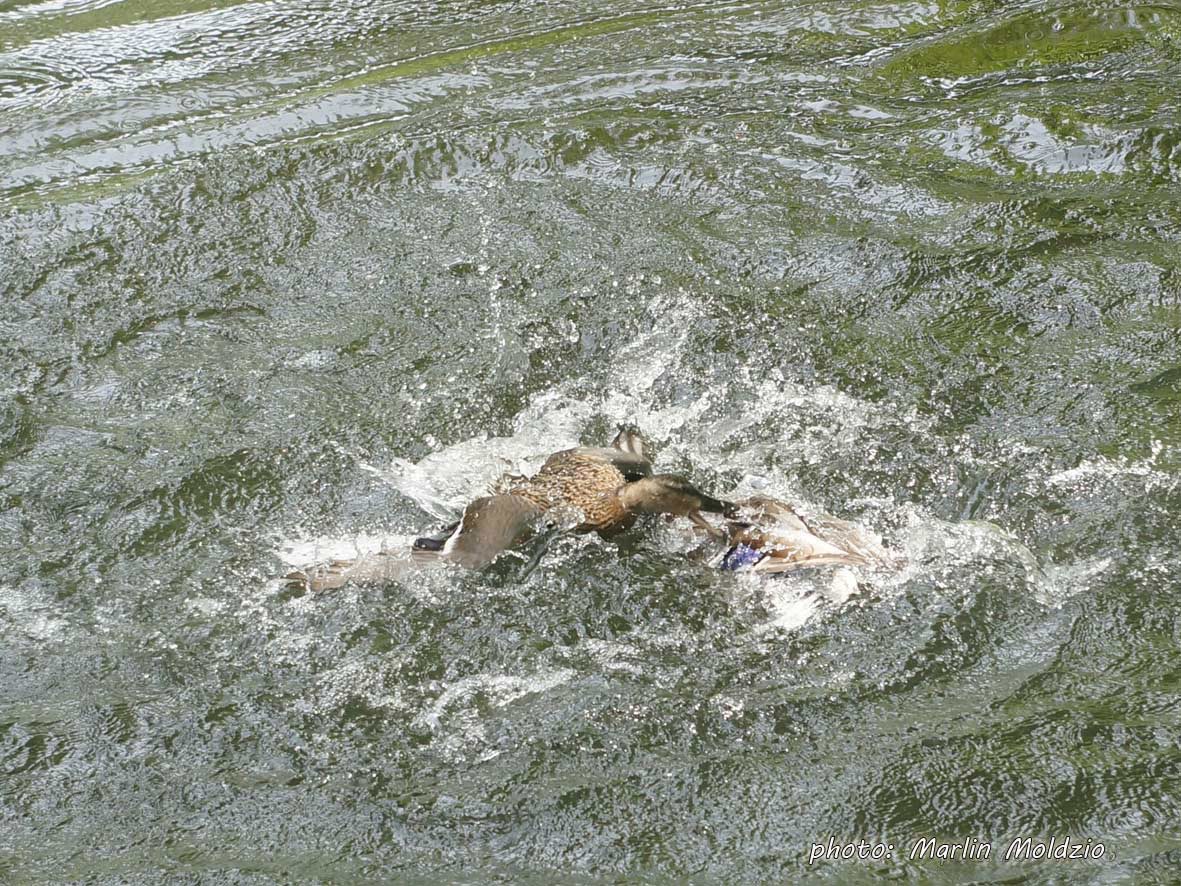
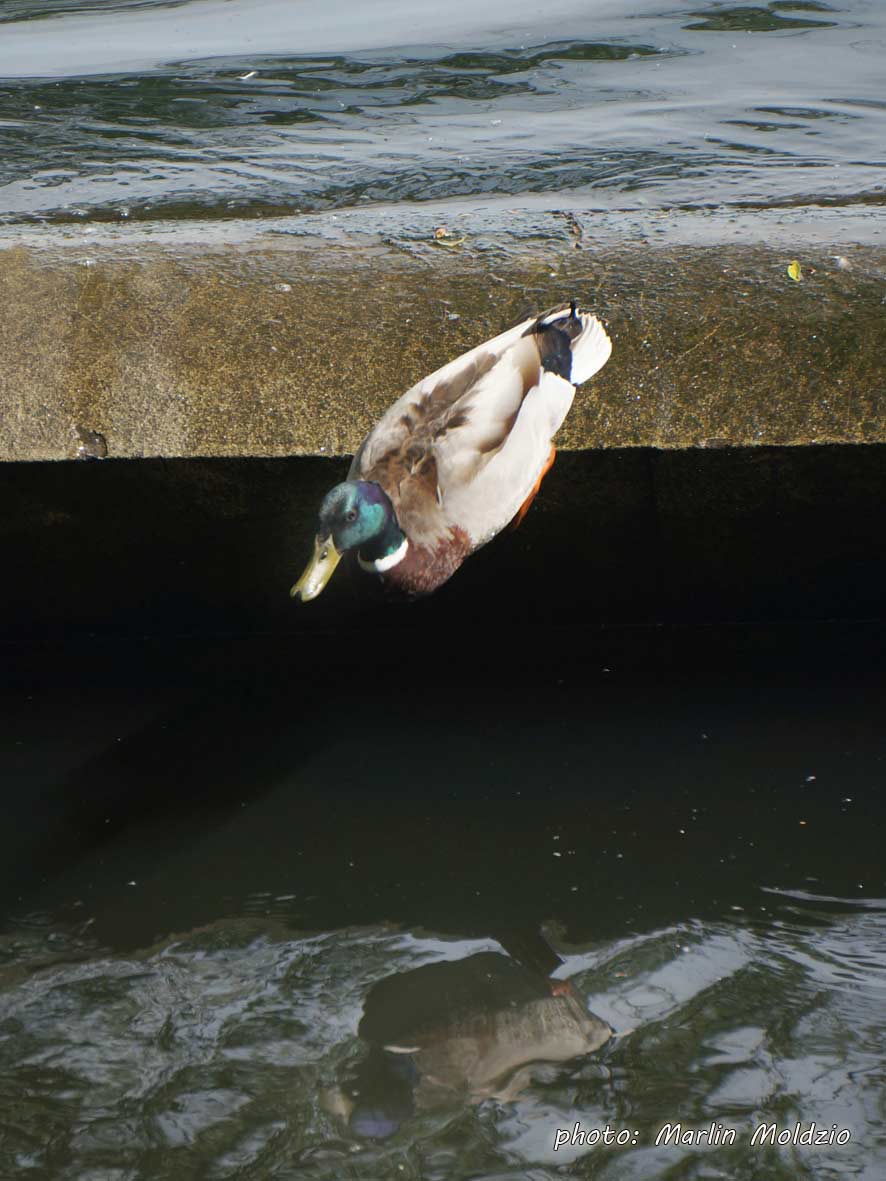
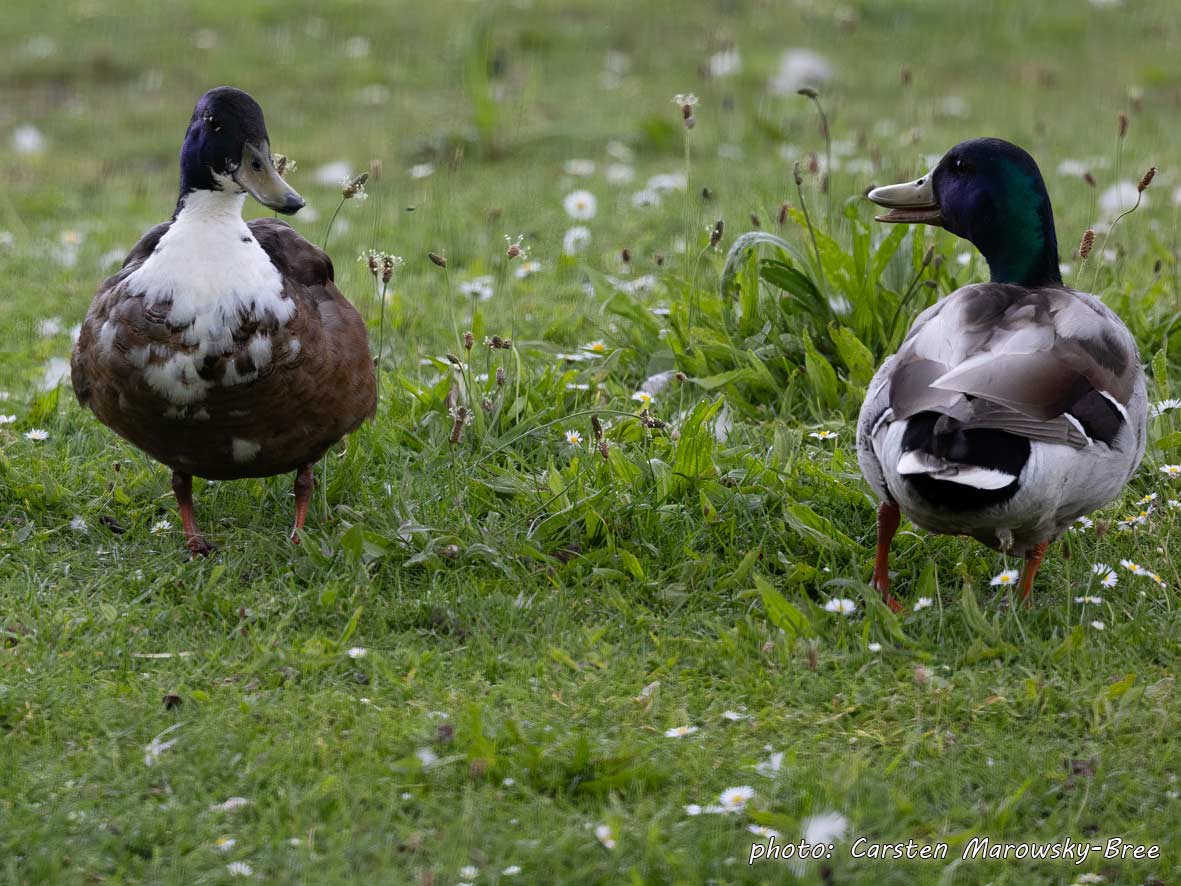
Zwei jugendliche Stockenten-Erpel
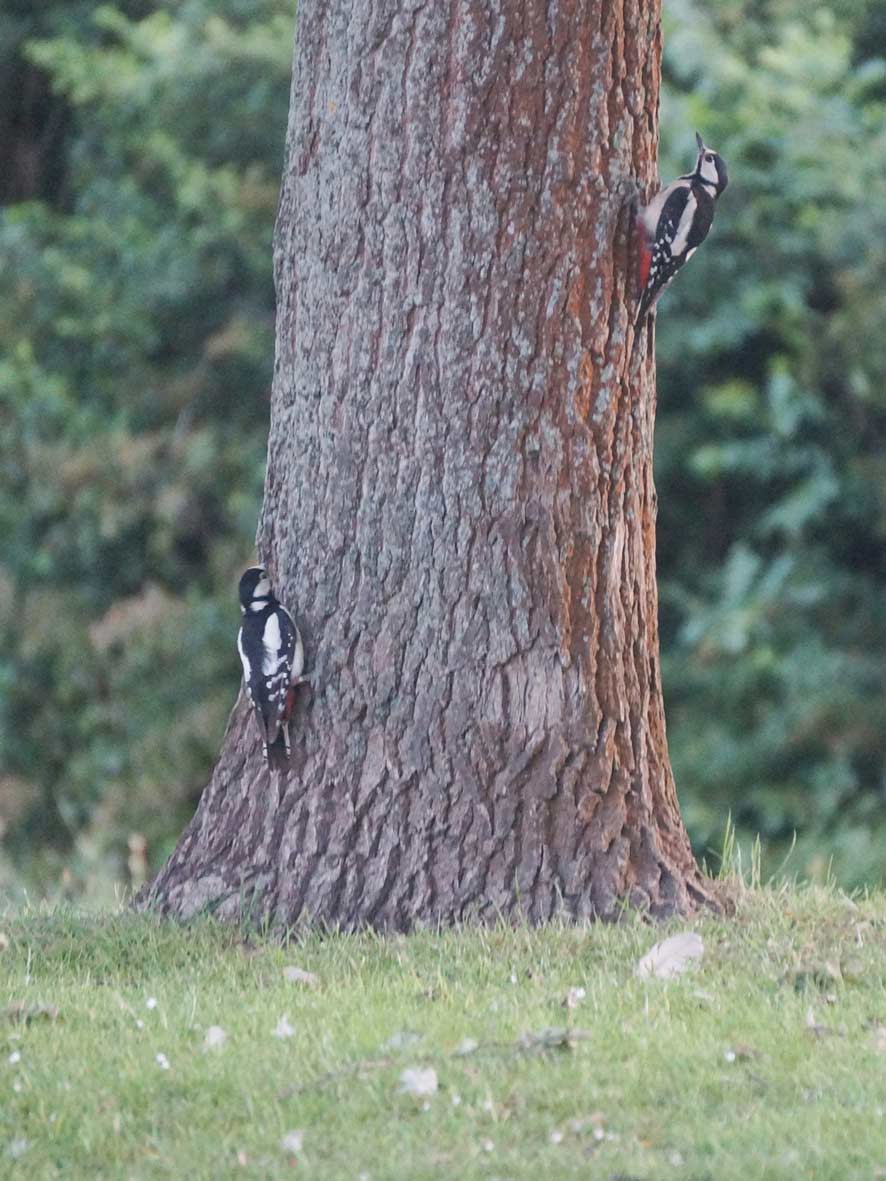
Zwei Buntspecht-Weibchen
The photographic assignment for the excursion that followed was:
To document organisms, behaviors, moods and landscapes, as well as the relationship between nature and human, through photographs ranging from close-up shots to panoramic views.
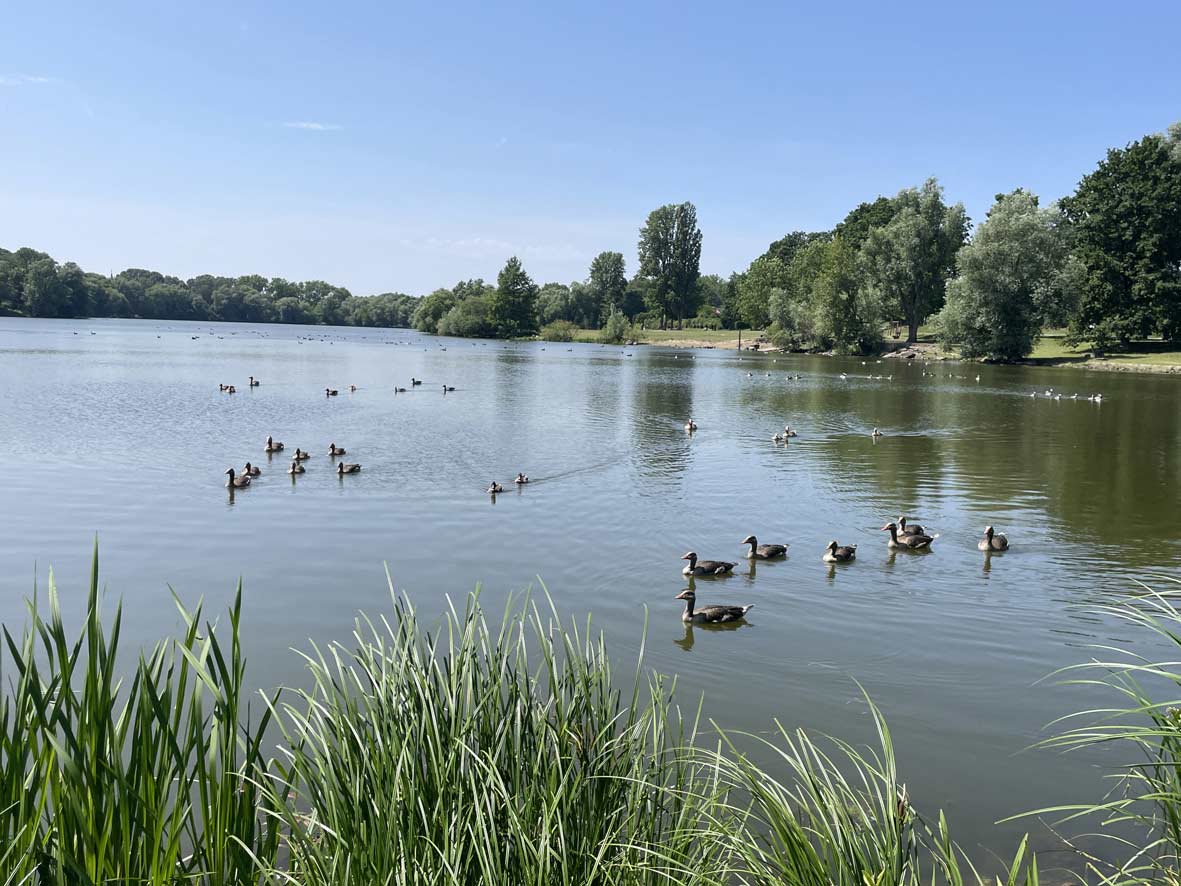
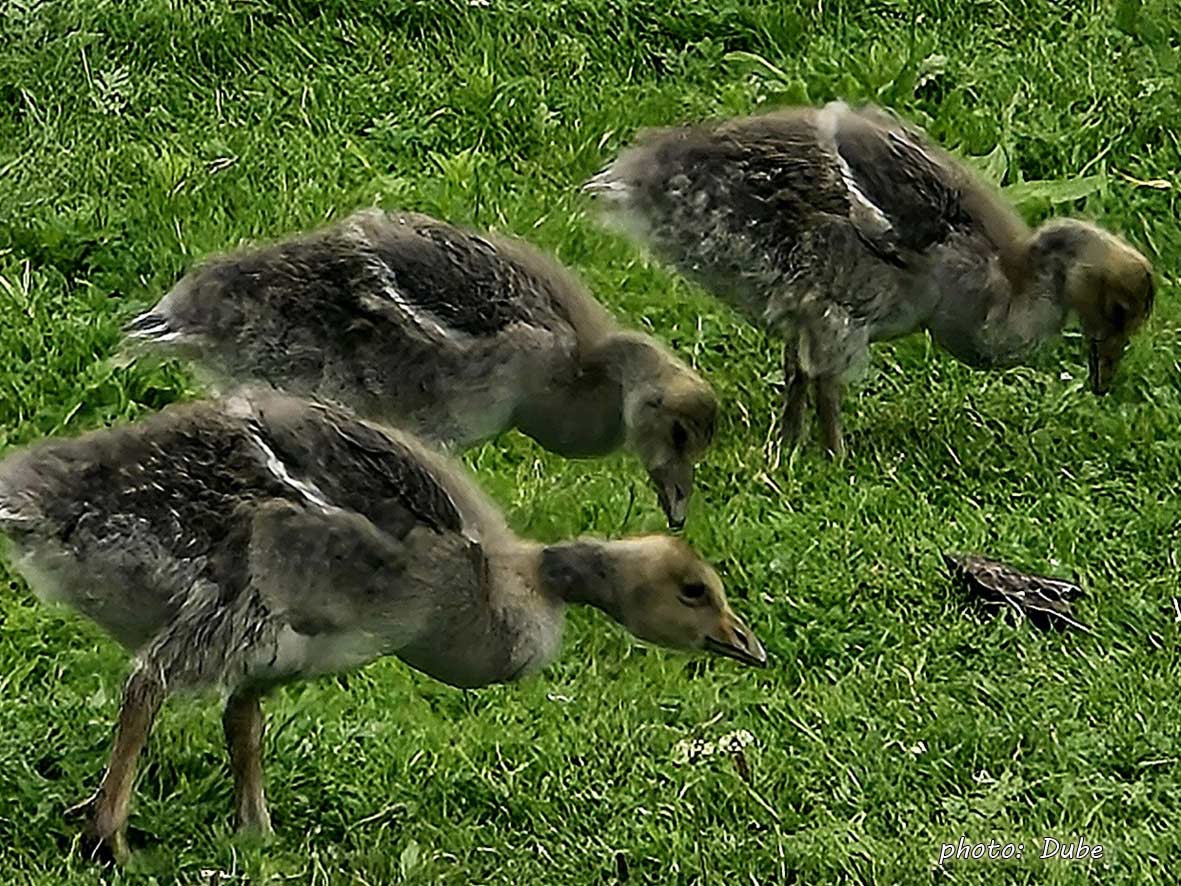
Graugänse auf dem Ölper See erwarten Futter
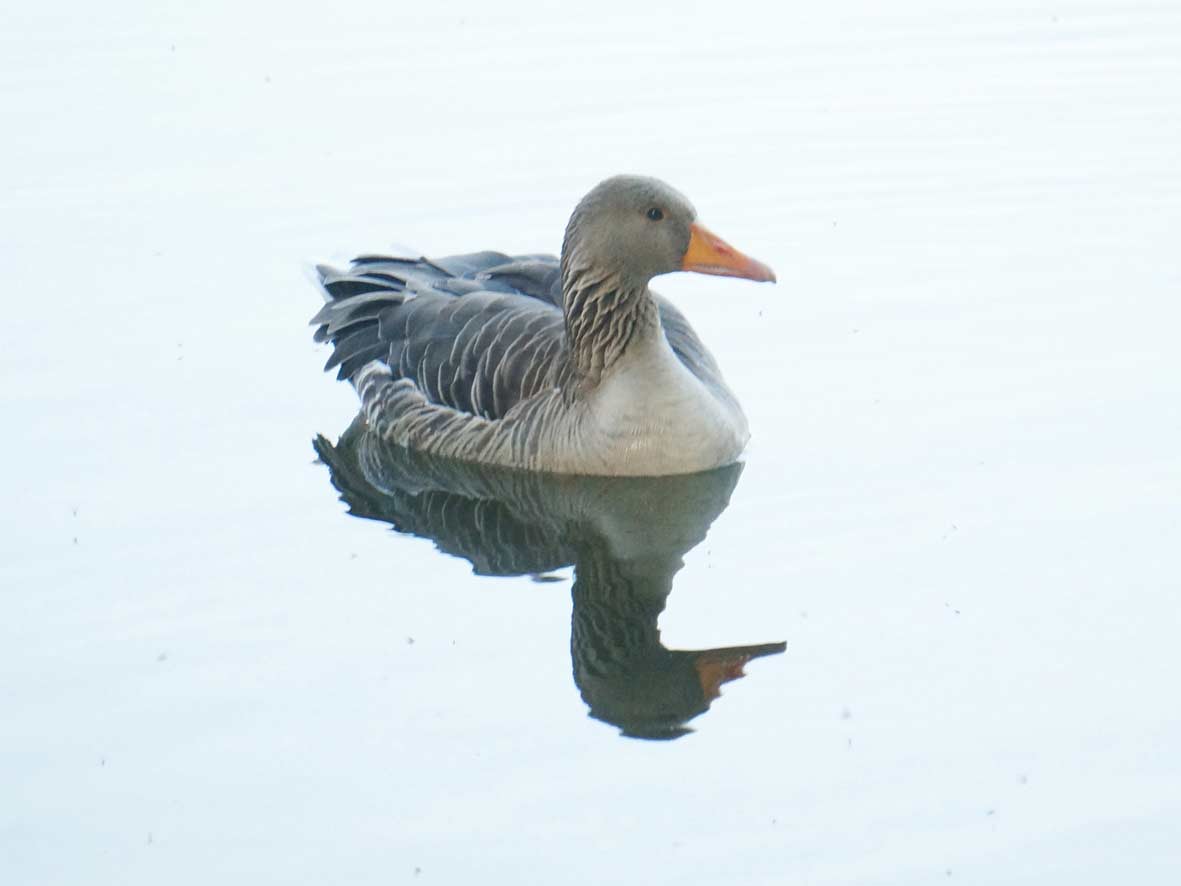
Graugans auf dem Ölper See
Exploring the Ölper See and the River Oker.
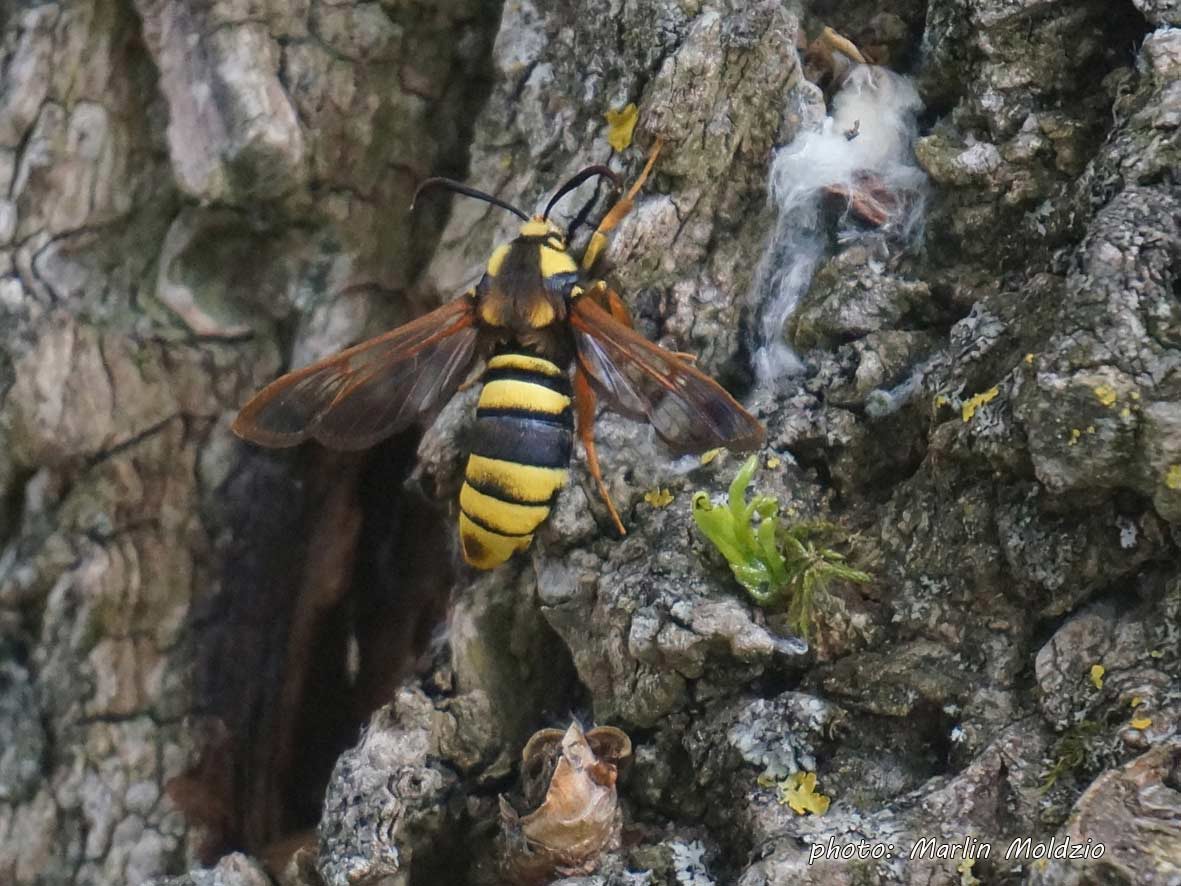
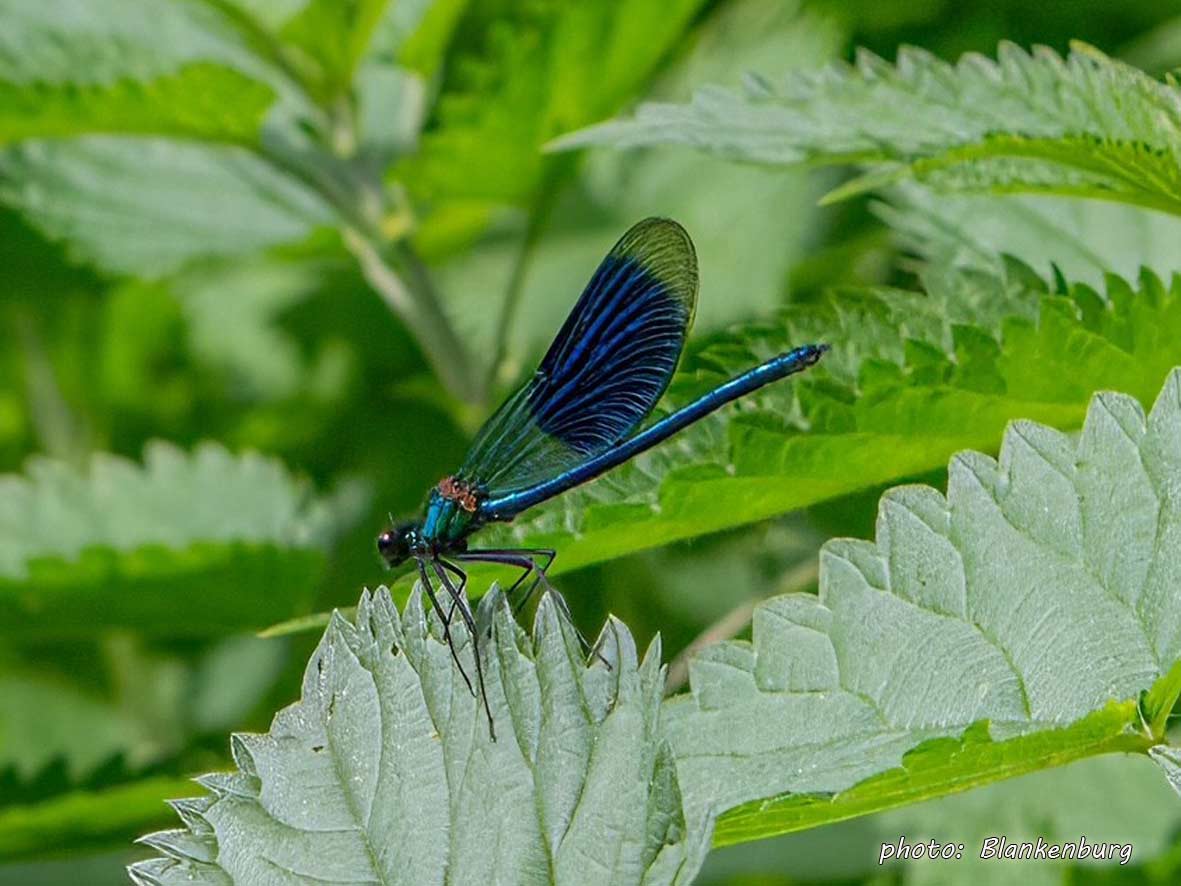
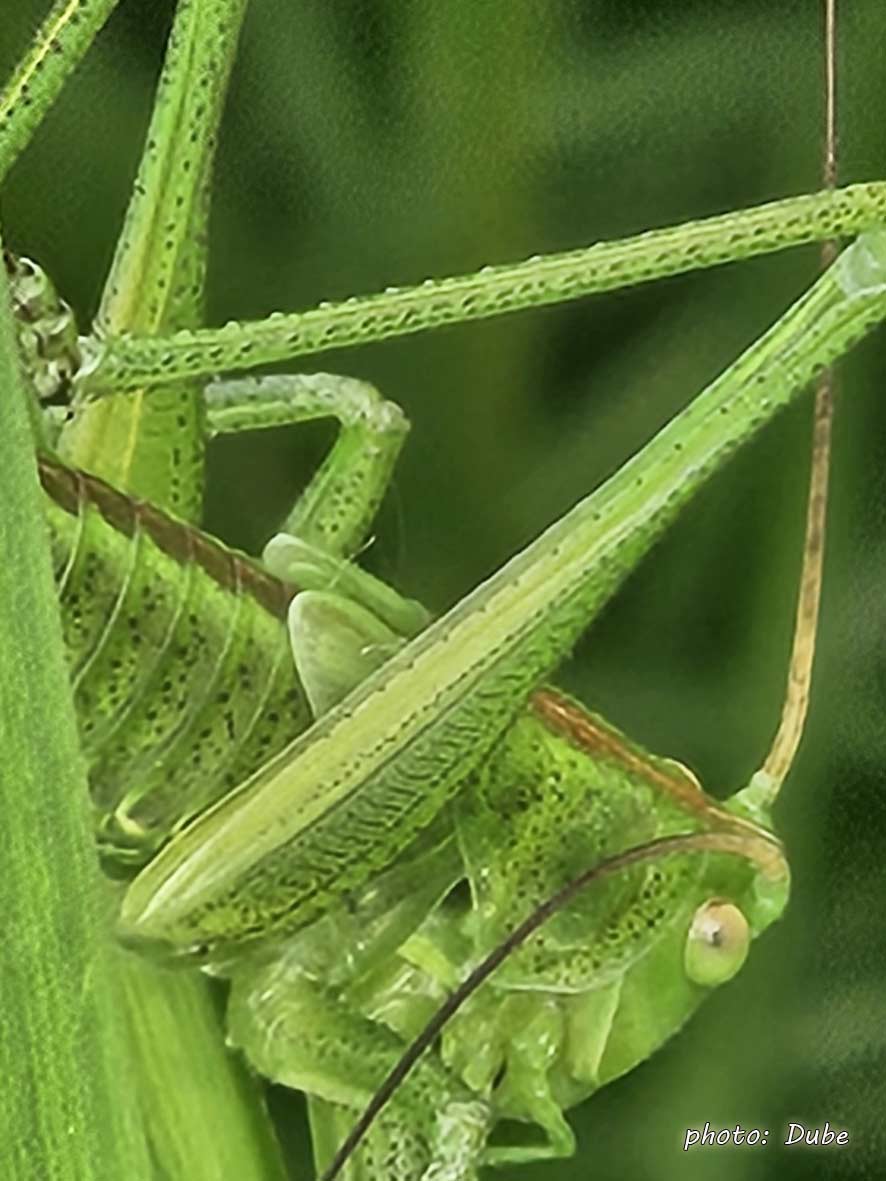
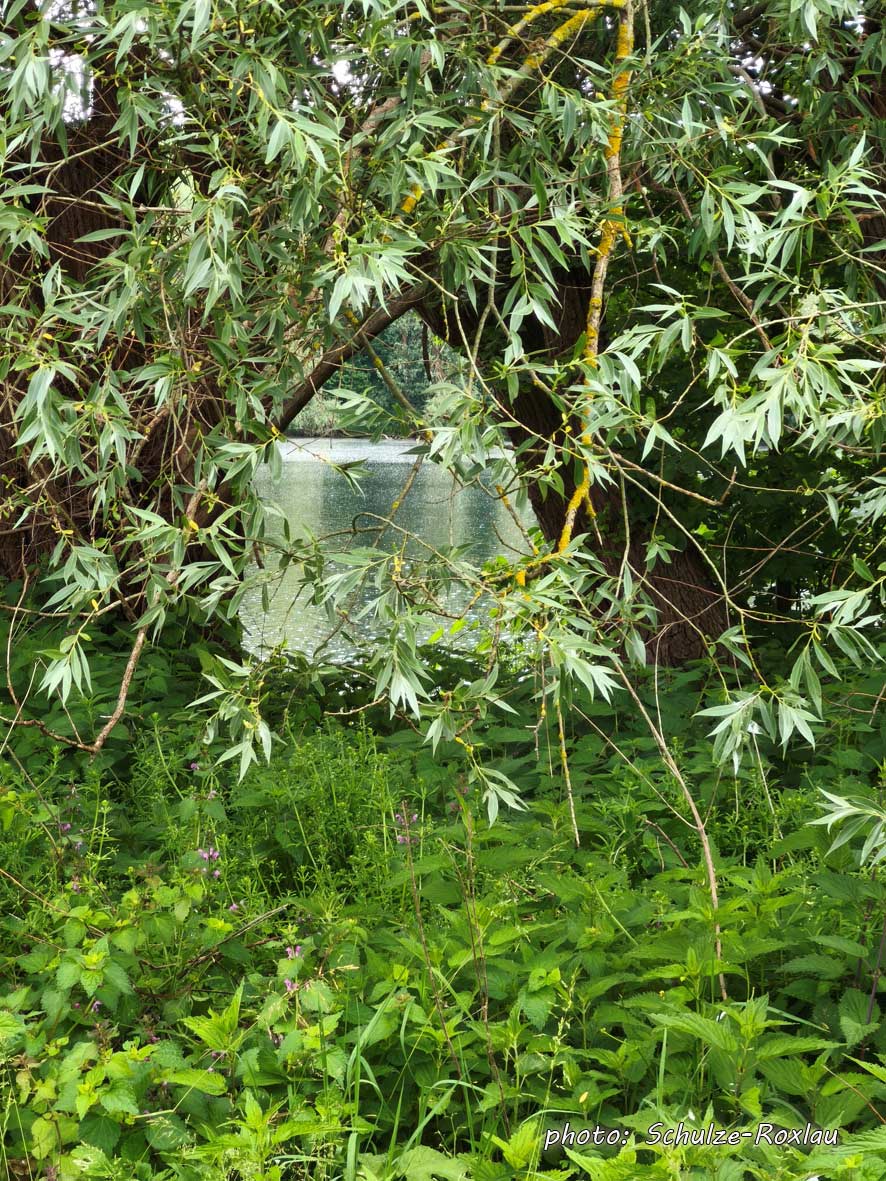
The first photographic subjects quickly appeared: damselflies darted over the wet meadow, waterbirds glided across the lake, and a sizeable colony of greylag geese rested along the shore. Various insects, plants, and flowers offered interesting structures for close-up photography. It became clear how one’s perception of the surroundings changes when carrying a camera. Details become visible that would otherwise be easily overlooked.
At around 3:00 p.m., the group gathered at the overflow weir between the upper and lower lakes. Stephan introduced the “Braunschweiger Okeraue” Nature Reserve. This dynamic floodplain landscape, shaped by periodic flooding, provides an important habitat for many animal and plant species and connects a variety of habitats. The combination of flowing and still waters, together with adjacent terrestrial habitats, creates a wide range of ecological niches. These form the basis for many specialized species, which are often threatened, and contribute to the area’s overall high biodiversity.
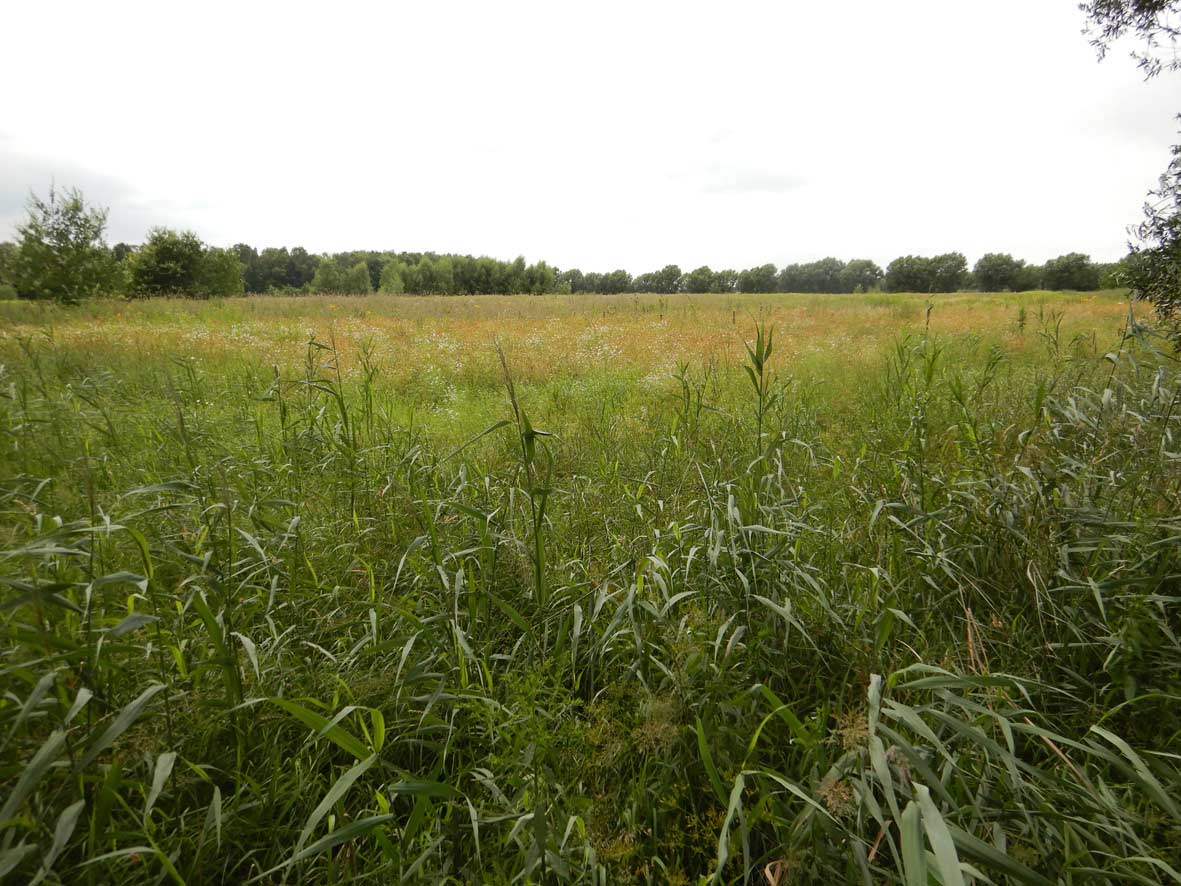
Feuchtwiese in der Okeraue
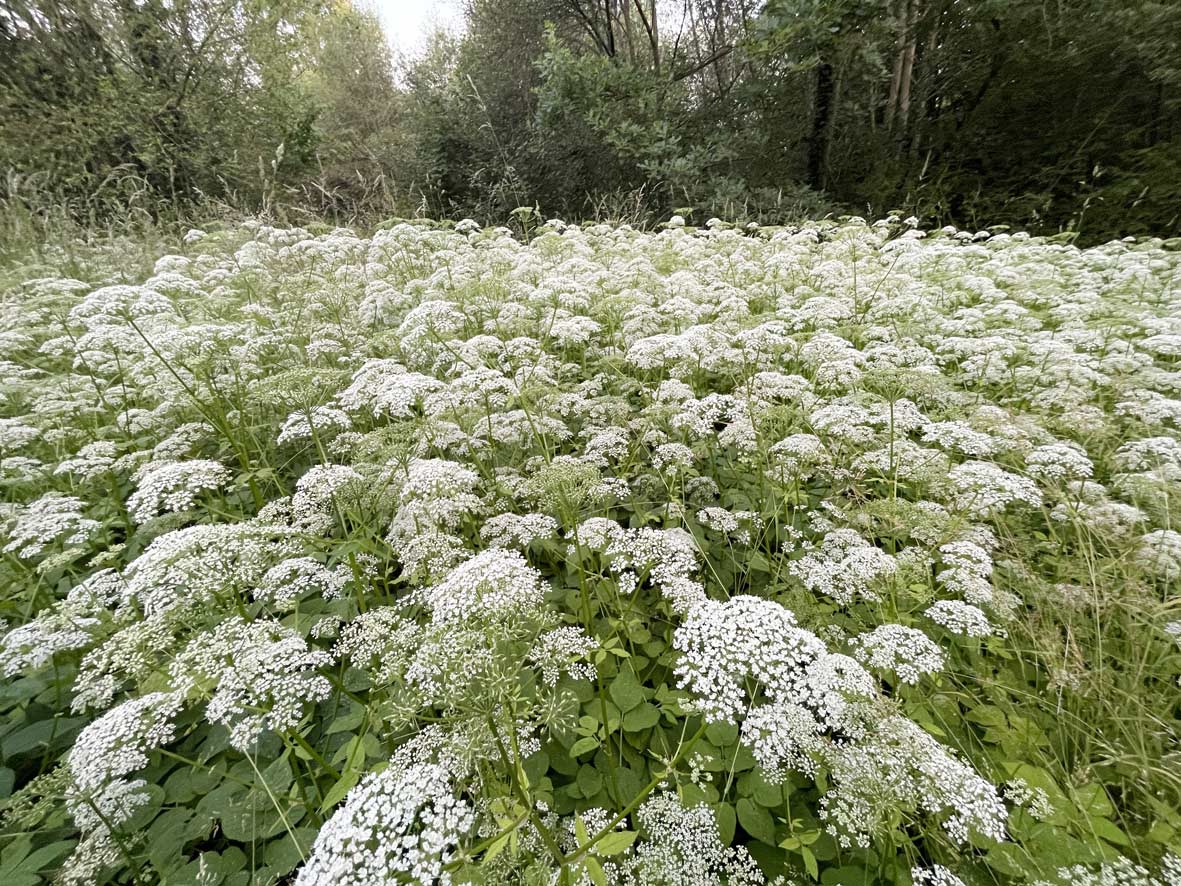
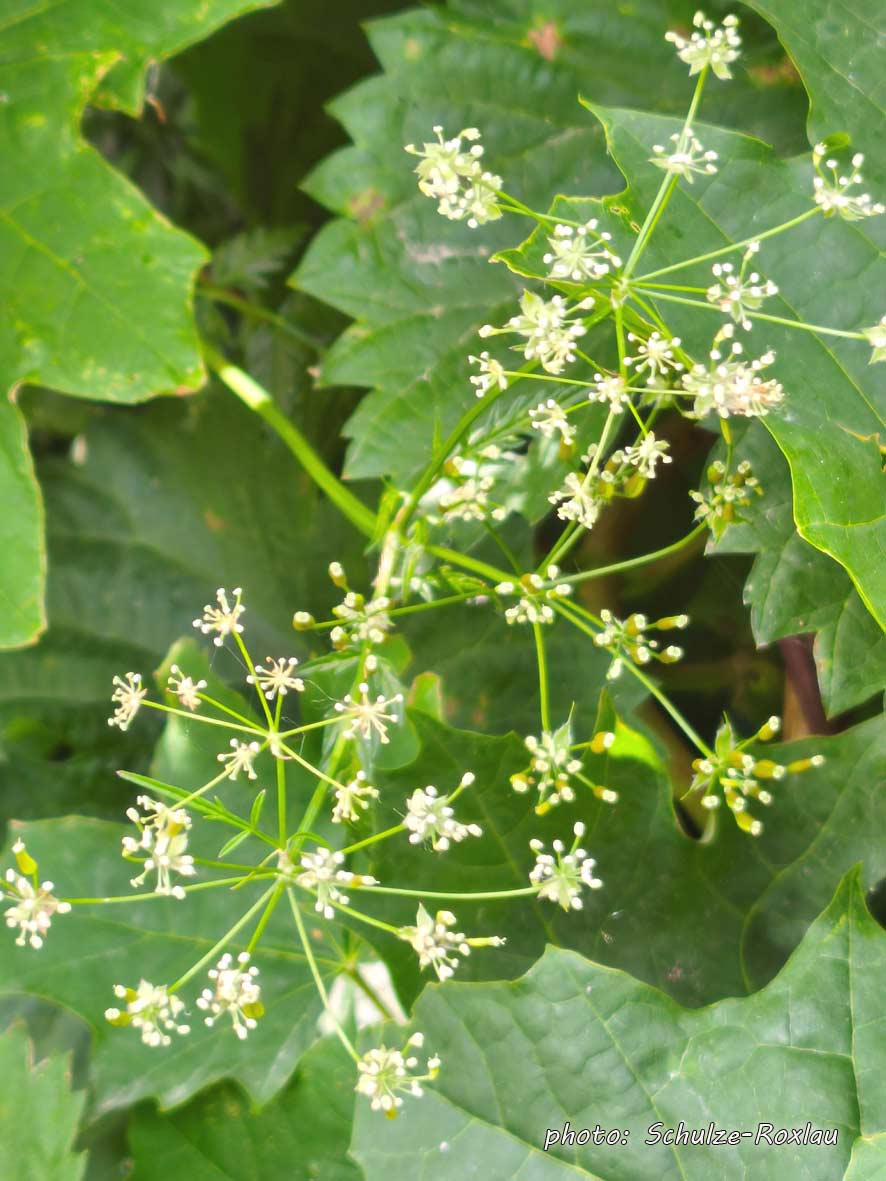
Blühender Giersch am Ölper See
Water Level Regulation, Flood Protection, and Floodplain Areas.
The next stop was at the Ölper Wehr. The focus here was on the regulation of the Oker’s water level and the importance of flood protection. A fish pass allows migratory fish species to bypass the structure, thereby contributing to the ecological connectivity of the River Oker. The site also serves as a launch point for canoeists.
During periods of high water, particularly in winter following heavy rainfall or after snowmelt, water can flow from the Oker into Ölper See via an overflow weir and from there into the smaller so-called “Lower Lake” through a second overflow weir. This area is fenced off and forms part of the “Braunschweiger Okeraue” Nature Reserve. If water levels rise, the floodplain areas of the Oker valley are inundated, and then, some paths around the Ölper See are also flooded. This system not only protects nearby settlements from flooding but also creates an exceptionally dynamic and valuable habitat within the Oker floodplain.
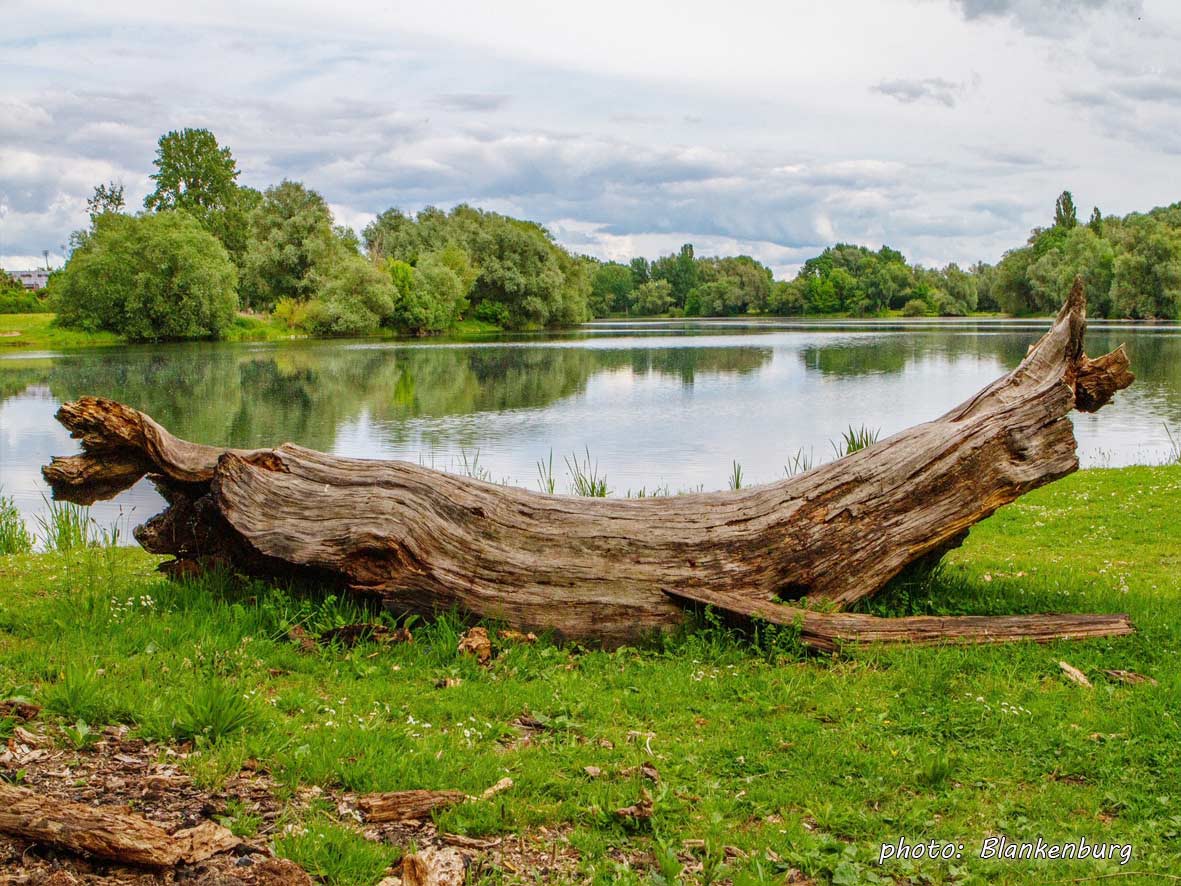
Lake Ölper itself is an artificial lake that was created in the 1970s as a local recreational area. The “Upper Lake” covers an area of 14 hectares and has a maximum depth of 14.3 metres.
For many centuries, the hydropower of the River Oker was harnessed at the site of the Ölper Wehr through the operation of the Ölper Mühle for a variety of purposes—100% renewable energy. The former mill race supplied water to the mill. With the aid of the upstream overflow weir, known as the “Pfläcknis,” the water supply could be regulated. Today, this historic structure can still be seen on the shore of the Ölper See. The Oker now flows along the course of the former mill race.
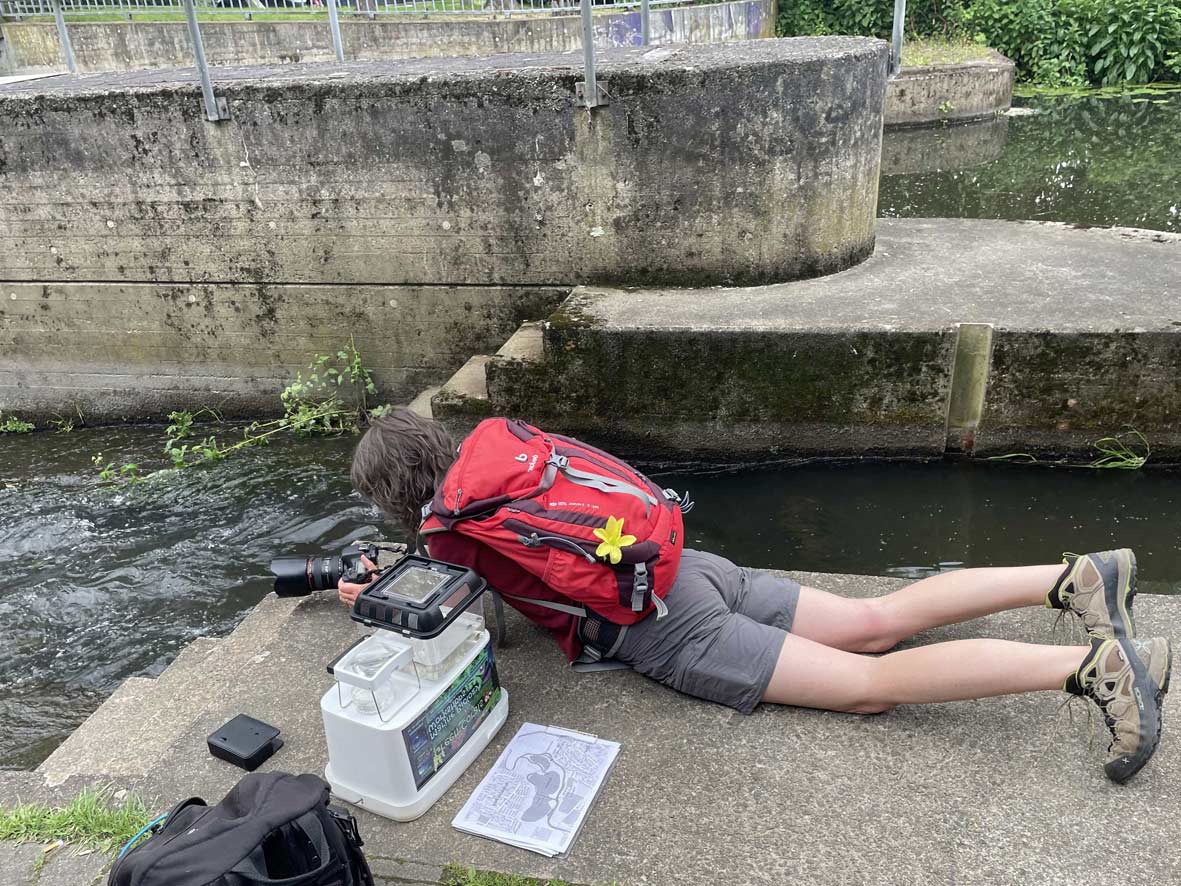
Naturfotografie am Oker Wehr
River Oker meets Ölper See
The next stop was the overflow weir between the River Oker and Lake Ölper. Here, the two habitats of flowing water and standing water lie directly adjacent to one another. Reflections on the calm surface of the lake contrast with the dynamic movement of the river. This setting illustrates how closely ecological relationships and photographic opportunities are interconnected.
One of the most fascinating—and undoubtedly most “impactful”—inhabitants of the Oker is the Eurasian beaver. In the past, it was driven to the brink of extinction in Europe, partly because its engineering activities in waterways were considered undesirable. Today, the beaver is once again widespread throughout Germany and is also well established along the Oker, all the way to the Harz Mountains.
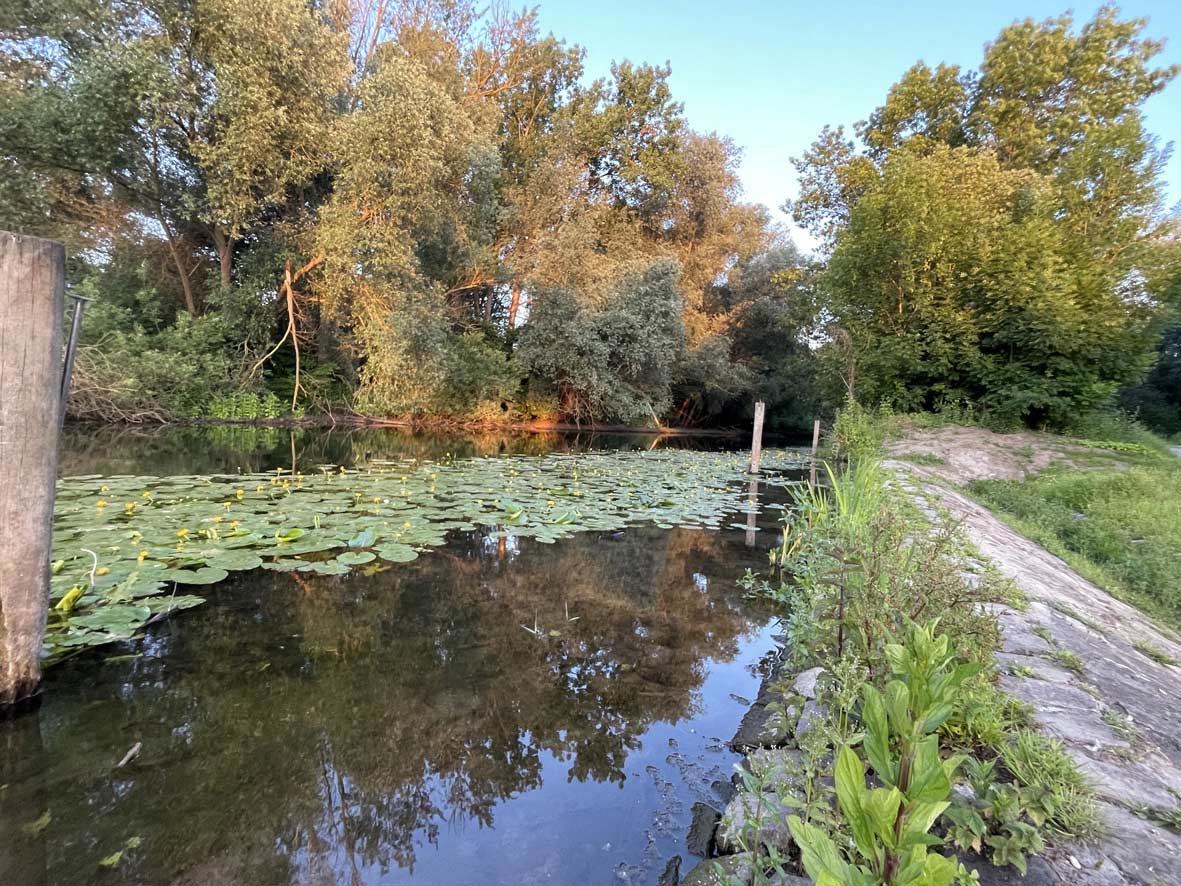
Überlaufschwelle von der Oker zum Ölper See
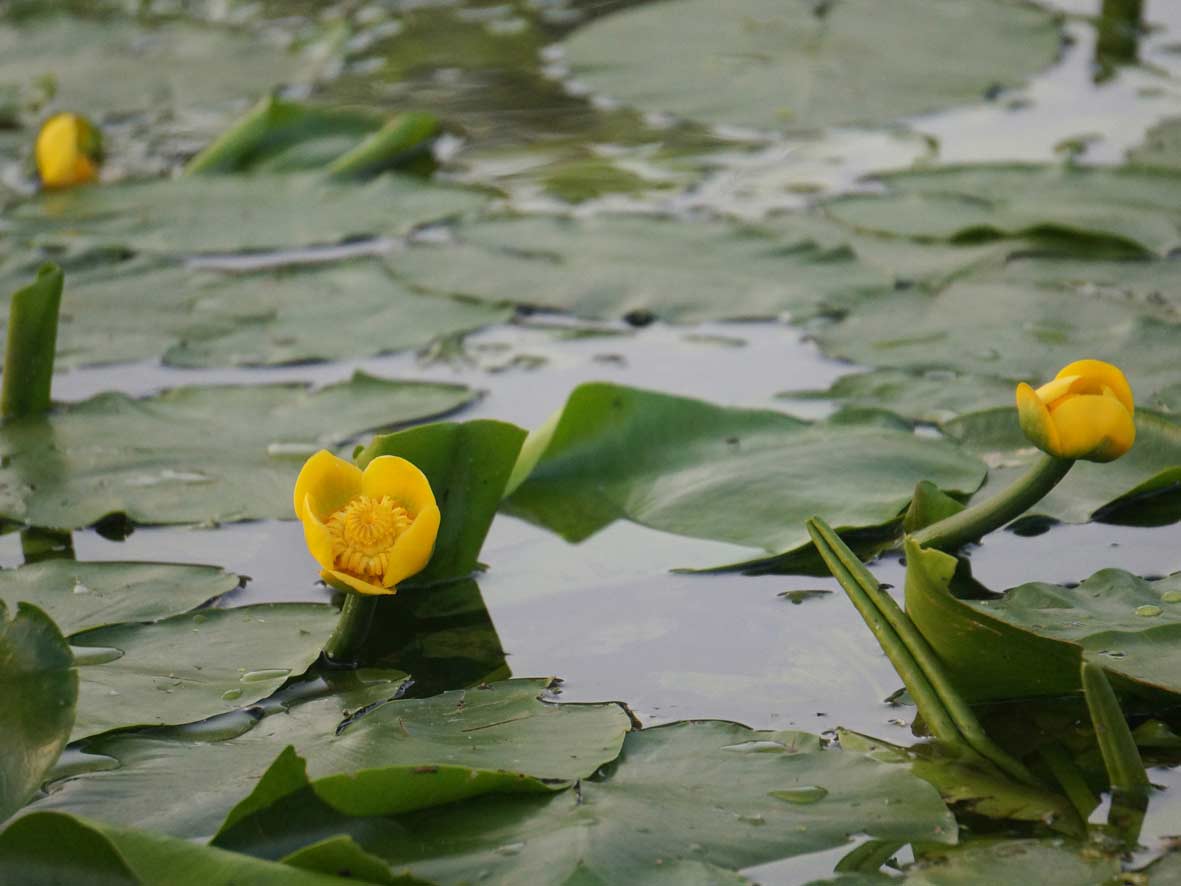
Die Gelbe Teichrose (Nuphar lutea) in der Oker
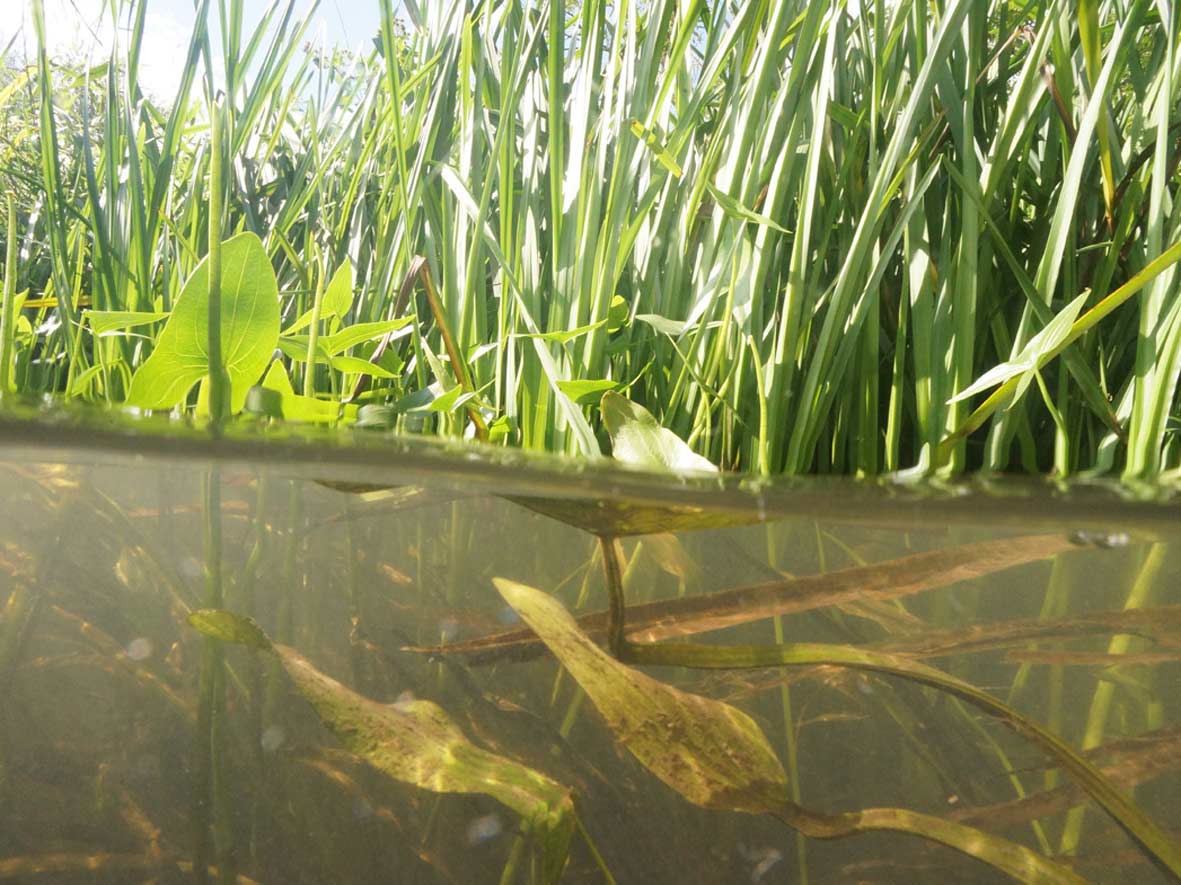
Halb-und-halb-Aufnahme in der Oker
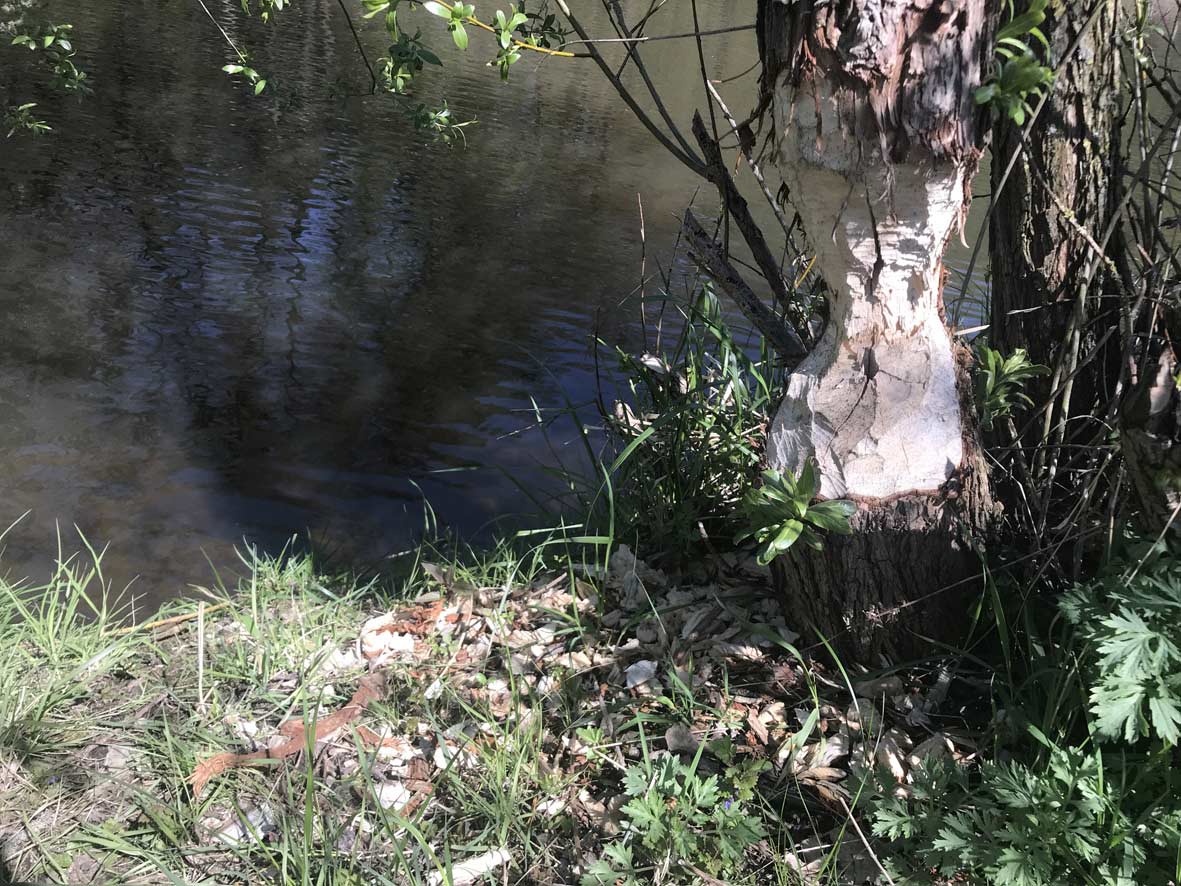
Fraßspur eines Bibers an der Aller
A Glimpse Beneath the Water’s Surface.
Stephan had also brought along—how could it have been otherwise—a small aquarium in which he presented several aquatic organisms that he had collected before with a net. Using a magnifying glass, the participants took a closer look at the microscopic world beneath the water’s surface. Aquatic insects, small crustaceans, and insect larvae not only display fascinating adaptations to their environment, but also form the basis of the food web for many larger organisms, including fish and birds. Many of these small aquatic creatures are also used as bioindicators, providing valuable information about the water quality of a habitat.
For the photographers, this offered an unusual subject matter. Instead of focusing on expansive landscapes, attention suddenly shifted to organisms measuring only a few millimetres in size. The combination of nature observation and photography vividly demonstrated how diverse even the smallest habitats can be.
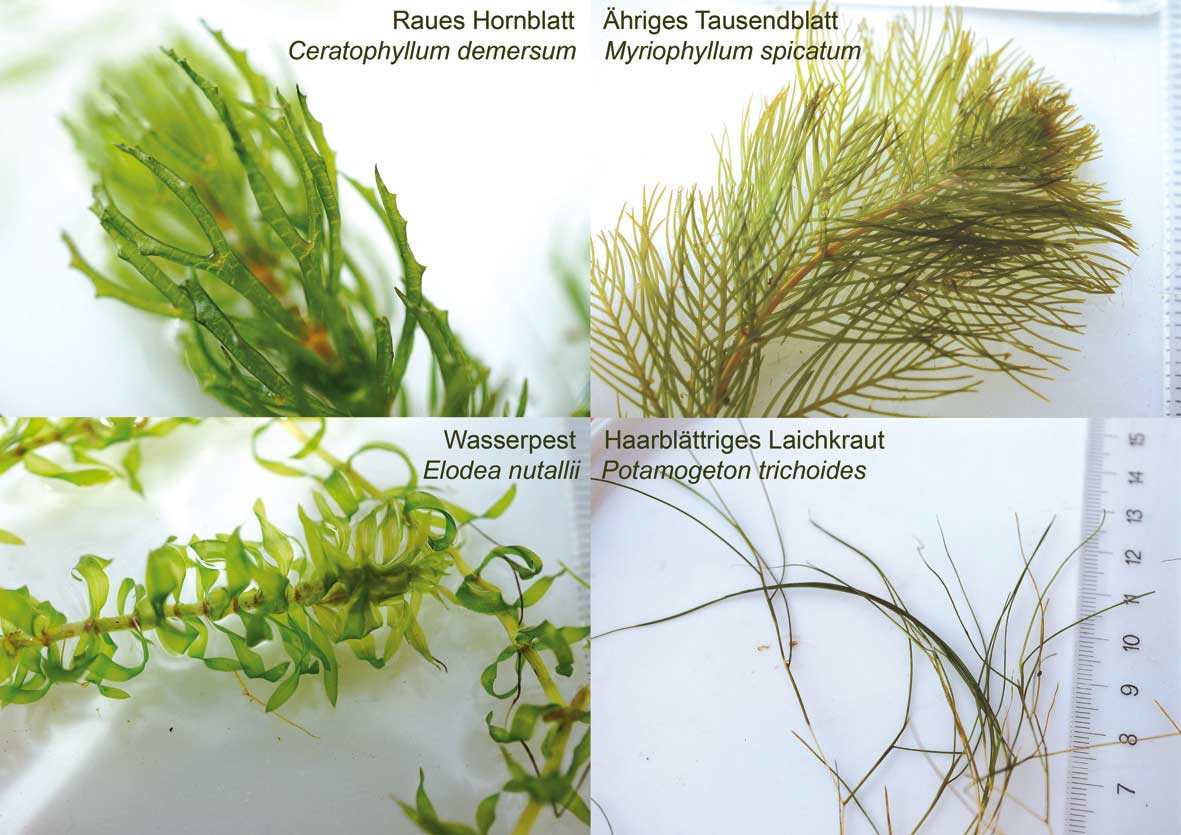
Verschiedene Wasserpflanzen des Süsswassers
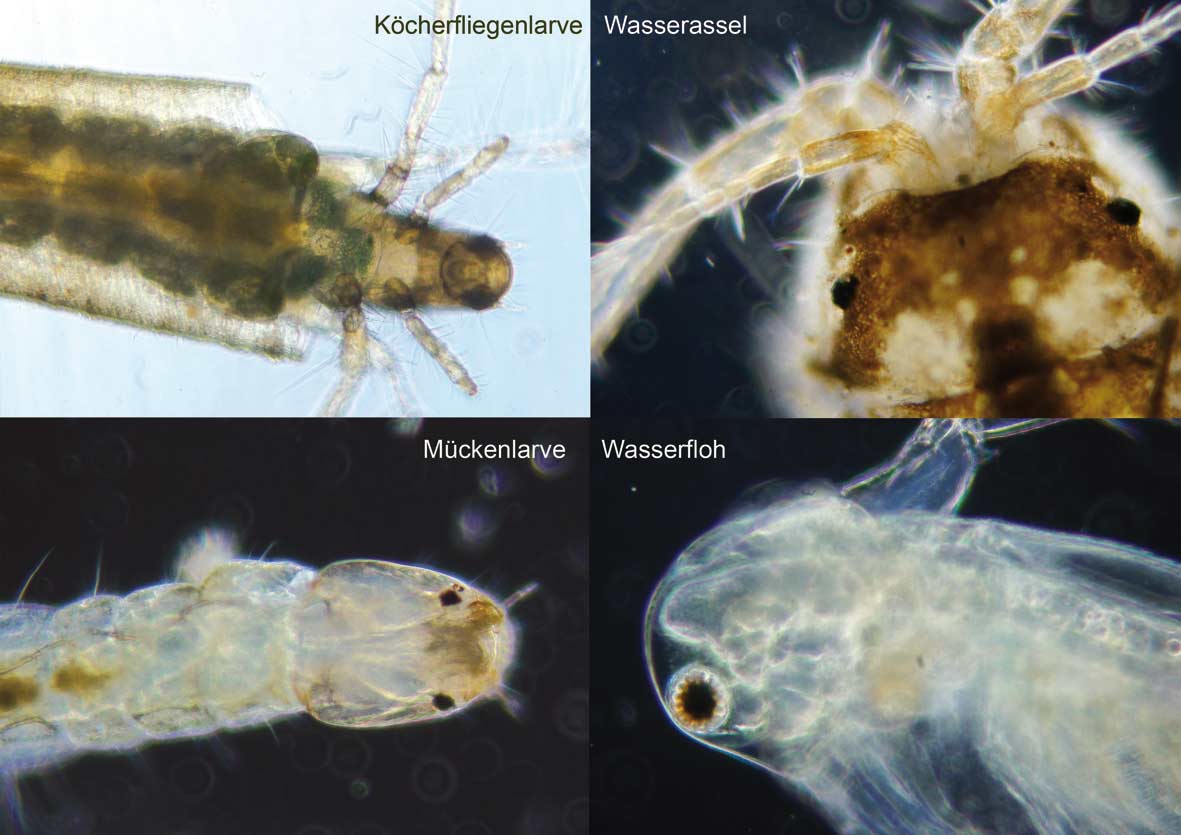
Mikroskopaufnahmen verschiedener Kleinlebewesen
Experiencing Nature: Reflection and Discussion.
At the end, the group gathered once again at the pavilion for a final conclusion. Each participant had developed their own perspective on nature and discovered individual subjects of interest. The group exchanged impressions and organized a sharing of their respective “best three” photographs.
The results provide fascinating insights into the diversity of Lake Ölper and its surrounding habitats.
The excursion clearly demonstrated that nature photography is far more than simply creating beautiful images. It sharpens awareness of ecological relationships, enhances attention to detail, and opens up new perspectives on the nature right on our doorstep. Those who move through the landscape with a camera in a mindful way discover a world that often remains hidden at first glance. Nature photography is a tool for learning more about nature.
Check this out—here are some of the best photos from the participants: